Genres
Artists
Albums
Make Music
Sign in
Sign in
Albums
By Iggy Pop
Albums
By Iggy Pop
Préliminaires
May 25, 2009
Listen
Genres
Blues Rock
Blues rock is a guitar-driven style that fuses the raw feeling and 12‑bar structures of the blues with the power, volume, and rhythmic punch of rock. It emphasizes riff-based songs, pentatonic and blues-scale soloing, call‑and‑response between voice and guitar, and an expressive, often gritty vocal delivery. Typical ensembles are power trios (guitar, bass, drums) or quartet formats adding second guitar, keyboards, or harmonica, and performances commonly feature extended improvisation. Sonically, it favors overdriven tube-amp tones, sustained bends, vibrato, and dynamic contrasts, moving from shuffles and boogies to straight‑eighth rock grooves.
Discover
Listen
Dixieland
Dixieland is one of the earliest forms of jazz, crystallizing in New Orleans in the 1910s and spreading to Chicago and New York in the 1920s. It is characterized by collective improvisation, where the front line—trumpet or cornet carrying the melody, clarinet weaving countermelodies, and trombone providing "tailgate" harmonies and slides—creates a lively polyphonic texture over a buoyant two-beat feel. Its rhythm section often features banjo or piano, tuba or string bass, and drums playing parade-derived press rolls and stop-time figures. Harmonically it draws on functional tonality (I–IV–V with frequent secondary dominants), and structurally it favors 12-bar blues, 16-bar strains from ragtime, and 32-bar AABA song forms. Repertoire includes marches, blues, spirituals, popular songs, and Creole dances, rendered with a brassy, celebratory sound that evokes the New Orleans brass band tradition.
Discover
Listen
Blues
Blues is an African American musical tradition defined by expressive "blue notes," call-and-response phrasing, and a characteristic use of dominant-seventh harmony in cyclical song forms (most famously the 12‑bar blues). It is as much a feeling as a form, conveying sorrow, resilience, humor, and hard-won joy. Musically, blues commonly employs the I–IV–V progression, swung or shuffled rhythms, and the AAB lyric stanza. Melodies lean on the minor/major third ambiguity and the flattened fifth and seventh degrees. Core instruments include voice, guitar (acoustic or electric), harmonica, piano, bass, and drums, with slide guitar, bends, and vocal melismas as signature techniques. Over time the blues has diversified into regional and stylistic currents—Delta and Piedmont country blues, urban Chicago and Texas blues, West Coast jump and boogie-woogie—while profoundly shaping jazz, rhythm & blues, rock and roll, soul, funk, and much of modern popular music.
Discover
Listen
Similar albums
Hide discovered
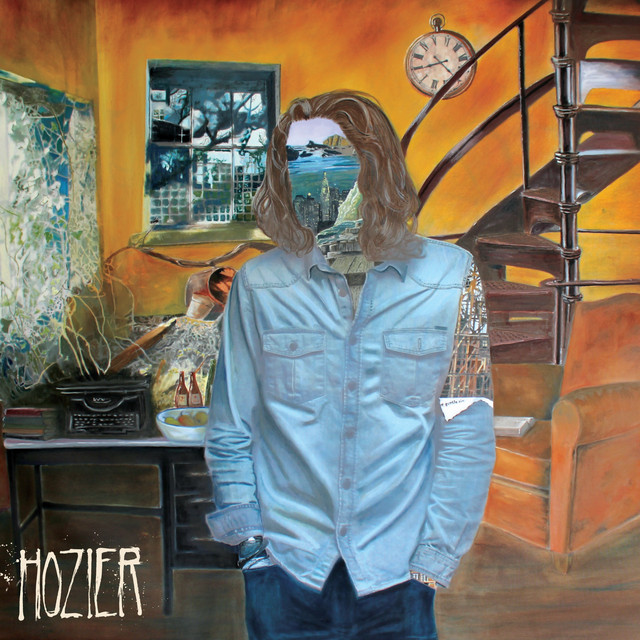
2014
Hozier
Hozier
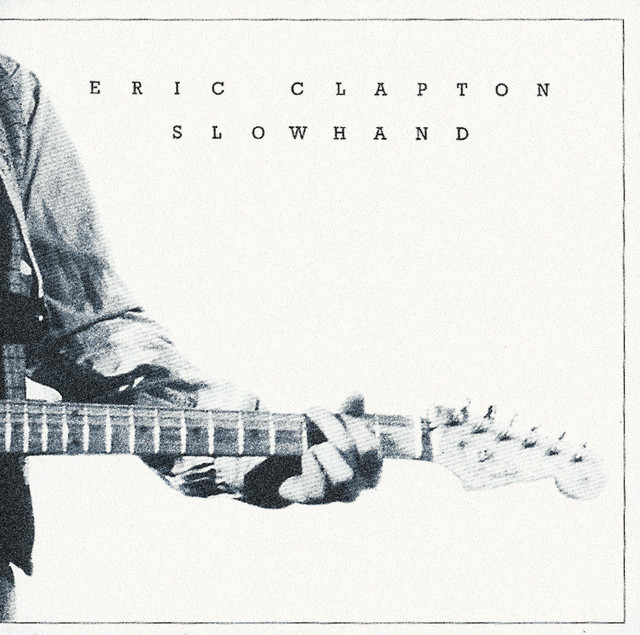
1977
Slowhand 35th Anniversary
Eric Clapton
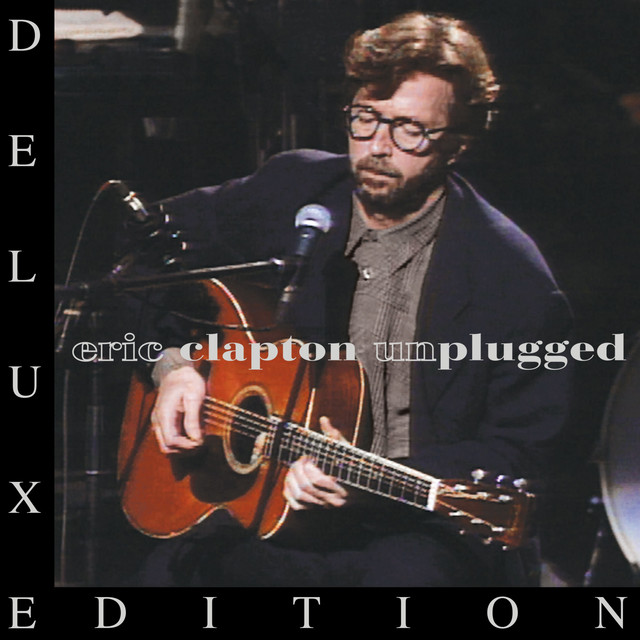
1992
Unplugged (Deluxe Edition) (Live)
Eric Clapton
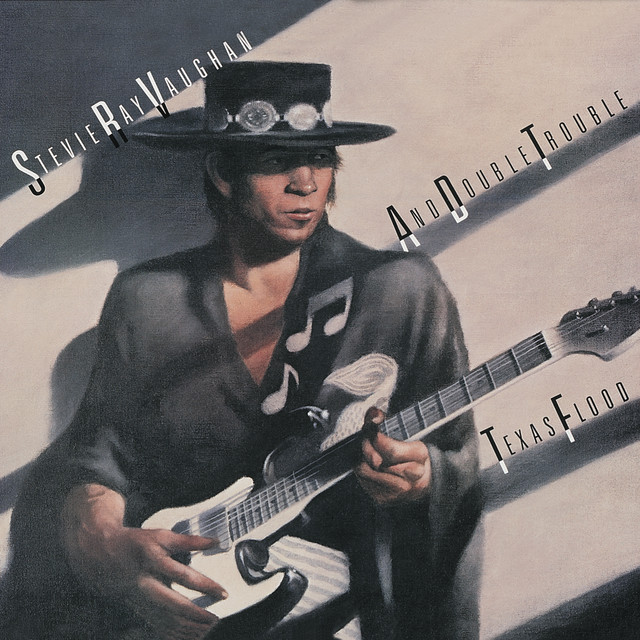
1983
Texas Flood
Stevie Ray Vaughan and Double Trouble
1972
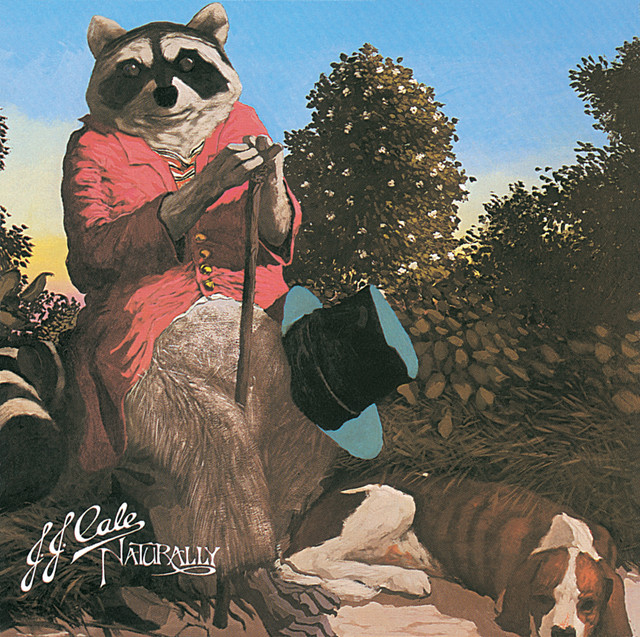
Naturally
J.J. Cale
1980
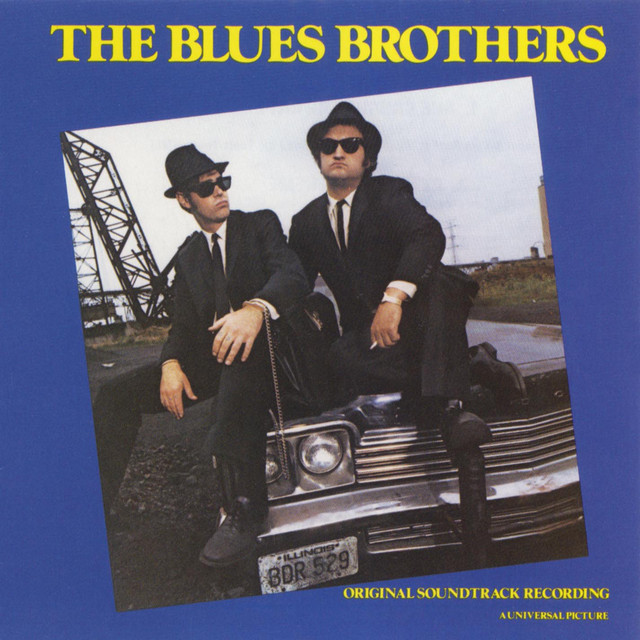
The Blues Brothers Original Motion Picture Soundtrack
The Blues Brothers
1990
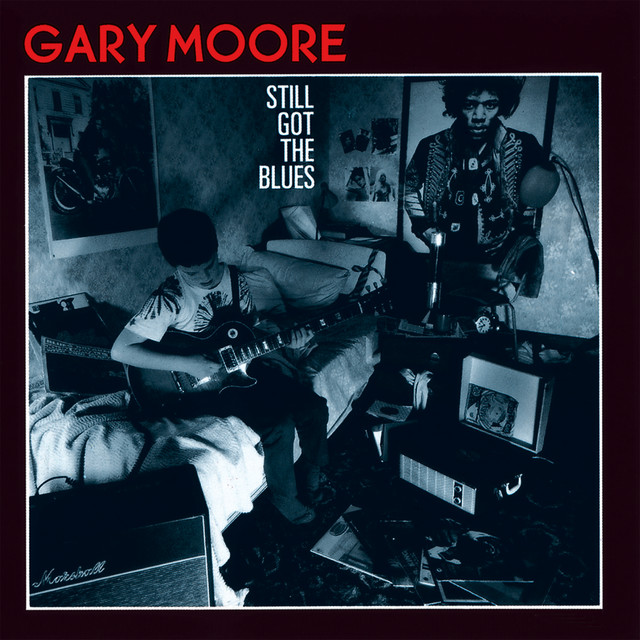
Still Got The Blues
Gary Moore
2020
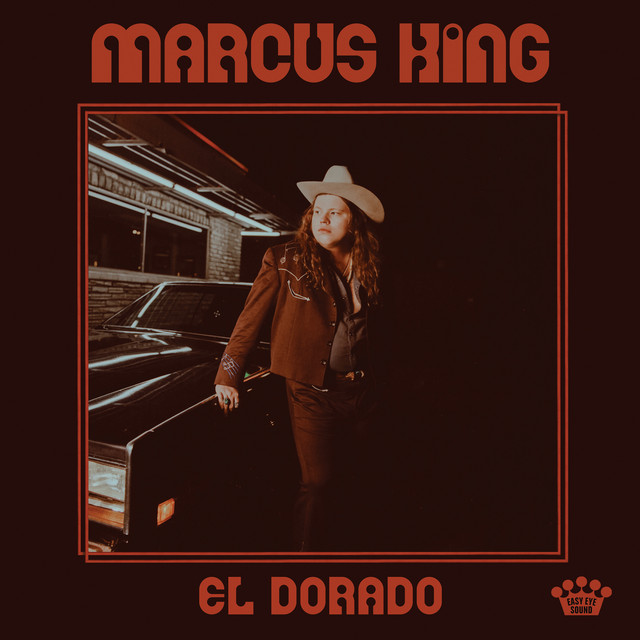
El Dorado
Marcus King
1984
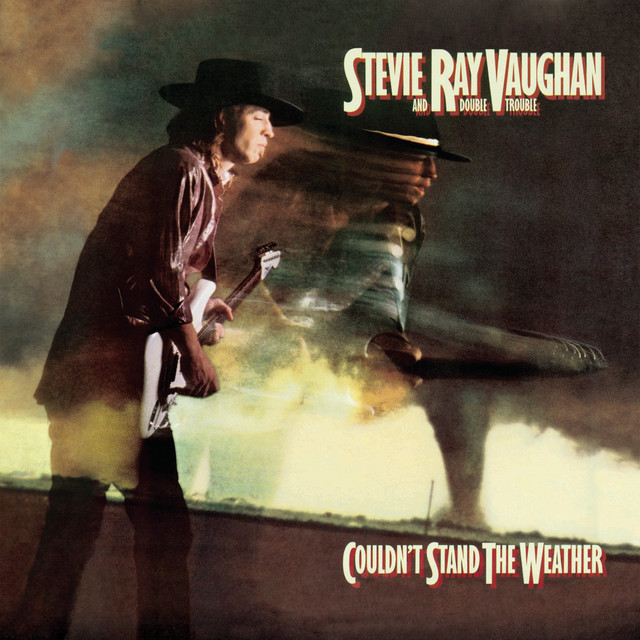
Couldn't Stand The Weather (Legacy Edition)
Stevie Ray Vaughan
1969
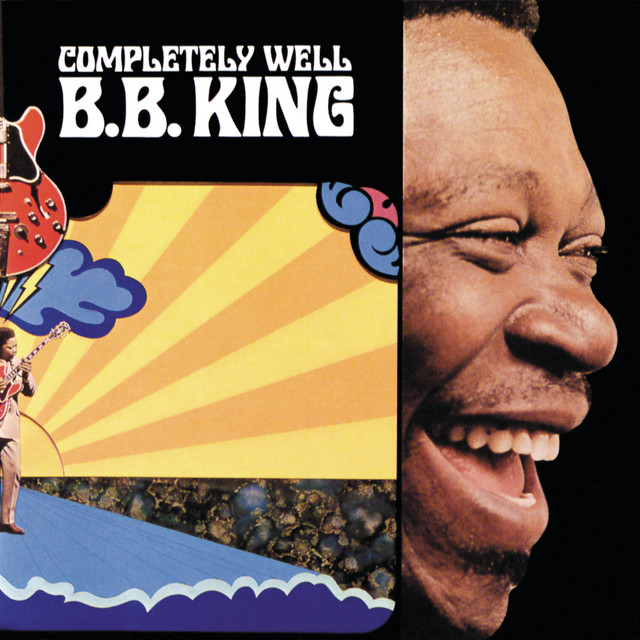
Completely Well
B.B. King
Download our mobile app
Get the Melodigging app and start digging for new genres on the go
Download on the App Store
Get it on Google Play
© 2026 Melodigging
Give feedback
About & FAQ
Legal
Melodding was created as a tribute to
Every Noise at Once
, which inspired us to help curious minds keep digging into music's ever-evolving genres.