Genres
Make Music
Artists
Albums
Challenges
Sign in
Sign in
Albums
By Fausto
Albums
By Fausto
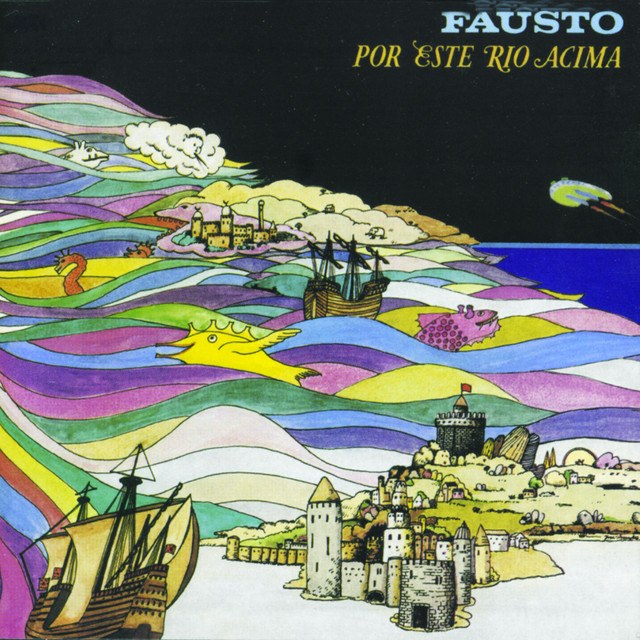
Por este rio acima
April 27, 1984
Listen
2
/5
Genres
Progressive Folk
Progressive folk is a strand of folk music that adopts the exploratory spirit, extended forms, and harmonic richness of progressive rock and jazz while remaining rooted in traditional songcraft and acoustic timbres. It favors modal melodies, intricate fingerpicking, and unusual time signatures, often weaving together British and Celtic folk idioms with classical and jazz-informed arrangements. Compared with straight folk or folk rock, progressive folk is more ambitious in structure: suites, long-form ballads, and thematic albums are common. Lyrically it ranges from pastoral and mythical to philosophical and introspective, and it frequently experiments with instrumentation (e.g., dulcimer, sitar, harp, early music winds) and layered vocal counterpoint. The result is music that feels both ancient and modern—earthy yet expansive.
Discover
Listen
Música De Intervenção
Música de intervenção is the Portuguese tradition of explicitly political and socially engaged song that flourished under the Estado Novo dictatorship and around the Carnation Revolution of 1974. Blending the intimacy of the singer‑songwriter with Portuguese folk and fado inflections, its lyrics prioritize clear messaging, allegory, and collective memory. Melodies tend to be direct and singable, often strophic and supported by acoustic guitar, small ensembles, or choral textures to encourage audience participation. The genre’s purpose is not only aesthetic but civic: to denounce oppression, narrate working‑class realities, and mobilize solidarity.
Discover
Listen
Folk
Folk is a song-centered acoustic tradition rooted in community storytelling, everyday life, and social history. It emphasizes clear melodies, simple harmonies, and lyrics that foreground narrative, protest, and personal testimony. As a modern recorded genre, folk coalesced in the early-to-mid 20th century in the United States out of older ballad, work song, and rural dance traditions. It typically features acoustic instruments (guitar, banjo, fiddle, mandolin, harmonica), strophic song forms, and participatory singing (choruses, call-and-response).
Discover
Listen
Portuguese Folk Music
Portuguese folk music is the umbrella term for Portugal’s regional traditional musics and dances, encompassing vocal and instrumental practices tied to social life, work, and ritual. It includes lively circle and couple dances such as the Vira and Chula of Minho, the Corridinho of the Algarve, the Fandango of Ribatejo, the Bailinho of Madeira, and the Chamarrita of the Azores, alongside slower strophic songs (modas) and the powerful choral Cante Alentejano from the south. Typical instruments include the gaita-de-fole (bagpipes), adufe (square frame drum), concertina and diatonic accordion, cavaquinho and regional violas (viola braguesa, toeira, amarantina), rabeca chuleira (fiddle), bombo (bass drum), and ferrinhos (triangle). Vocals often employ call-and-response, heterophony, and close parallel harmonies in Portuguese and, in some regions, Mirandese. The style is communal and dance-oriented, performed at romarias (religious festivals), village gatherings, and seasonal celebrations. Melodies are diatonic and modal (often mixolydian or dorian), with simple harmonic supports when harmonized, and strong rhythmic patterns suited to participatory dancing.
Discover
Listen
European Folk Music
European folk music is an umbrella term for the traditional, community-based music practices of Europe, spanning ballads, dance tunes, ritual songs, and work songs passed down largely through oral transmission. It emphasizes local languages, modal melodies, and characteristic rhythms linked to social dances and seasonal customs. While many of its musical roots are older, the idea of “folk” as a category coalesced in the 19th century alongside nation-building, when collectors and scholars documented village repertoires and instruments. Today, European folk music encompasses both preserved regional traditions and living, evolving practices that continue to inform contemporary genres.
Discover
Listen
Iberian Music
Iberian music is an umbrella term for the intertwined musical traditions of Spain and Portugal, shaped over centuries by Mediterranean, North African, and European currents. It spans sacred chant and courtly song, rural dance traditions, fado and flamenco, art music inspired by folk idioms, and contemporary fusions. At its core are distinctive rhythmic cycles (such as flamenco compás), modal colors (notably the Phrygian cadence and Hijaz-like inflections), and poetic themes ranging from duende’s raw intensity to fado’s saudade. Guitars (Spanish and Portuguese), clapping (palmas), cajón, castanets, and regional instruments (gaita galega, bandurria, Portuguese guitarra) are central timbral markers. As a cultural matrix rather than a single style, Iberian music both preserves local identities—Andalusian, Galician, Catalan, Alentejano—and continually reinvents itself in dialogue with classical composition, jazz, rock, and electronic music.
Discover
Listen
Portuguese Music
Portuguese music is the broad musical tradition of Portugal, spanning medieval courtly song, liturgical polyphony, regional folk styles, urban song (most famously fado), and a modern landscape of pop, rock, jazz, hip hop, and experimental scenes. At its core is the aesthetic of saudade—a bittersweet sense of longing—that shapes the melodic phrasing and lyrical themes of many Portuguese styles. Hallmark timbres include the bright, shimmering guitarra portuguesa (12‑string Portuguese guitar), classical/folk guitars (viola), cavaquinho, accordion, adufe frame drum, and regional bagpipes (gaita transmontana). Portuguese music also reflects centuries of exchange across the Lusophone world, especially with Brazil, Cape Verde, and other former colonies, enriching local idioms with rhythmic and harmonic colors from Africa and the Americas.
Discover
Listen
Similar albums
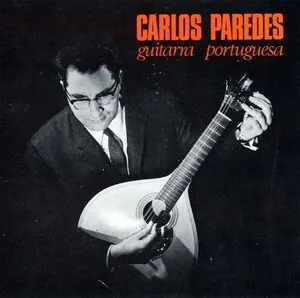
1967
Guitarra portuguesa
Carlos Paredes
1997
O paraíso
Madredeus
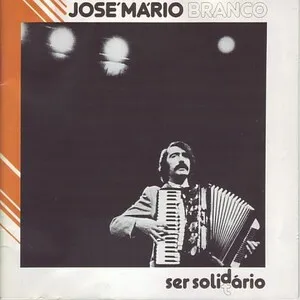
1996
Ser solidário
José Mário Branco
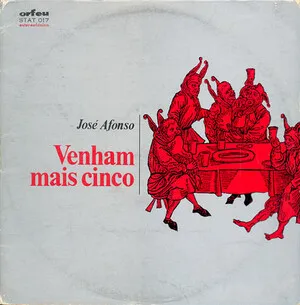
1973
Venham mais cinco
José Afonso
1970
Traz outro amigo também
José Afonso
1968
Cantares do andarilho
José Afonso
1990
Existir
Madredeus
1971
Cantigas do Maio
José Afonso
1976
Com as minhas tamanquinhas
José Afonso
1972
Eu vou ser como a toupeira
José Afonso
Download our mobile app
Get the Melodigging app and start digging for new genres on the go
Download on the App Store
Get it on Google Play
© 2026 Melodigging
Give feedback
Legal
Melodding was created as a tribute to
Every Noise at Once
, which inspired us to help curious minds keep digging into music's ever-evolving genres.