Genres
Artists
Albums
Make Music
Sign in
Sign in
Albums
By Carlinhos Brown
Albums
By Carlinhos Brown
Pop Xirê
February 16, 2023
Listen
Genres
Axé
Axé is a high-energy popular music from Salvador, Bahia, that fuses Afro-Brazilian and Caribbean rhythms with pop and rock songcraft. Designed for massive Carnival parades, it pairs large percussion ensembles with bright electric guitars, brass hooks, and call-and-response vocals to drive dancing crowds along the trio elétrico (truck-mounted sound stages). Grounded in afoxê/ijexá and samba-reggae grooves, axé favors upbeat major-key melodies, anthemic choruses, and lyrics celebrating joy, love, summer, Afro-Bahian pride, and the collective ecstasy of the street party. Its sound is at once percussive and melodic: layered surdos, timbales, repiniques, and atabaques interlock beneath catchy horn lines and pop arrangements built to move tens of thousands of revelers.
Discover
Listen
Samba-Reggae
Samba-reggae is a Bahian Afro-Brazilian percussion-driven style that fuses the propulsive swing of samba with the off-beat lilt of Jamaican reggae. It is performed by large drum ensembles (blocos afro) whose surdos, caixas, repiniques, timbals, and shakers create a massive, syncopated groove. Typically slower than Rio-style samba and aligned to a reggae backbeat, samba-reggae emphasizes collective energy, call-and-response vocals, and choreography. Its sound became a musical emblem of Salvador’s carnival and a vehicle for Black pride, spirituality, and social commentary, later crossing into pop through collaborations with major international artists.
Discover
Listen
Candomblé Music
Candomblé music is the sacred musical practice of the Afro-Brazilian religion Candomblé. It centers on polyrhythmic drumming ensembles, call-and-response singing, and dance that invites the presence (incorporation) of the orixás (divinities). The core ensemble features three hand-played atabaque drums (rum, rumpi, and lê), metal bells (agogô), and rattles/shakers (xequerê, adjá), with the lead drummer (alabê) cueing changes in rhythm and energy. Stylistically, it preserves multiple West and Central African lineages—especially Yoruba (Ketu/Nagô), Fon/Ewe (Jeje), and Kongo/Angola—expressed in distinct toques (rhythmic patterns) such as ijexá, alujá, agueré, congo, and opanijé. Chants are performed in liturgical languages (predominantly Yoruba/Nagô, as well as Kikongo/Kimbundu and Fon) and in Portuguese, using a responsorial texture led by a solo cantor with a unison chorus. The music is not entertainment but ritual: every rhythm, melody, and text is tied to specific orixás, colors, dances, and ceremonial moments. Beyond the terreiro (temple), Candomblé’s musical vocabulary has profoundly shaped Brazilian popular music, from afoxé and samba de roda to axé and MPB, especially through the diffusion of the ijexá timeline and call-and-response vocal aesthetics.
Discover
Listen
Similar albums
Hide discovered
2001
Bahia do mundo: mito e verdade
Carlinhos Brown
2010
Adobró
Carlinhos Brown
2019
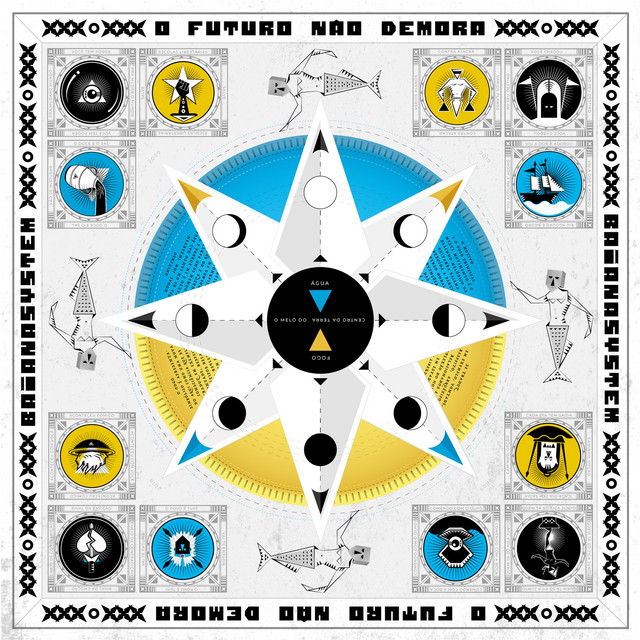
O Futuro Não Demora
BaianaSystem
1996
Feijão com arroz
Daniela Mercury
1992
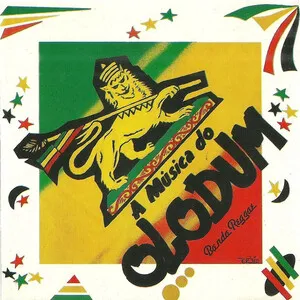
A música do Olodum
Olodum
1992
O canto da cidade
Daniela Mercury
2024
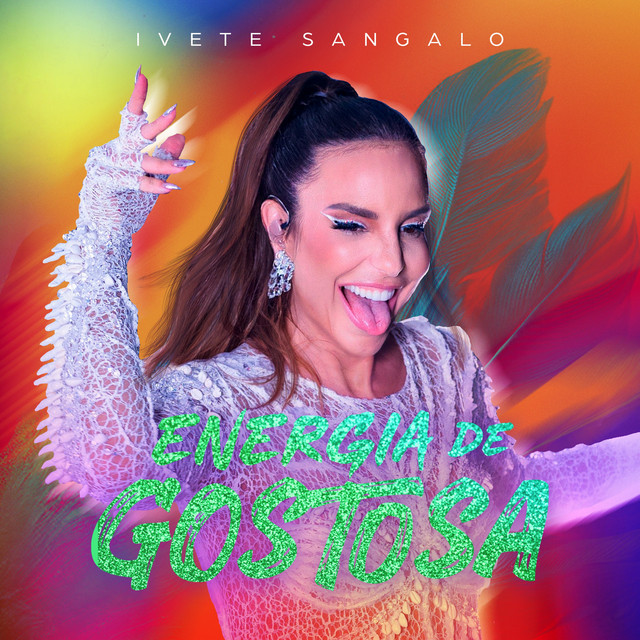
Energia de Gostosa
Ivete Sangalo
2026
Vampirinha (Ao Vivo)
Ivete Sangalo
1994
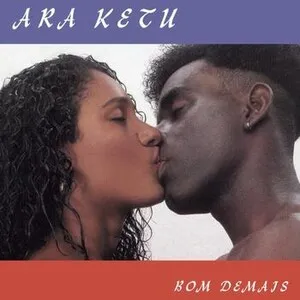
Bom Demais
Ara Ketu
2020
O Mundo Vai
Ivete Sangalo
Download our mobile app
Get the Melodigging app and start digging for new genres on the go
Download on the App Store
Get it on Google Play
© 2026 Melodigging
Give feedback
About & FAQ
Legal
Melodding was created as a tribute to
Every Noise at Once
, which inspired us to help curious minds keep digging into music's ever-evolving genres.