Genres
Make Music
Artists
Albums
Challenges
Sign in
Sign in
Albums
By Ingurgitating Oblivion
Albums
By Ingurgitating Oblivion
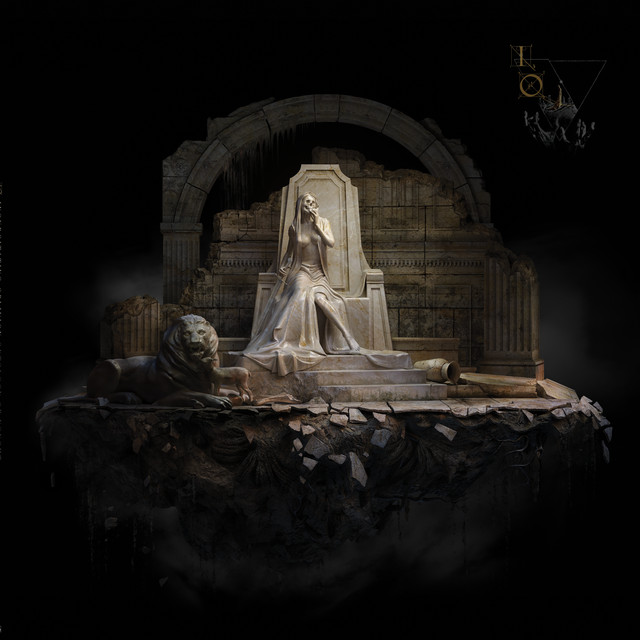
Ontology of Nought
September 27, 2024
Listen
1
/5
Genres
Dissonant Death Metal
Dissonant death metal is a branch of death metal that foregrounds atonality, angular riffing, and tense, unstable harmonies. Instead of traditional power‑chord grooves or neoclassical lead work, it relies on clusters, tritones, seconds, and chromatic voice‑leading to create a nauseating, labyrinthine atmosphere. Rhythmically, the style favors jagged phrasing, polymeters, and sudden tempo shifts, while vocals remain predominantly deep growls that enhance the sense of dread. Production often balances clarity and claustrophobia: drums are articulate yet cavernous, and guitars are dense but deliberately abrasive. The aesthetic draws from modern classical dissonance as much as from early 1990s death metal, channeling existential unease and surreal or cosmic horror rather than gore alone.
Discover
Listen
Death Metal
Death metal is an extreme subgenre of heavy metal defined by heavily distorted, low‑tuned guitars, rapid and complex riffing, blast beat drumming, and harsh guttural vocals. Its harmonic language favors chromaticism, dissonance, and tremolo-picked lines that create an ominous, abrasive atmosphere. Lyrically, death metal often explores dark or transgressive themes—mortality, mythology, anti-religion, psychological horror, and the macabre—sometimes with philosophical or social commentary. Production ranges from raw and cavernous to hyper-precise and technical, reflecting the genre’s many regional scenes and substyles. From the mid‑1980s Florida scene (Tampa) and parallel developments in the US, UK, and Sweden, death metal evolved into numerous branches including brutal death metal, technical death metal, melodic death metal, and death‑doom, each emphasizing different aspects of speed, complexity, melody, or heaviness.
Discover
Listen
Progressive Metal
Progressive metal blends the ambition and extended song forms of progressive rock with the heaviness, timbre, and energy of heavy metal. It is characterized by complex arrangements, frequent time‑signature changes, virtuosic instrumental passages, thematic or concept‑driven albums, and a wide dynamic range from delicate, atmospheric sections to aggressive, high‑gain climaxes. Harmonically it draws on modal interchange, chromatic voice‑leading, and jazz‑fusion colors, while rhythmically it favors polymeters, polyrhythms, and metric modulation. Keyboards and layered production often add orchestral or cinematic scope.
Discover
Listen
Metal
Metal (often used to mean heavy metal in its broad, umbrella sense) is a loud, guitar-driven style of rock defined by high-gain distortion, emphatic and often martial rhythms, and a dense, powerful low end. It foregrounds riff-based songwriting, dramatic dynamics, virtuosic guitar solos, and commanding vocals that range from melodic wails to aggressive snarls and growls. Harmonically, metal favors minor modes, modal color (Aeolian, Phrygian), chromaticism, and tritone-inflected tension, while thematically it explores power, mythology, the occult, social critique, fantasy, and existential subjects. While adjacent to hard rock, metal typically pushes amplification, distortion, precision, and thematic intensity further, forming a foundation for many specialized subgenres.
Discover
Listen
Similar albums
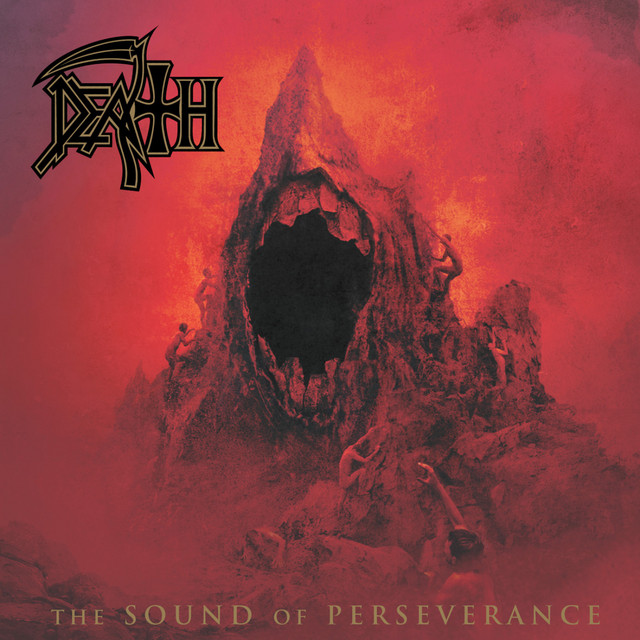
1998
The Sound of Perseverance
Death
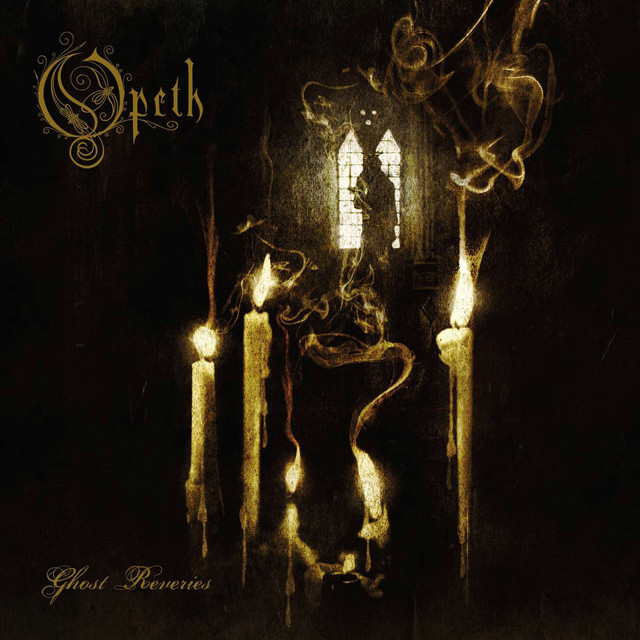
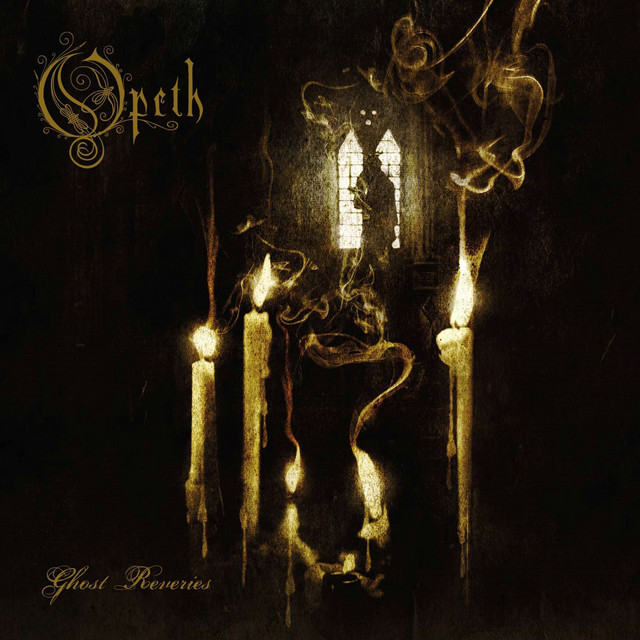
2005
Ghost Reveries
Opeth
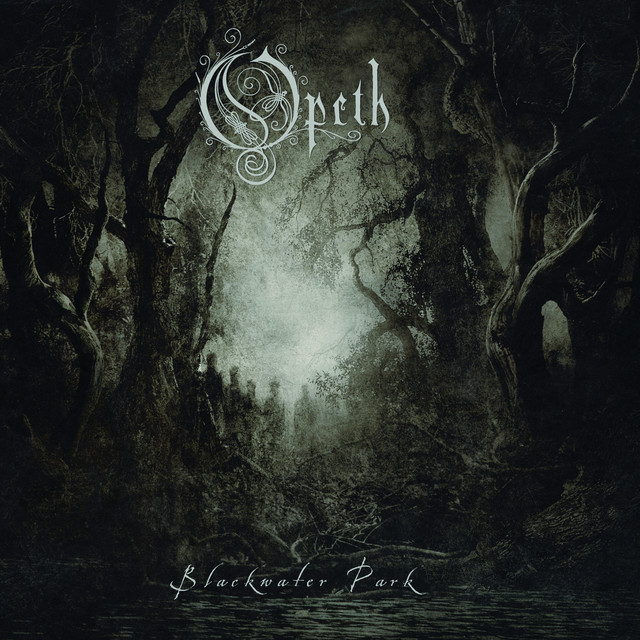
2001
Blackwater Park
Opeth
2008
Watershed (Special Edition)
Opeth
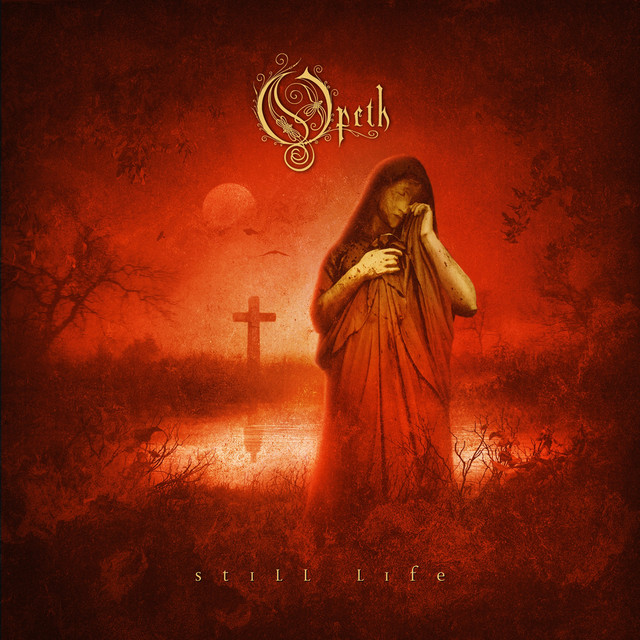
1999
Still Life
Opeth
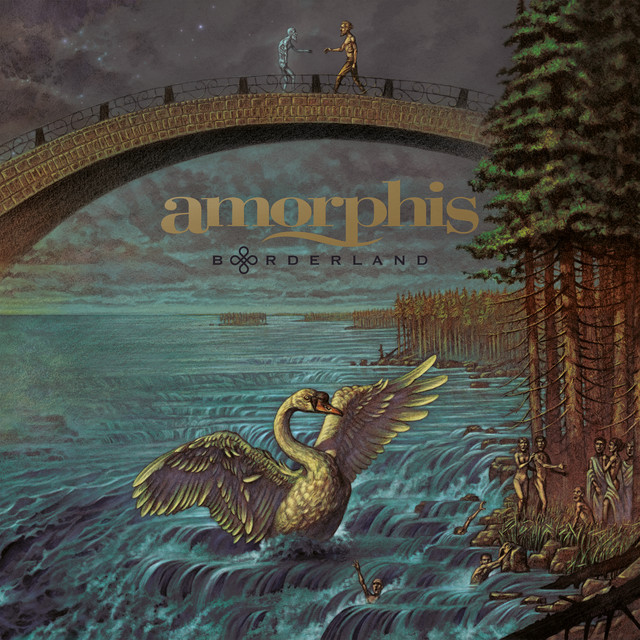
2025
Borderland
Amorphis
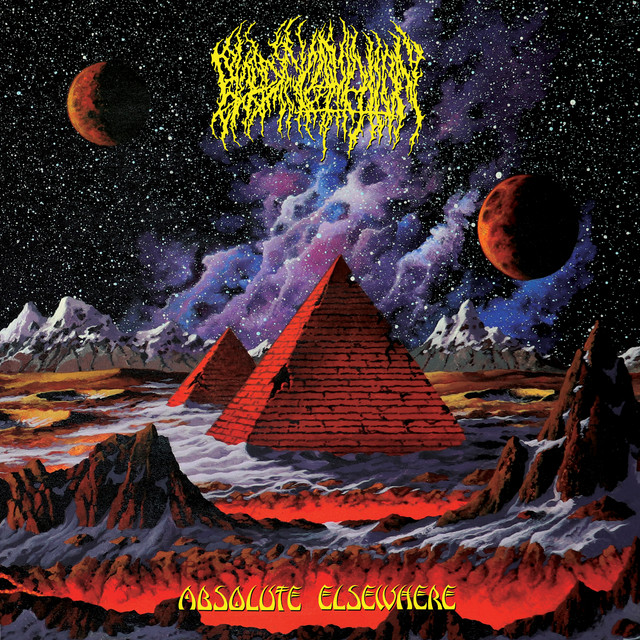
2024
Absolute Elsewhere
Blood Incantation
1991
Human
Death
2007
Soldier of Fortune
Opeth
1993
Individual Thought Patterns
Death
Download our mobile app
Get the Melodigging app and start digging for new genres on the go
Download on the App Store
Get it on Google Play
© 2026 Melodigging
Give feedback
Legal
Melodding was created as a tribute to
Every Noise at Once
, which inspired us to help curious minds keep digging into music's ever-evolving genres.