Genres
Make Music
Artists
Albums
Challenges
Sign in
Sign in
Albums
By Dante Ramon Ledesma
Albums
By Dante Ramon Ledesma
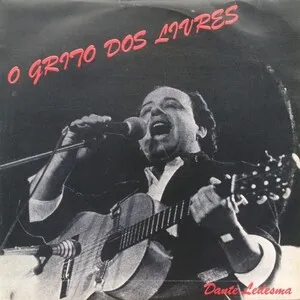
O grito dos livres
May 6, 2017
Listen
1
/5
Genres
Música Gaúcha
Música gaúcha is the traditional and popular music associated with the gaúcho culture of Rio Grande do Sul, in southern Brazil. It draws on the shared Pampa heritage with neighboring Argentina and Uruguay, blending dance rhythms such as vaneira/vanerão, xote (schottische), milonga, chamamé, bugio, and fandango. The style foregrounds accordion (gaita-ponto/accordion) and guitar, with simple, dance-led harmonies and strong, memorable melodies. Lyrics celebrate rural life, horseback culture, chimarrão (mate), the open plains, regional identity, and nostalgia for the campo, often using local vocabulary and occasional Spanishisms. While rooted in folk tradition, música gaúcha has developed a vigorous professional scene with dance bands, festival circuits, and virtuoso instrumentalists, making it both a living heritage and a contemporary, dance-floor-ready genre.
Discover
Listen
Southern Brazilian Music
Southern Brazilian music is an umbrella for the folk and dance traditions from Brazil’s southern states (Rio Grande do Sul, Santa Catarina, and Paraná), especially the gaúcho/nativista repertoire found in bailes and CTGs (Centros de Tradições Gaúchas). It blends borderland idioms such as milonga, chamamé, vaneira/vanerão, xote, rancheira, bugio, and chamarrita with European immigrant dances (polka, schottische) and the Hispanic-Rioplatense lineage (tango/milonga, payada), typically led by accordion (gaita-ponto) and guitar. Characterized by strong dance grooves in 2/4, catchy accordion melodies, and lyrics celebrating the pampas, horse culture, and everyday rural life, it ranges from reflective ballads (milonga) to energetic dance numbers (vanerão and vaneira) performed by conjuntos de baile and festival acts.
Discover
Listen
Milonga
Milonga is a Río de la Plata song genre that took shape in the late 19th century among gaucho singers (payadores) in Argentina and Uruguay, with a parallel presence in Brazil’s southern state of Rio Grande do Sul. It is widely regarded as a direct precursor to tango. Characterized by a generally slow, loping rhythm in duple meter (2/4 or 4/4), milonga is most often performed with voice and a single criolla (nylon‑string) guitar using bass‑line “bordoneo,” light syncopation, and habanera‑like cells. Texts typically use décima (espinela) stanzas and reflect rural life, love, solitude, and the vastness of the pampas. Note: Here “milonga” refers to the song/folk style (often called milonga campera), not the later, faster urban dance form of tango known as “milonga.”
Discover
Listen
Similar albums
2010
Délibáb
Vitor Ramil
1997
Ramilonga: A estética do frio
Vitor Ramil
2001
Meu Rio Grande é deste jeito
Baitaca
2018
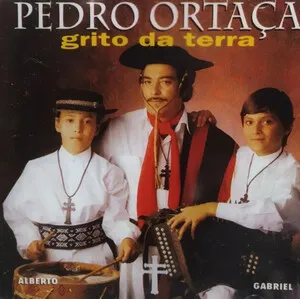
Grito da Terra
Pedro Ortaça
2010
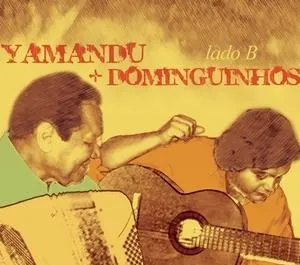
Lado B - Yamandu + Dominguinhos
Yamandu Costa & Dominguinhos
2017
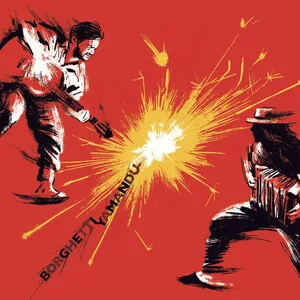
Borghetti Yamandu
Renato Borghetti & Yamandu Costa
1994
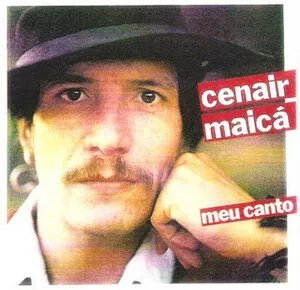
Meu canto
Cenair Maicá
2017
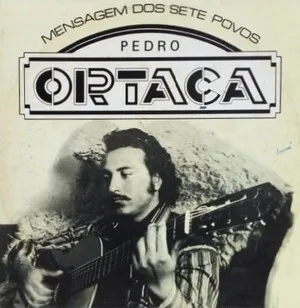
Mensagem dos Sete Povos
Pedro Ortaça
1995
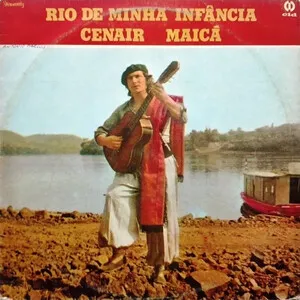
Rio de minha infância
Cenair Maicá
1979
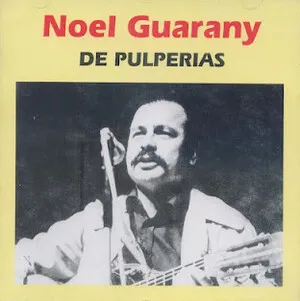
De Pulperias
Noel Guarany
Download our mobile app
Get the Melodigging app and start digging for new genres on the go
Download on the App Store
Get it on Google Play
© 2026 Melodigging
Give feedback
Legal
Melodding was created as a tribute to
Every Noise at Once
, which inspired us to help curious minds keep digging into music's ever-evolving genres.