Genres
Make Music
Artists
Albums
Challenges
Sign in
Sign in
Albums
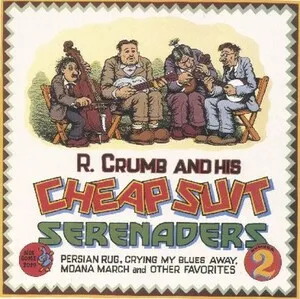
By R. Crumb And His Cheap Suit Serenaders
Albums
By R. Crumb And His Cheap Suit Serenaders
Number Two
June 20, 2005
Listen
1
/5
Genres
Jazz
Jazz is an improvisation-centered music tradition that emerged from African American communities in the early 20th century. It blends blues feeling, ragtime syncopation, European harmonic practice, and brass band instrumentation into a flexible, conversational art. Defining features include swing rhythm (a triplet-based pulse), call-and-response phrasing, blue notes, and extended harmonies built on 7ths, 9ths, 11ths, and 13ths. Jazz is as much a way of making music—spontaneous interaction, variation, and personal sound—as it is a set of forms and tunes. Across its history, jazz has continually hybridized, from New Orleans ensembles and big-band swing to bebop, cool and hard bop, modal and free jazz, fusion, and contemporary cross-genre experiments. Its influence permeates global popular and art music.
Discover
Listen
Blues
Blues is an African American musical tradition defined by expressive "blue notes," call-and-response phrasing, and a characteristic use of dominant-seventh harmony in cyclical song forms (most famously the 12‑bar blues). It is as much a feeling as a form, conveying sorrow, resilience, humor, and hard-won joy. Musically, blues commonly employs the I–IV–V progression, swung or shuffled rhythms, and the AAB lyric stanza. Melodies lean on the minor/major third ambiguity and the flattened fifth and seventh degrees. Core instruments include voice, guitar (acoustic or electric), harmonica, piano, bass, and drums, with slide guitar, bends, and vocal melismas as signature techniques. Over time the blues has diversified into regional and stylistic currents—Delta and Piedmont country blues, urban Chicago and Texas blues, West Coast jump and boogie-woogie—while profoundly shaping jazz, rhythm & blues, rock and roll, soul, funk, and much of modern popular music.
Discover
Listen
Ragtime
Ragtime is an African American–rooted piano style that flourished from the 1890s to the 1910s, characterized by lively syncopation in the right hand against a steady, march-like “oom‑pah” accompaniment in the left hand. Typically written in 2/4 or 4/4 time and notated with straight (unswung) eighth notes, classic rags unfold in multiple 16‑bar strains, often in the form AABBACCDD. The music draws on cakewalk rhythms, marching-band forms, and popular song, and it became a sensation through sheet music, piano rolls, and parlor performance. Scott Joplin, known as the “King of Ragtime,” helped codify the genre’s refined, compositional approach, calling for moderate tempos and a clear, singing melody. Beyond solo piano, ragtime was arranged for small ensembles and orchestras, found a home in vaudeville and dance halls, and laid essential groundwork for early jazz, stride piano, and much of 20th‑century American popular music.
Discover
Listen
Old-Time
Old-time is a North American string-band tradition rooted in the rural South and Appalachia, where fiddles and banjos lead dance tunes, ballads, and breakdowns. It emphasizes a steady, trance-like groove for social dancing, ensemble playing over solos, and strong melodic riffs supported by drones and rhythmic ostinati. The sound blends British Isles balladry and fiddle repertory with African American banjo technique and rhythmic sensibilities. Tunes are commonly modal (Dorian, Mixolydian, Aeolian), arranged in two repeated strains (AABB), and played for extended durations to serve square and contra dancing. Vocals, when present, are often old ballads or topical songs delivered with a plain, direct style.
Discover
Listen
Appalachian Folk
Appalachian folk is a traditional music of the Appalachian Mountains in the eastern United States, shaped by Scots-Irish and English balladry, African American musical practices (especially the banjo and work songs), and sacred singing traditions. It centers on narrative ballads, dance tunes (reels, breakdowns, waltzes), and hymns, typically performed with fiddle, clawhammer banjo, voice, guitar, Appalachian dulcimer, and sometimes autoharp or mandolin. Melodies often use modal scales (Dorian, Mixolydian, Aeolian) and pentatonic figures, with strong rhythmic drive for square dances and flatfooting, as well as unaccompanied or sparsely accompanied ballads. The style is both communal and intimate—suitable for porches, kitchen gatherings, church singings, and dance halls—and it has been a major foundation for later American roots genres like old-time, bluegrass, country, and Americana.
Discover
Listen
Similar albums
2013
Pokey LaFarge
Pokey LaFarge
2016
The Randy Newman Songbook Vol. 3
Randy Newman
2010
Riverboat Soul
Pokey LaFarge and the South City Three
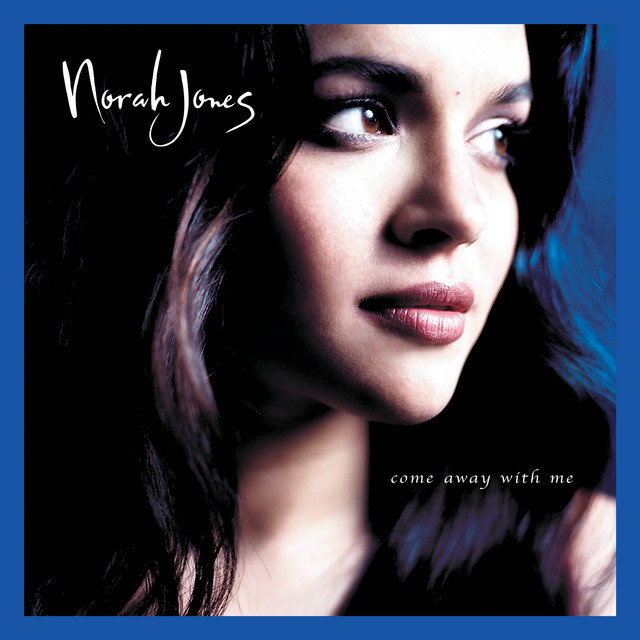
2002
Come Away With Me (Super Deluxe Edition)
Norah Jones
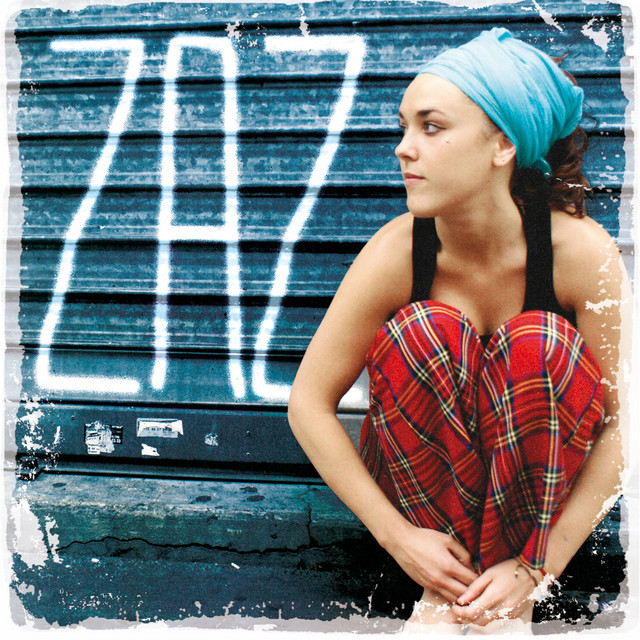
2010
Zaz
Zaz
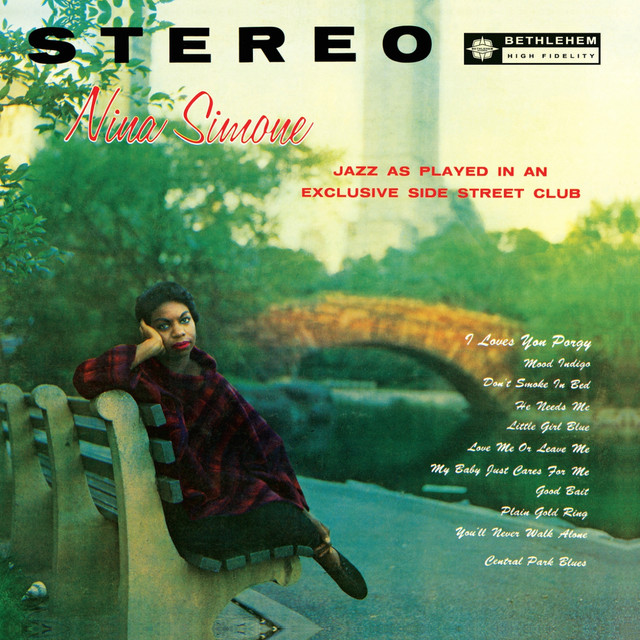
1959
Little Girl Blue (2013 - Remaster)
Nina Simone
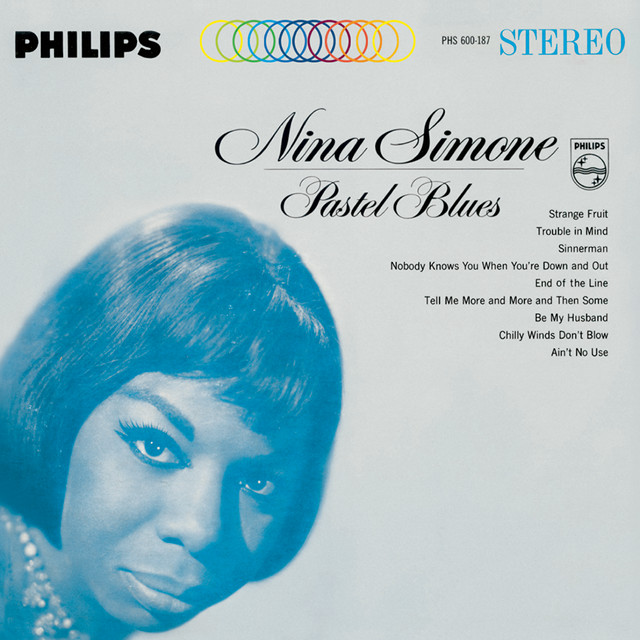
1965
Pastel Blues
Nina Simone
1973
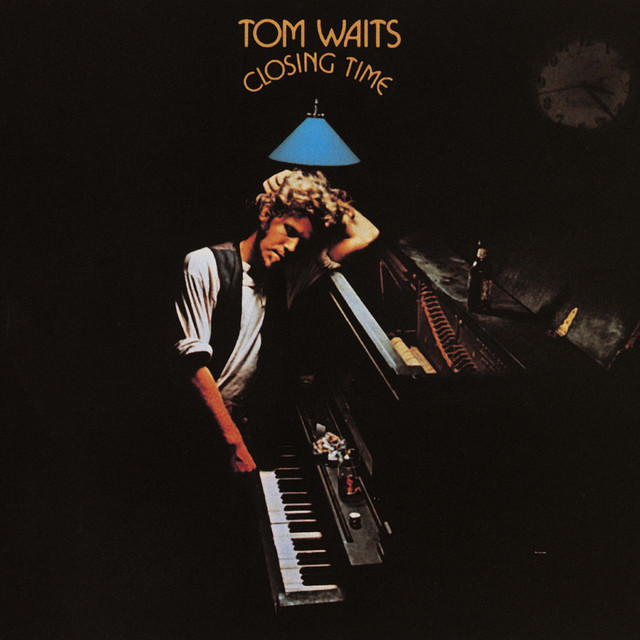
Closing Time
Tom Waits
2002
The Devil Makes Three
The Devil Makes Three
1956
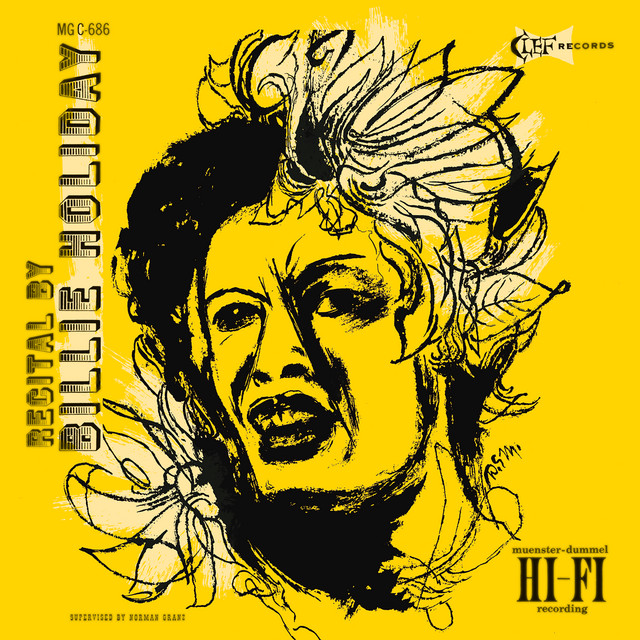
Recital
Billie Holiday
Download our mobile app
Get the Melodigging app and start digging for new genres on the go
Download on the App Store
Get it on Google Play
© 2026 Melodigging
Give feedback
Legal
Melodding was created as a tribute to
Every Noise at Once
, which inspired us to help curious minds keep digging into music's ever-evolving genres.