Genres
Make Music
Artists
Albums
Challenges
Sign in
Sign in
Albums
By Bill Frisell
Albums
By Bill Frisell
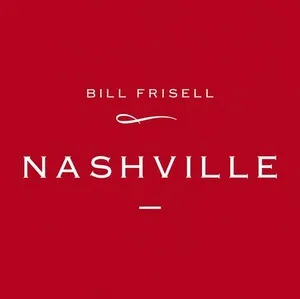
Nashville
April 14, 1997
Listen
2
/5
Genres
Progressive Bluegrass
Progressive bluegrass (often nicknamed “newgrass”) is a modernized branch of bluegrass that expands the music’s traditional acoustic palette with wider harmonic language, flexible song forms, and improvisation drawn from jazz, folk, rock, and contemporary country. While it preserves the high-energy drive, instrumental virtuosity, and acoustic instrumentation of classic bluegrass, progressive bluegrass is more open to non-traditional repertoire, extended solos, complex arrangements, and rhythmic experimentation (including odd meters and groove shifts). It frequently adapts songs from outside the bluegrass canon and emphasizes ensemble interplay, dynamic contrasts, and exploratory soloing.
Discover
Listen
Folk
Folk is a song-centered acoustic tradition rooted in community storytelling, everyday life, and social history. It emphasizes clear melodies, simple harmonies, and lyrics that foreground narrative, protest, and personal testimony. As a modern recorded genre, folk coalesced in the early-to-mid 20th century in the United States out of older ballad, work song, and rural dance traditions. It typically features acoustic instruments (guitar, banjo, fiddle, mandolin, harmonica), strophic song forms, and participatory singing (choruses, call-and-response).
Discover
Listen
Country
Country is a roots-based popular music from the rural American South that blends Anglo-Celtic ballad traditions with African American blues, gospel, and string-band dance music. It is characterized by narrative songwriting, plainspoken vocals with regional twang, and a palette of acoustic and electric instruments such as acoustic guitar, fiddle, banjo, pedal steel, and telecaster guitar. Rhythmically it favors two-step feels, train beats, shuffles, and waltzes, while harmony is largely diatonic (I–IV–V) with occasional country chromaticism and secondary dominants. Across a century, country has evolved through substyles like honky-tonk, the Nashville and Bakersfield sounds, outlaw country, neotraditionalist revivals, pop-country, and country-rap hybrids, but it consistently prioritizes storytelling about everyday life, love, work, faith, place, and identity.
Discover
Listen
Jazz
Jazz is an improvisation-centered music tradition that emerged from African American communities in the early 20th century. It blends blues feeling, ragtime syncopation, European harmonic practice, and brass band instrumentation into a flexible, conversational art. Defining features include swing rhythm (a triplet-based pulse), call-and-response phrasing, blue notes, and extended harmonies built on 7ths, 9ths, 11ths, and 13ths. Jazz is as much a way of making music—spontaneous interaction, variation, and personal sound—as it is a set of forms and tunes. Across its history, jazz has continually hybridized, from New Orleans ensembles and big-band swing to bebop, cool and hard bop, modal and free jazz, fusion, and contemporary cross-genre experiments. Its influence permeates global popular and art music.
Discover
Listen
Similar albums
2015
Such Jubilee
Watchhouse
2013
This Side of Jordan
Watchhouse
2005
Blue Sky and the Devil
Trampled by Turtles
2001
New Favorite
Alison Krauss and Union Station
2000
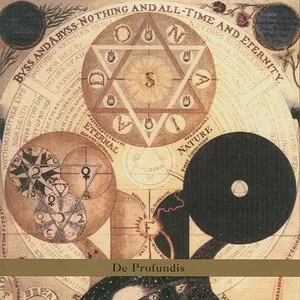
De Profundis
The Cracow Klezmer Band
2000
The Pizza Tapes
Jerry Garcia, David Grisman & Tony Rice
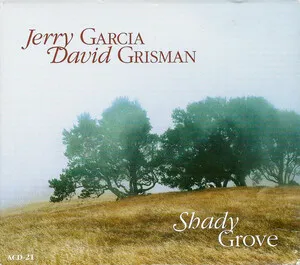
1996
Shady Grove
Jerry Garcia & David Grisman
2023
Zach Bryan
Zach Bryan
2024
The Great American Bar Scene
Zach Bryan
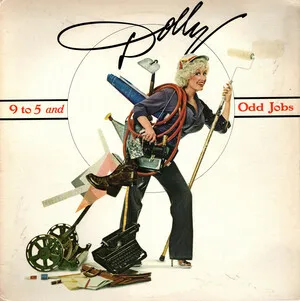
1980
9 to 5 and Odd Jobs
Dolly Parton
Download our mobile app
Get the Melodigging app and start digging for new genres on the go
Download on the App Store
Get it on Google Play
© 2026 Melodigging
Give feedback
Legal
Melodding was created as a tribute to
Every Noise at Once
, which inspired us to help curious minds keep digging into music's ever-evolving genres.