Genres
Make Music
Artists
Albums
Challenges
Sign in
Sign in
Albums
By Freddie King
Albums
By Freddie King
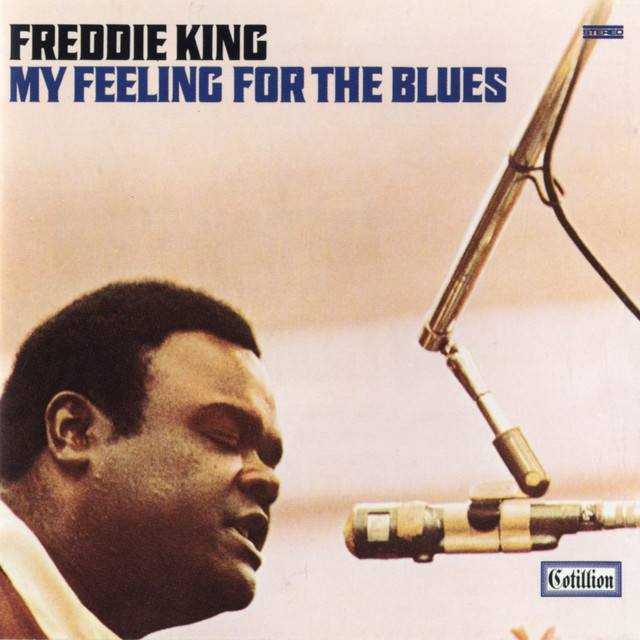
My Feeling for the Blues
1969
Listen
3
/5
Genres
Electric Texas Blues
Electric Texas blues is the amplified, urbanized form of Texas blues that took shape in the mid-20th century. It centers the electric guitar as a lead voice and blends Texas blues phrasing with swing, jump-blues, and jazz harmonies. Hallmarks include a supple shuffle or 12/8 triplet feel, crisp single‑note lead lines, expressive string bends and wide vibrato, and frequent use of dominant 9th/13th chord colors. Compared with Chicago blues, it is often looser and more swinging, with room for jazzy turnarounds and horn-like guitar phrasing. Lyrics typically address love, nightlife, bragging, and hard-won resilience. From T-Bone Walker’s cool sophistication to the fiery attack of Freddie King and the stinging, reverb‑kissed tone of Albert Collins, the style has remained a cornerstone of modern electric blues and a direct conduit to blues-rock.
Discover
Listen
Electric Blues
Electric blues is a postwar evolution of the blues that centers on amplified instruments and a compact, urban band sound. It emerged when rural blues musicians brought their music to industrial cities and adopted electric guitar, amplified harmonica, bass, drums, and piano to cut through noisy clubs. Musically, electric blues relies on 12‑bar and 8‑bar forms, dominant‑7th harmony, and a swung shuffle or boogie groove. Guitarists use string bends, wide vibrato, double‑stops, turnarounds, and call‑and‑response with vocals and harmonica. Amplified harmonica (often through a bullet mic and small tube amp) acts like a lead horn, trading riffs with the guitar. The sound is thick, gritty, and vocal, with tube‑amp breakup, subtle reverb, and sometimes tremolo. Lyrically, themes cover migration, love and betrayal, work and hardship, and the pulse of city life. Regionally, Chicago became the emblem of the style, but strong variants also blossomed in Memphis, Detroit, and Texas.
Discover
Listen
Texas Blues
Texas blues is a regional style of American blues that began with acoustic, itinerant singer–guitarists in the 1920s and evolved into a distinctive electric, guitar-forward sound by the 1940s and 1950s. It blends the storytelling and open-road feel of country blues with jazz-influenced harmony, swing rhythms, and boogie-woogie drive. Melodic single-note lines, fluid bends, and crisp, rhythmic shuffles are hallmarks, whether played solo on acoustic guitar (early era) or through cranked tube amps with a Stratocaster bite (later era). Across decades—from Blind Lemon Jefferson to T-Bone Walker, Lightnin’ Hopkins, and Stevie Ray Vaughan—the style has stayed rooted in I–IV–V blues forms while embracing a strong groove, spacious phrasing, major–minor pentatonic mixtures, and a confident, expressive guitar voice.
Discover
Listen
Blues
Blues is an African American musical tradition defined by expressive "blue notes," call-and-response phrasing, and a characteristic use of dominant-seventh harmony in cyclical song forms (most famously the 12‑bar blues). It is as much a feeling as a form, conveying sorrow, resilience, humor, and hard-won joy. Musically, blues commonly employs the I–IV–V progression, swung or shuffled rhythms, and the AAB lyric stanza. Melodies lean on the minor/major third ambiguity and the flattened fifth and seventh degrees. Core instruments include voice, guitar (acoustic or electric), harmonica, piano, bass, and drums, with slide guitar, bends, and vocal melismas as signature techniques. Over time the blues has diversified into regional and stylistic currents—Delta and Piedmont country blues, urban Chicago and Texas blues, West Coast jump and boogie-woogie—while profoundly shaping jazz, rhythm & blues, rock and roll, soul, funk, and much of modern popular music.
Discover
Listen
Texan Music
Texan music is a regional umbrella that blends Anglo-American country and western, African American blues and gospel, and Mexican/Tejano traditions into a distinctive sound shaped by Texas dancehalls, border culture, and a strong independent ethos. Across its many strands you will hear fiddles and steel guitar alongside Telecaster leads, accordions and bajo sexto, shuffling Texas blues backbeats, and the two-step polka and waltz rhythms brought by German and Czech immigrants. Storytelling is central: songs chronicle ranch and refinery work, open roads, honky-tonks, and life along the Rio Grande, often in plainspoken, image-rich lyrics. The result ranges from intimate singer‑songwriter ballads to big-band Western swing, from Tejano and Tex‑Mex dance music to gritty electric blues and country outlaw swagger.
Discover
Listen
Similar albums
1983
Texas Flood
Stevie Ray Vaughan and Double Trouble
1989
In Step
Stevie Ray Vaughan and Double Trouble
1971
Getting Ready...
Freddie King
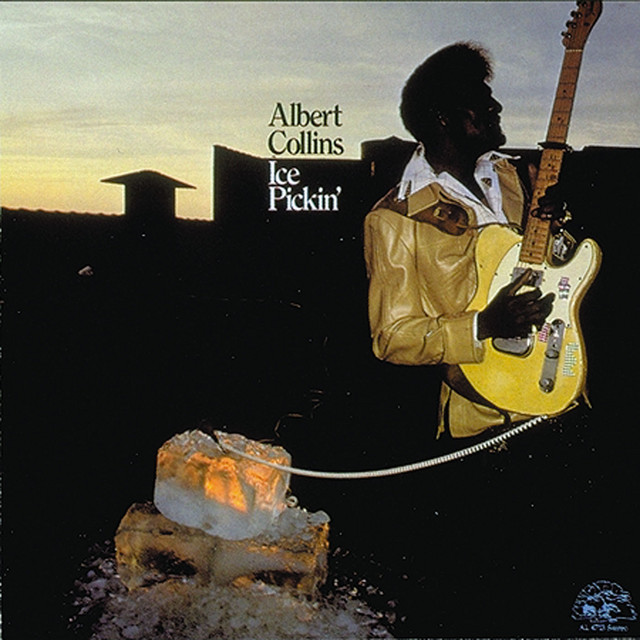
1978
Ice Pickin'
Albert Collins
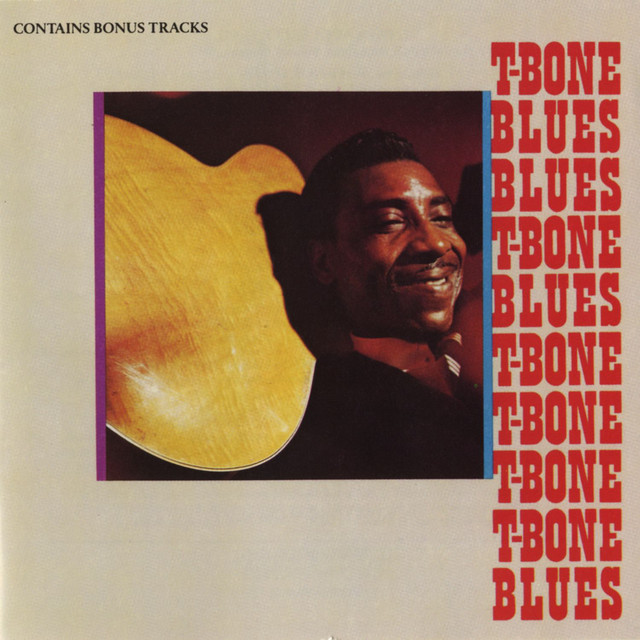
1959
T-Bone Blues
T-Bone Walker
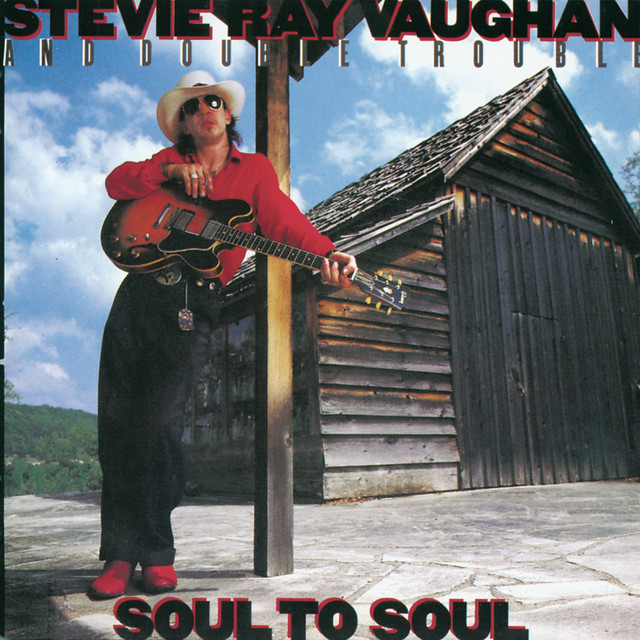
1985
Soul to Soul
Stevie Ray Vaughan and Double Trouble
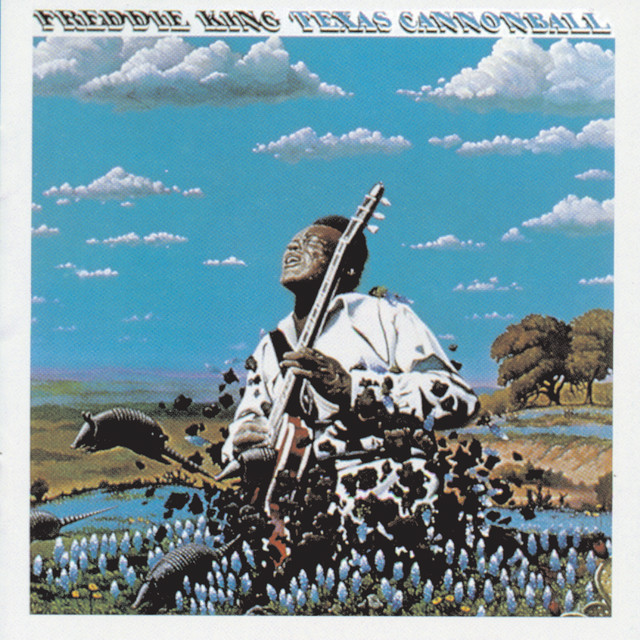
1972
Texas Cannonball
Freddie King
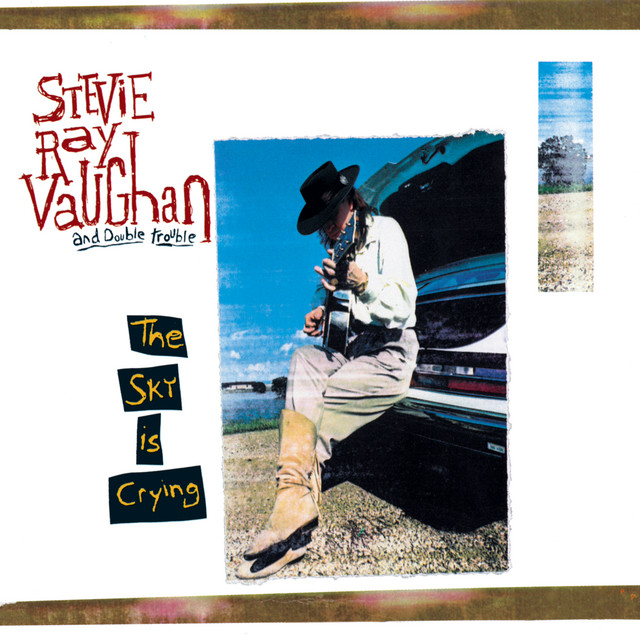
1991
The Sky Is Crying
Stevie Ray Vaughan and Double Trouble
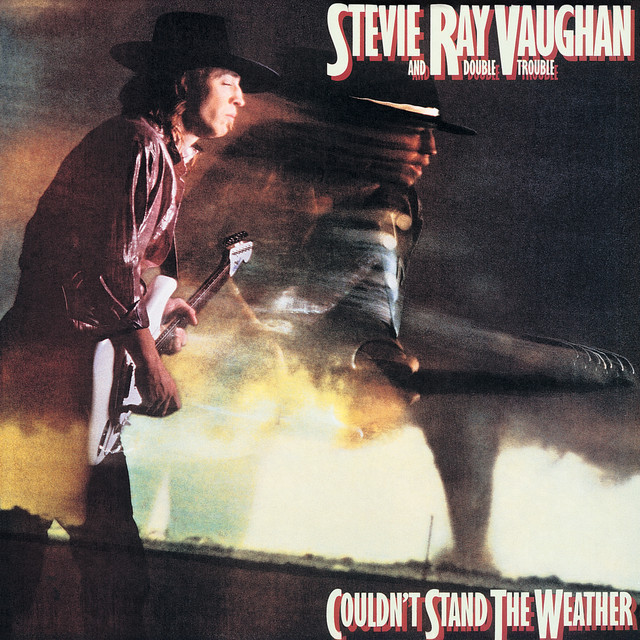
1984
Couldn't Stand the Weather
Stevie Ray Vaughan and Double Trouble
1974
Burglar
Freddie King
Download our mobile app
Get the Melodigging app and start digging for new genres on the go
Download on the App Store
Get it on Google Play
© 2026 Melodigging
Give feedback
Legal
Melodding was created as a tribute to
Every Noise at Once
, which inspired us to help curious minds keep digging into music's ever-evolving genres.