Genres
Make Music
Artists
Albums
Challenges
Sign in
Sign in
Albums
By The Byrds
Albums
By The Byrds
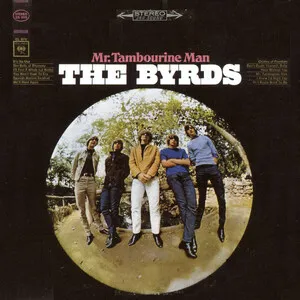
Mr. Tambourine Man
June 21, 1965
Listen
3
/5
Genres
Laurel Canyon Scene
The Laurel Canyon scene is a late‑1960s to early‑1970s Los Angeles musical movement centered around the hillside neighborhood of Laurel Canyon. Its sound blends folk’s acoustic intimacy with the rich harmonies and amplified jangle of rock, plus a mellow West Coast ease. Hallmarks include confessional, literate songwriting; stacked vocal harmonies; 12‑string electric shimmer; piano‑led balladry; light, swinging rhythms; and country‑tinged textures like pedal steel. The scene was as much a creative community as a sound—artists lived, wrote, and jammed together, cross‑pollinating ideas that shaped mainstream pop, soft rock, and singer‑songwriter music for decades. Culturally, it captured California’s post‑Beat, post‑Summer‑of‑Love sensibility: introspective yet sun‑washed, communal yet professionally polished, idealistic but tempered by adult realism.
Discover
Listen
Folk Rock
Folk rock is a fusion genre that blends the narrative lyricism, modal melodies, and acoustic timbres of traditional folk with the backbeat, amplification, and song structures of rock. It typically pairs acoustic or traditional instruments (acoustic guitar, mandolin, fiddle) with a rock rhythm section (electric guitar, bass, drums), often featuring chiming 12‑string guitar textures, close vocal harmonies, and socially conscious or storytelling lyrics. The result ranges from intimate, reflective ballads with a steady backbeat to more anthemic, roots‑driven rock. Emerging in the mid‑1960s through artists such as Bob Dylan and The Byrds, folk rock became a gateway for traditional and roots materials to enter mainstream popular music, and it seeded later movements from country rock and Americana to jangle pop and modern indie folk.
Discover
Listen
Pop Rock
Pop rock blends the hook-focused immediacy of pop with the instrumentation and drive of rock. It prioritizes catchy melodies, concise song structures, and polished production while retaining guitars, bass, and drums as core elements. Typical pop rock tracks use verse–pre-chorus–chorus forms, strong vocal harmonies, and memorable riffs. The sound ranges from jangly and bright to mildly overdriven and arena-ready, aiming for radio-friendly appeal without abandoning rock’s rhythmic punch.
Discover
Listen
Rock
Rock is a broad family of popular music centered on amplified instruments, a strong backbeat, and song forms that foreground riffs, choruses, and anthemic hooks. Emerging from mid‑20th‑century American styles like rhythm & blues, country, and gospel-inflected rock and roll, rock quickly expanded in scope—absorbing folk, blues, and psychedelic ideas—while shaping global youth culture. Core sonic markers include electric guitar (often overdriven), electric bass, drum kit emphasizing beats 2 and 4, and emotive lead vocals. Rock songs commonly use verse–chorus structures, blues-derived harmony, and memorable melodic motifs, ranging from intimate ballads to high‑energy, stadium‑sized performances.
Discover
Listen
Similar albums
1971
Tapestry
Carole King
1968
The Notorious Byrd Brothers
The Byrds
1965
Rubber Soul
The Beatles
1972
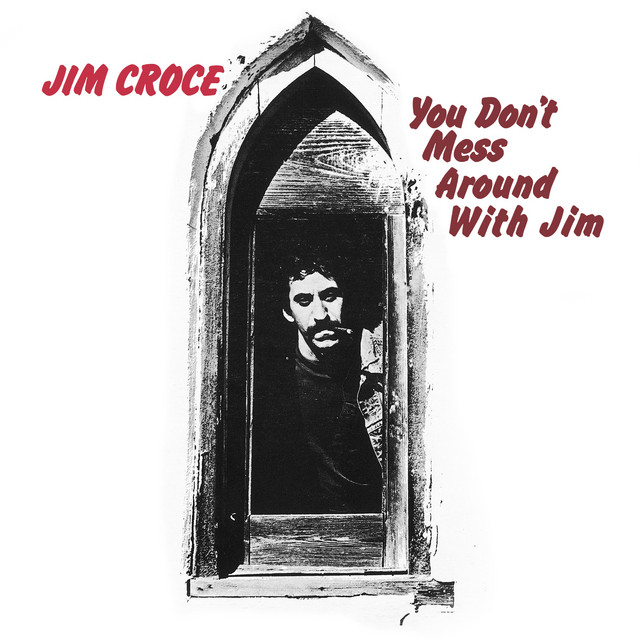
You Don't Mess Around With Jim
Jim Croce
2006
Cars (Original Motion Picture Soundtrack)
James Taylor
1995
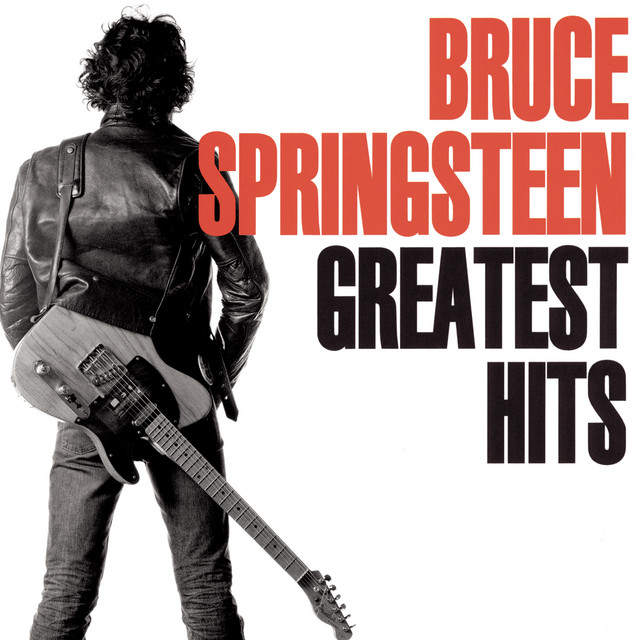
Greatest Hits
Bruce Springsteen
1970
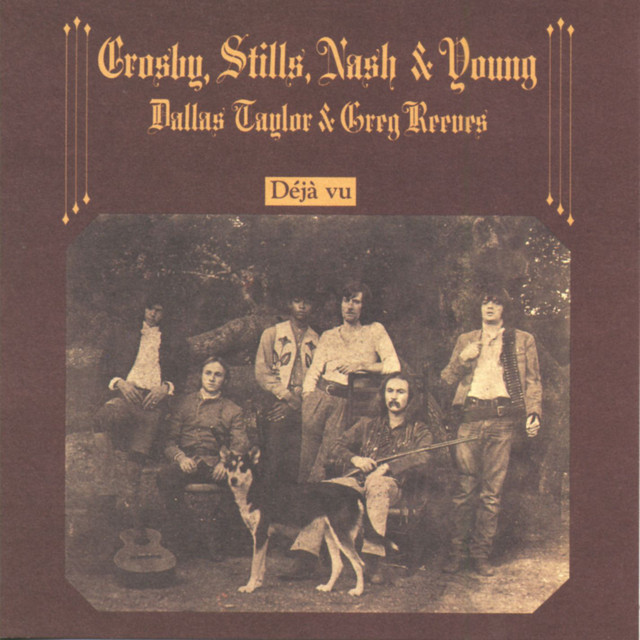
Déjà vu
Crosby, Stills, Nash & Young
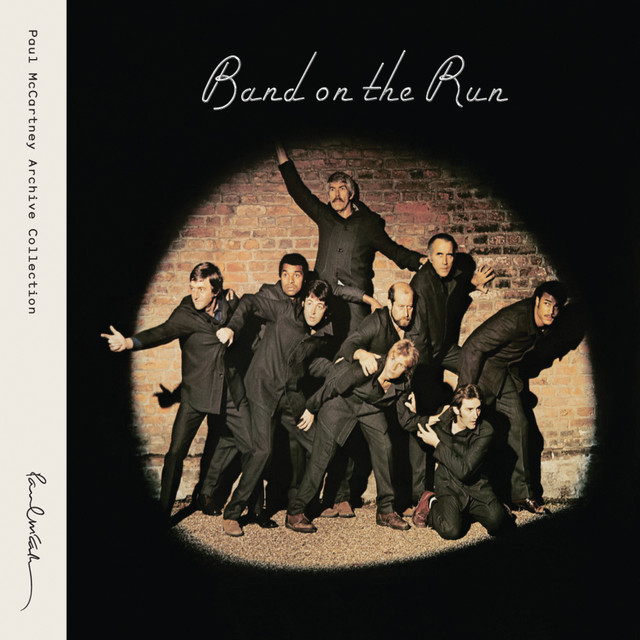
1973
Band on the Run
Wings
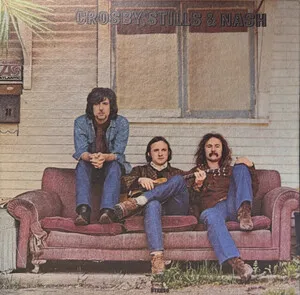
1969
Crosby, Stills & Nash
Crosby, Stills & Nash
1972
Harvest
Neil Young
Download our mobile app
Get the Melodigging app and start digging for new genres on the go
Download on the App Store
Get it on Google Play
© 2026 Melodigging
Give feedback
Legal
Melodding was created as a tribute to
Every Noise at Once
, which inspired us to help curious minds keep digging into music's ever-evolving genres.