Genres
Artists
Albums
Make Music
Sign in
Sign in
Albums
By Wolfgang Amadeus Mozart
Albums
By Wolfgang Amadeus Mozart
Mozart: Complete Piano Concertos (Played on Fortepiano)
January 1, 1999
Listen
Genres
Historical Keyboard
Historical keyboard is a performance-oriented classical genre focused on playing repertoire on period-appropriate keyboard instruments—harpsichord, clavichord, fortepiano, early pianos, and historical organs—using techniques, tunings, and aesthetics drawn from the time the music was written. Rather than treating the modern concert grand as the default, historical keyboard prioritizes the specific colors and mechanics of older instruments (plectrum-plucked harpsichords, tangent or gut-strung clavichords, Viennese and English fortepianos, tracker-action organs). Performers adopt historical temperaments, historical pitch standards (e.g., A=415, 430, or local organ pitches), period fingering and articulation, and documented practices of ornamentation, cadenzas, and continuo realization. The result is a palette of timbres and articulations that illuminate Baroque, Classical, and early Romantic repertoire with clarity, speech-like phrasing, and historically grounded rhetoric.
Discover
Listen
Historically Informed Performance
Historically informed performance (HIP) is a performance practice that aims to recreate music using the instruments, techniques, tunings, ensemble sizes, and interpretive habits that were current when the works were first written. Rather than being a fixed sound, HIP is a research‑driven approach that reads treatises, scores, letters, iconography, and archival evidence to decide how to articulate, ornament, tune, phrase, and balance the music. Although it is most closely associated with Medieval, Renaissance, Baroque, and early Classical repertories, HIP has expanded into Beethoven, Schubert, Mendelssohn, Brahms, and even early twentieth‑century music. Core elements include period instruments (or replicas), historically appropriate pitch standards and temperaments, rhetorical phrasing aligned with dance and speech, and improvisatory practices such as extempore ornamentation and continuo realization.
Discover
Listen
American Classical Piano
American classical piano refers to piano works written by composers from the United States and the distinctive performance traditions that grew around them. Blending European classical foundations with quintessentially American idioms (ragtime, jazz, blues, folk hymnody, spirituals), the repertoire stretches from 19th‑century virtuoso salon pieces through radical 20th‑century experimentation (tone clusters, prepared piano, player‑piano studies) to post‑minimal and post‑classical writing. Its language ranges from Romantic lyricism to modernist abstraction and from gospel‑tinged harmonies to rhythmically propulsive, jazz‑inflected textures. Because the piano served as a household, concert, and experimental laboratory instrument in the U.S., the genre is both cosmopolitan and vernacular: equally at home in the recital hall and in cross‑genre dialogues with Broadway, film, and popular music.
Discover
Listen
Similar albums
2009
Beethoven: Pathétique
Ludwig van Beethoven, Jos Van Immerseel
2016
Complete Nocturnes
John Field / Elizabeth Joy Roe
1989
The Brandenburg Concertos
Johann Sebastian Bach / Orchestra of the Age of Enlightenment
1999
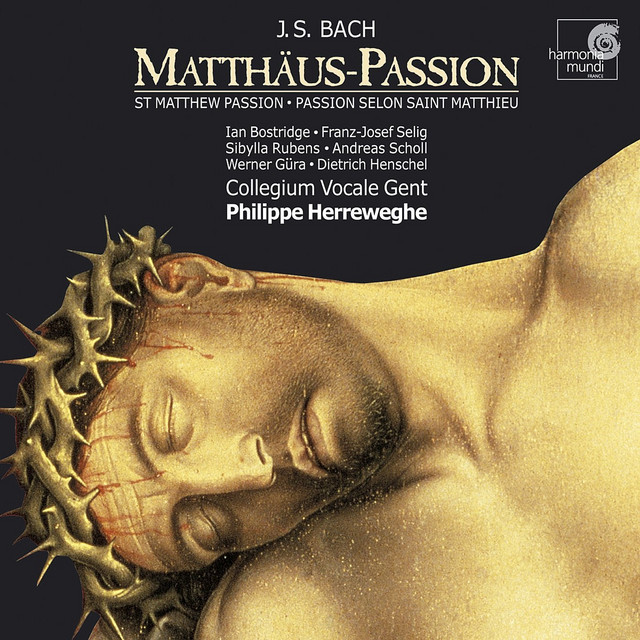
Matthäus-Passion
Johann Sebastian Bach
2008
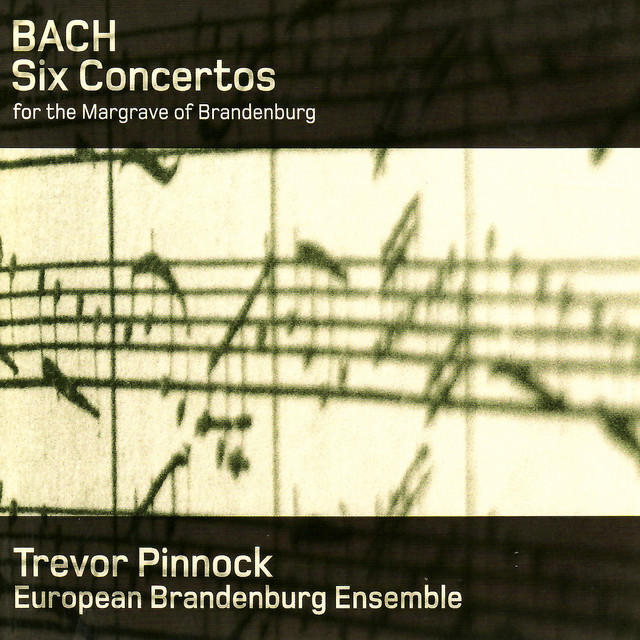
Six Concertos for the Margrave of Brandenburg
Johann Sebastian Bach / European Brandenburg Ensemble / Trevor Pinnock
1992
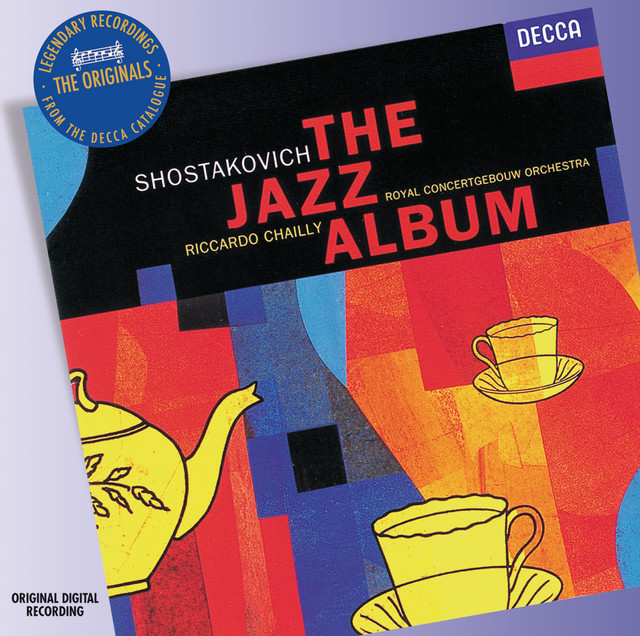
Jazz Music
Dmitri Shostakovich Дмитрий Шостакович / Vincent Youmans
2013
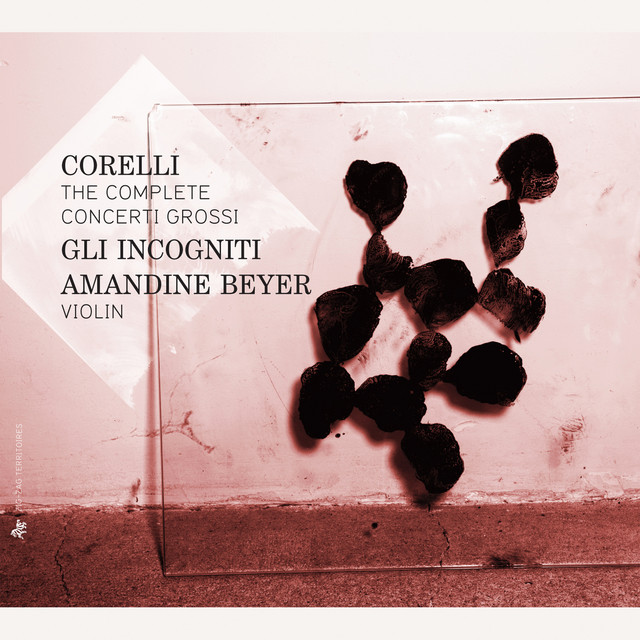
Complete Concerti Grossi
Arcangelo Corelli / Gli Incogniti / Amandine Beyer
1995
Stabat Mater
Antonio Vivaldi
2024
Violin Sonatas Nos. 1-8, C. 138-145
Biber; Gunar Letzbor & Ars Antiqua Austria
2012
Keyboard Works on Clavichord
Johann Sebastian Bach; Jovanka Marville
Download our mobile app
Get the Melodigging app and start digging for new genres on the go
Download on the App Store
Get it on Google Play
© 2026 Melodigging
Give feedback
Legal
Melodding was created as a tribute to
Every Noise at Once
, which inspired us to help curious minds keep digging into music's ever-evolving genres.