Genres
Make Music
Artists
Albums
Challenges
Sign in
Sign in
Albums
By Loren Connors
Albums
By Loren Connors
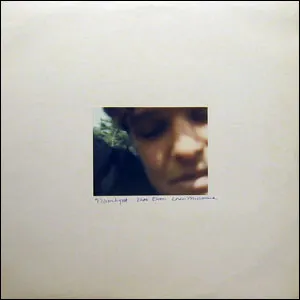
Moonlight
January 1, 1984
Listen
1
/5
Genres
Loner Folk
Loner folk is an intimate, inward-looking branch of folk and singer-songwriter music characterized by sparse arrangements, solitary performances, and frequently home- or privately recorded albums. Its hallmarks include close-miked vocals, minimalist acoustic guitar (often fingerpicked), and the audible patina of tape hiss or room ambience that underscores a diaristic, confessional tone. Emerging from late-1960s private-press and DIY circles, loner folk overlaps with psychedelic folk in its dreamlike atmospheres and existential themes, but it is generally quieter, less orchestrated, and more introverted. Lyrics dwell on isolation, spiritual searching, memory, and nature, while the production aesthetic favors raw immediacy over studio polish.
Discover
Listen
Experimental
Experimental music is an umbrella term for practices that prioritize exploration, process, and discovery over adherence to established genre norms. It embraces new sound sources, nonstandard tuning systems, indeterminacy and chance operations, graphic and open-form scores, extended techniques, and technology-led sound design (tape, electronics, computers, and live processing). Rather than a single style, it is a methodology and ethos: testing hypotheses about sound, structure, and performance, often blurring boundaries between composition, improvisation, sound art, and performance art. Listeners can expect unfamiliar timbres, unusual forms, and an emphasis on how music is made as much as the resulting sound.
Discover
Listen
Rock
Rock is a broad family of popular music centered on amplified instruments, a strong backbeat, and song forms that foreground riffs, choruses, and anthemic hooks. Emerging from mid‑20th‑century American styles like rhythm & blues, country, and gospel-inflected rock and roll, rock quickly expanded in scope—absorbing folk, blues, and psychedelic ideas—while shaping global youth culture. Core sonic markers include electric guitar (often overdriven), electric bass, drum kit emphasizing beats 2 and 4, and emotive lead vocals. Rock songs commonly use verse–chorus structures, blues-derived harmony, and memorable melodic motifs, ranging from intimate ballads to high‑energy, stadium‑sized performances.
Discover
Listen
Blues
Blues is an African American musical tradition defined by expressive "blue notes," call-and-response phrasing, and a characteristic use of dominant-seventh harmony in cyclical song forms (most famously the 12‑bar blues). It is as much a feeling as a form, conveying sorrow, resilience, humor, and hard-won joy. Musically, blues commonly employs the I–IV–V progression, swung or shuffled rhythms, and the AAB lyric stanza. Melodies lean on the minor/major third ambiguity and the flattened fifth and seventh degrees. Core instruments include voice, guitar (acoustic or electric), harmonica, piano, bass, and drums, with slide guitar, bends, and vocal melismas as signature techniques. Over time the blues has diversified into regional and stylistic currents—Delta and Piedmont country blues, urban Chicago and Texas blues, West Coast jump and boogie-woogie—while profoundly shaping jazz, rhythm & blues, rock and roll, soul, funk, and much of modern popular music.
Discover
Listen
Similar albums
2016
Jack Rose
Jack Rose
1999
Last Kiss
Pearl Jam
2018
Staying at Tamara's
George Ezra
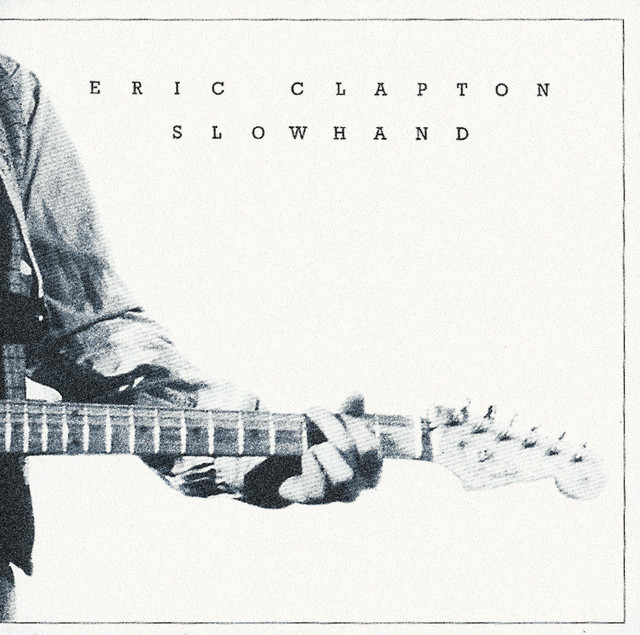
1977
Slowhand 35th Anniversary
Eric Clapton
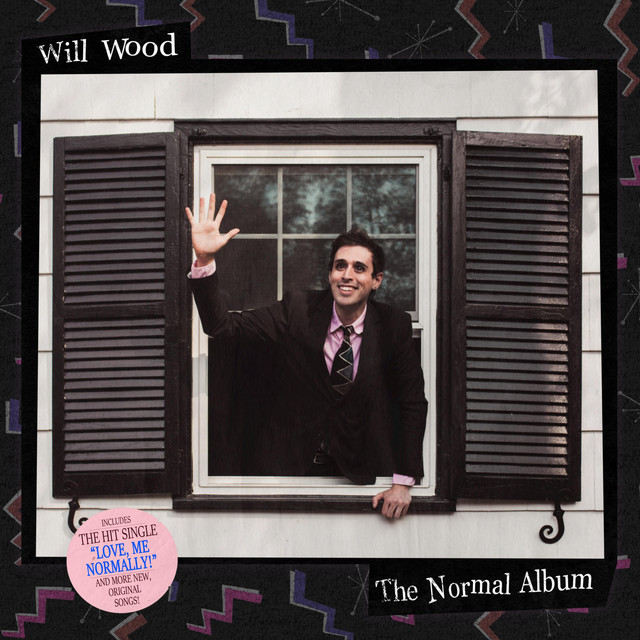
2020
The Normal Album
Will Wood
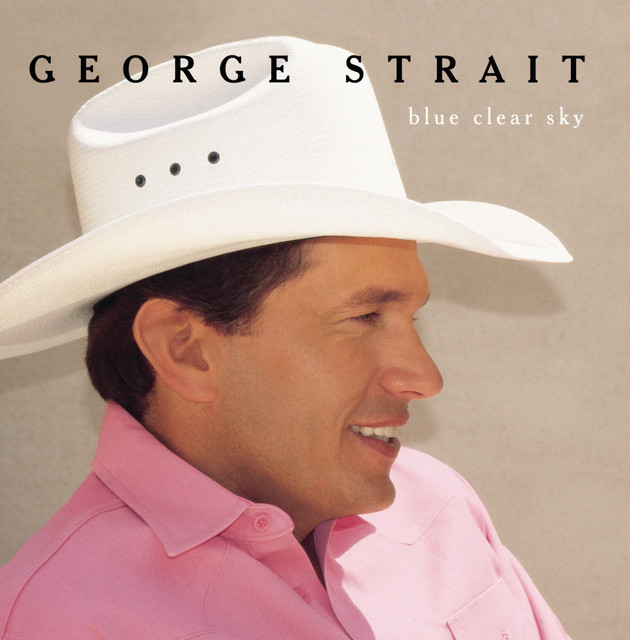
1996
Blue Clear Sky
George Strait
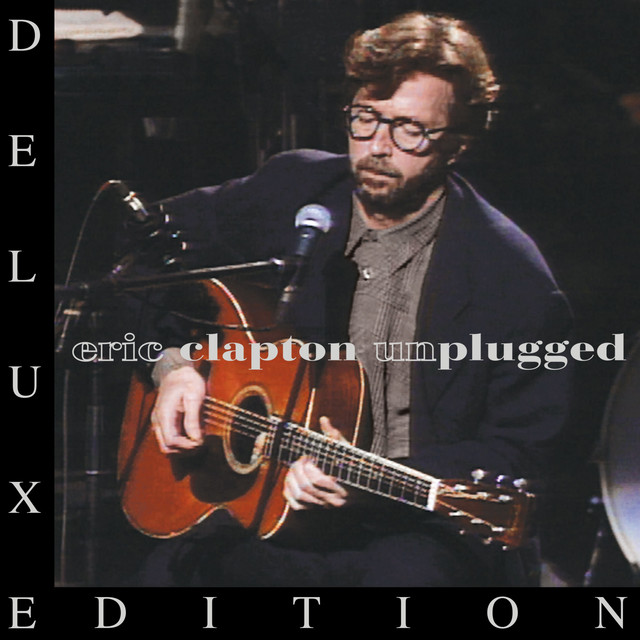
1992
Unplugged (Deluxe Edition) (Live)
Eric Clapton
1983
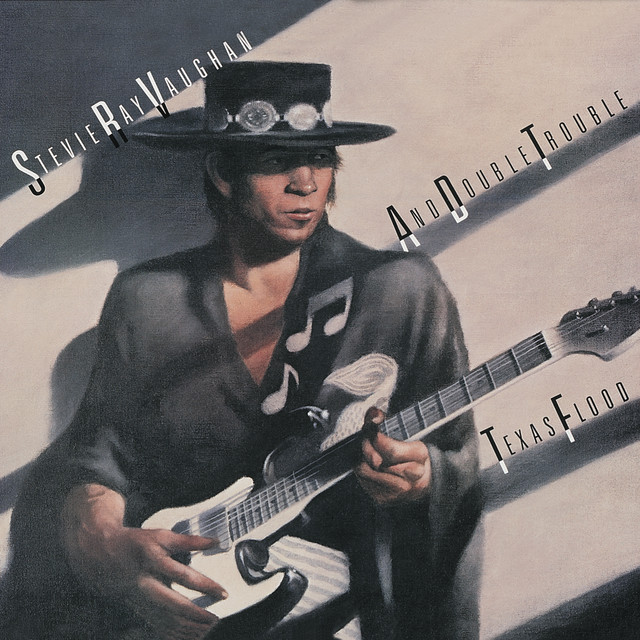
Texas Flood
Stevie Ray Vaughan and Double Trouble
1972
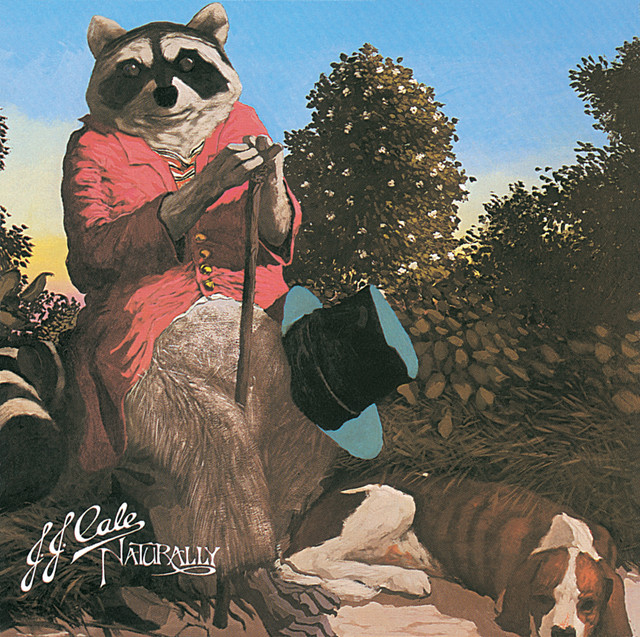
Naturally
J.J. Cale
1999
13
Blur
Download our mobile app
Get the Melodigging app and start digging for new genres on the go
Download on the App Store
Get it on Google Play
© 2026 Melodigging
Give feedback
Legal
Melodding was created as a tribute to
Every Noise at Once
, which inspired us to help curious minds keep digging into music's ever-evolving genres.