Genres
Make Music
Artists
Albums
Challenges
Sign in
Sign in
Albums
By Boubacar Traoré
Albums
By Boubacar Traoré
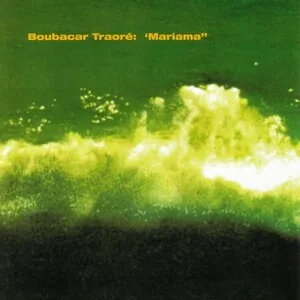
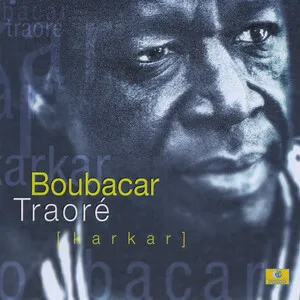
Mariama
January 1, 1990
Listen
2
/5
Genres
Folk
Folk is a song-centered acoustic tradition rooted in community storytelling, everyday life, and social history. It emphasizes clear melodies, simple harmonies, and lyrics that foreground narrative, protest, and personal testimony. As a modern recorded genre, folk coalesced in the early-to-mid 20th century in the United States out of older ballad, work song, and rural dance traditions. It typically features acoustic instruments (guitar, banjo, fiddle, mandolin, harmonica), strophic song forms, and participatory singing (choruses, call-and-response).
Discover
Listen
Blues
Blues is an African American musical tradition defined by expressive "blue notes," call-and-response phrasing, and a characteristic use of dominant-seventh harmony in cyclical song forms (most famously the 12‑bar blues). It is as much a feeling as a form, conveying sorrow, resilience, humor, and hard-won joy. Musically, blues commonly employs the I–IV–V progression, swung or shuffled rhythms, and the AAB lyric stanza. Melodies lean on the minor/major third ambiguity and the flattened fifth and seventh degrees. Core instruments include voice, guitar (acoustic or electric), harmonica, piano, bass, and drums, with slide guitar, bends, and vocal melismas as signature techniques. Over time the blues has diversified into regional and stylistic currents—Delta and Piedmont country blues, urban Chicago and Texas blues, West Coast jump and boogie-woogie—while profoundly shaping jazz, rhythm & blues, rock and roll, soul, funk, and much of modern popular music.
Discover
Listen
Mande Music
Mande music is the courtly and communal music of the Mande peoples (including Mandinka, Maninka/Malinke, and Bambara) whose heartland lies in present‑day Mali and extends across Guinea, Senegal, The Gambia, and Côte d’Ivoire. It centers on the hereditary jeli (griot) tradition of professional praise‑singers and instrumentalists who preserve genealogies, epics, and social histories. Its core sound is built around cyclical ostinati (kumbengo) on instruments such as the 21‑string kora (harp‑lute), the balafon (gourd‑resonated xylophone), and the ngoni (lute), with improvisatory filigree (birimintingo) weaving above. Vocals alternate between composed refrains and free, declamatory passages (donkilo and sataro), often in call‑and‑response with a small chorus. Rhythms commonly breathe in 12/8 and 6/8 feels with subtle cross‑rhythms, while modal tunings (e.g., sauta, tomora) and timbral “buzz” aesthetics (from balafon resonators) shape a distinctive, shimmering texture. Repertoires comprise named pieces tied to lineages and events (e.g., Sunjata epics, Duga, Kaira, Jarabi). In modern contexts, these materials underpin both acoustic ensembles and electrified bands, maintaining the social function of praise and mediation while speaking to contemporary audiences.
Discover
Listen
Similar albums
2005
Dimanche à Bamako
Amadou & Mariam
2013
Did You Hear the Rain?
George Ezra
1989
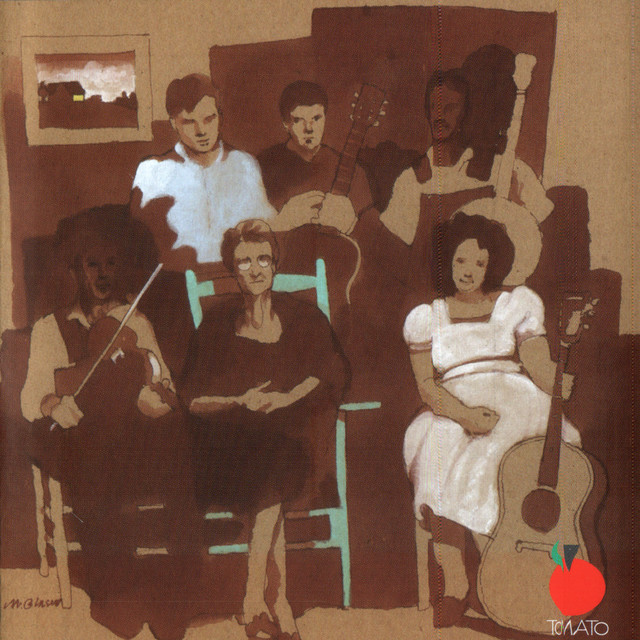
Folksongs and Instrumentals With Guitar
Elizabeth Cotten
2009
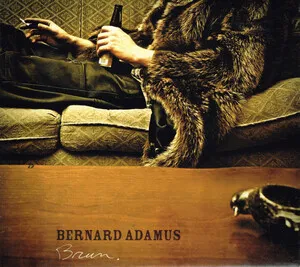
Brun
Bernard Adamus
2014
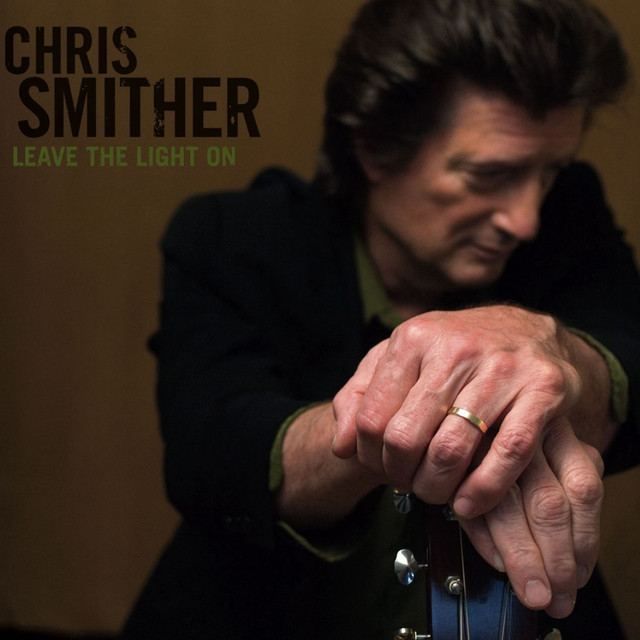
Leave The Light On
Chris Smither
2013
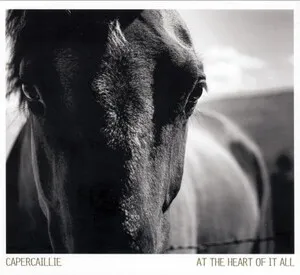
At the Heart of It All
Capercaillie
2009
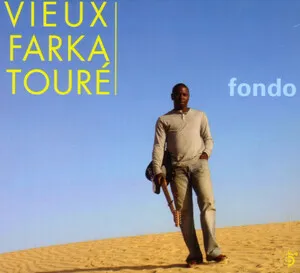
Fondo
Vieux Farka Touré
2010
Booker's Guitar
Eric Bibb
2002
Elementary Doctor Watson!
Doc Watson
1999
Maciré
Boubacar Traoré
Download our mobile app
Get the Melodigging app and start digging for new genres on the go
Download on the App Store
Get it on Google Play
© 2026 Melodigging
Give feedback
Legal
Melodding was created as a tribute to
Every Noise at Once
, which inspired us to help curious minds keep digging into music's ever-evolving genres.