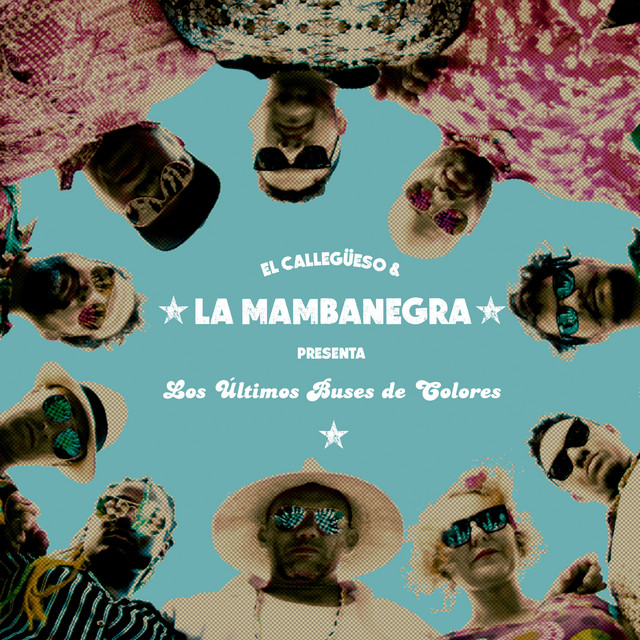
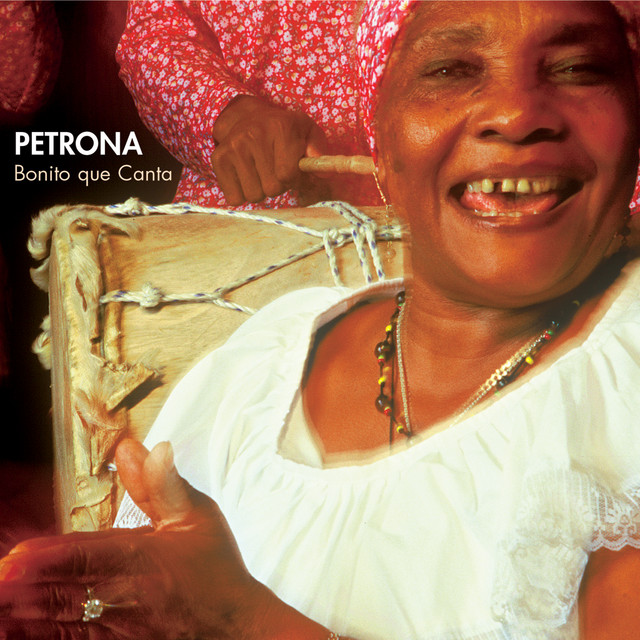
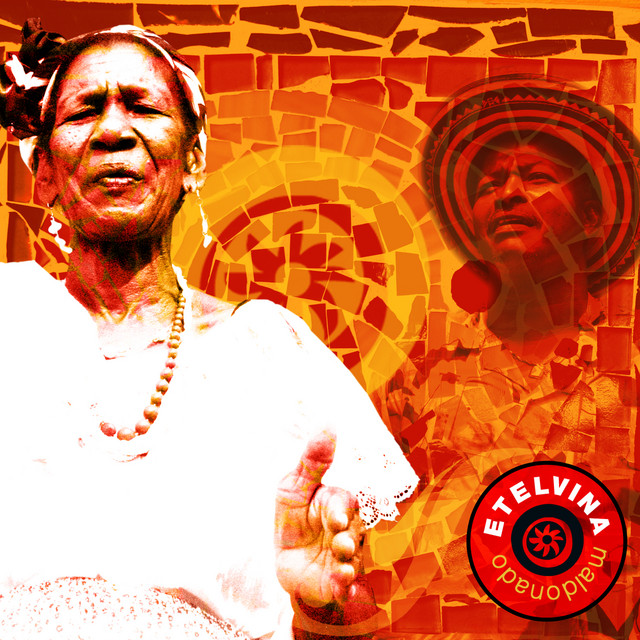
Afro‑Colombian folklore (folclor afrocolombiano) is the umbrella for the music, songs, and dances created by Afro‑descendant communities in Colombia’s Caribbean and Pacific regions. It fuses West and Central African rhythmic thinking and call‑and‑response singing with Indigenous melodic resources and Spanish colonial idioms, and it is deeply tied to community ritual, labor, festivity, and dance.
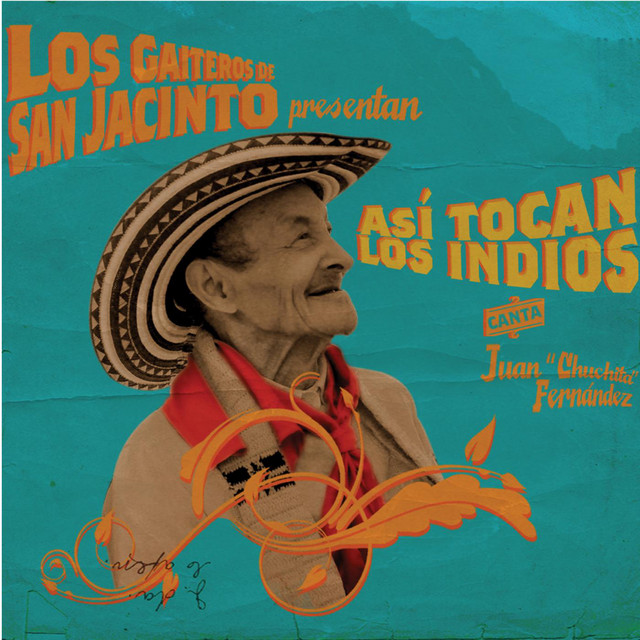
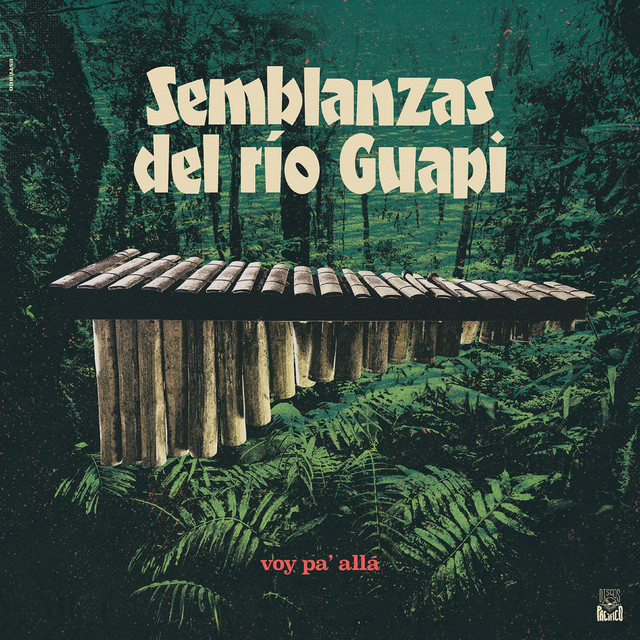
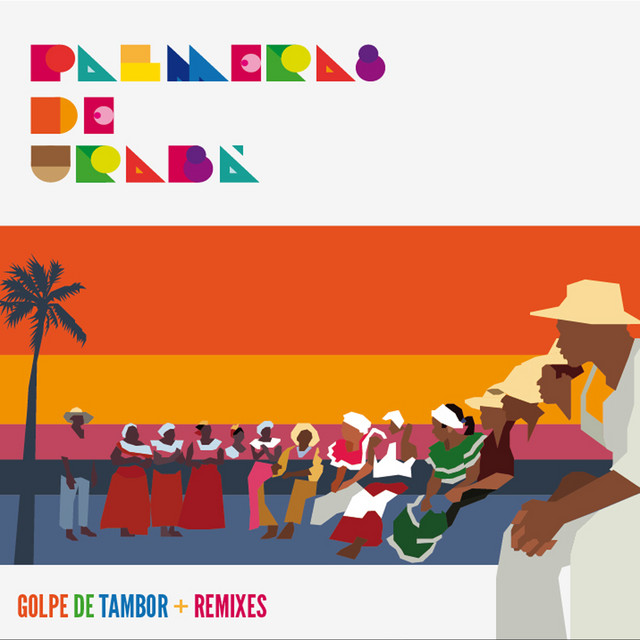
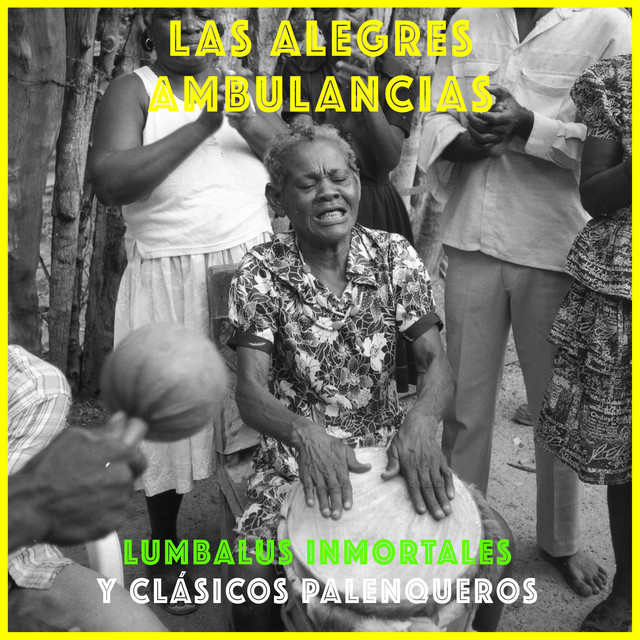
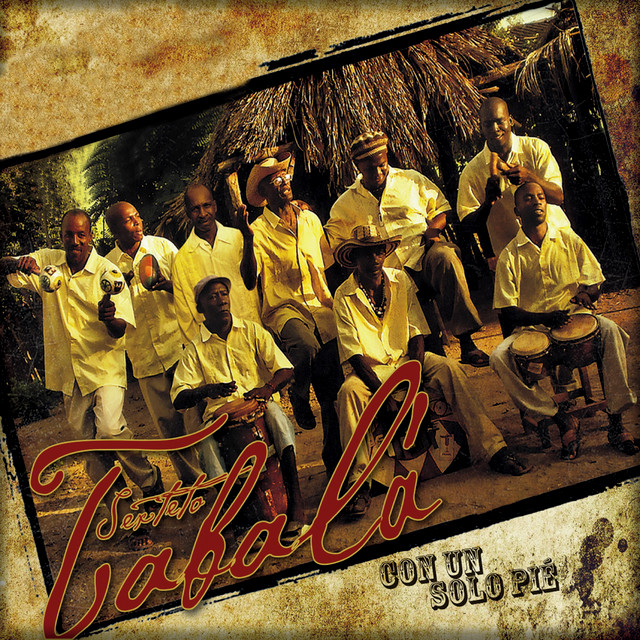
Two broad regional sound worlds stand out. On the Caribbean coast (e.g., Bolívar, Atlántico, Sucre), ensembles center on the tambora family (tambor alegre, llamador, tambora), maracas, handclaps, and long cane flutes (gaitas), powering genres such as bullerengue, porro, mapalé, son de negro, and chandé. On the Pacific coast (Chocó, Valle, Cauca, Nariño), the “marimba de chonta” with cununos, bombo and guasá (beaded shaker) sustains polyrhythmic 6/8–12/8 grooves for currulao and a family of ritual songs (arrullos, alabaos, bundes, abozáo, juga). Languages include Spanish, Palenquero (in San Basilio de Palenque), and local lexicons; lyrics invoke rivers, sea, mangroves, labor, praise, mourning, and collective memory.
Stylistically, the music favors cyclical grooves, overlapping ostinati, responsorial coros, pentatonic and modal tunes, and a flexible, dancer‑led performance energy. It is music of place and purpose—healing, mourning, worship, courtship, celebration—transmitted orally and continually re‑created in community life.