Genres
Make Music
Artists
Albums
Challenges
Sign in
Sign in
Albums
By Willie Colón
Albums
By Willie Colón
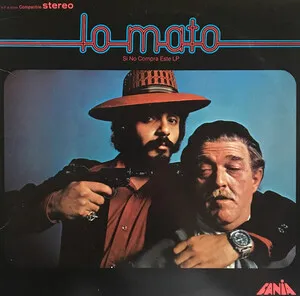
Lo mato
2009
Listen
1
/5
Genres
Salsa
Salsa is a pan–Latin dance music forged primarily in New York City by Puerto Rican, Cuban, and other Caribbean diasporas. It synthesizes Afro‑Cuban rhythmic blueprints, Puerto Rican bomba and plena, jazz harmony, big‑band horn writing, and Nuyorican street culture into a tightly arranged yet improvisation‑friendly style. The music lives on the clave (either 2‑3 or 3‑2), with layered percussion (congas, bongó, timbales, cowbell, güiro, maracas), a tumbao bass that anticipates the beat, and piano montuno guajeos that interlock with the rhythm section. Call‑and‑response vocals (coro/pregón), punchy horn mambos and moñas, and instrumental solos energize the montuno section. Tempos range from medium to fast in 4/4, optimized for social dancing (commonly “on1” or “on2”). Across decades, salsa has branched into harder, percussion‑forward “salsa dura,” smoother “salsa romántica,” and regional scenes in Puerto Rico, Venezuela, and Colombia, while continuing to influence—and be influenced by—neighboring tropical and jazz idioms.
Discover
Listen
Salsa Dura
Salsa dura ("hard salsa") is a gritty, high-energy branch of salsa built for dancers and live band firepower rather than pop polish. It foregrounds intense rhythmic drive, brassy horn mambos, extended montuno vamps, and instrumental solos, keeping the spotlight on the groove. Developed in New York City by Afro-Caribbean musicians, salsa dura draws directly from Cuban son and mambo, Puerto Rican bomba/plena, and Latin jazz jam traditions (descargas). Arrangements emphasize heavy trombone lines, call-and-response coros, and vigorous percussion that stays locked to the clave. Compared with later salsa romántica, salsa dura sounds tougher, faster, and more streetwise.
Discover
Listen
Latin
Latin (as a genre label) is a broad umbrella used by the recording industry to categorize popular music rooted in Latin America, the Caribbean, and the Iberian world, often characterized by syncopated Afro-diasporic rhythms, dance-forward grooves, and lyrics primarily in Spanish or Portuguese. As a marketplace category that took shape in the mid-20th century United States, it gathers diverse traditions—Afro-Cuban, Brazilian, Mexican, and Caribbean styles—into a shared space. In practice, "Latin" spans everything from big-band mambo and bolero ballads to contemporary pop, rock, hip hop, and dance fusions produced by artists of Latin American heritage.
Discover
Listen
Regional Music
Regional music is an umbrella term for locally rooted musical styles that are strongly tied to a specific place, community, and cultural practice. Rather than denoting one uniform sound, it encompasses many traditions whose instrumentation, rhythms, language, and performance customs reflect the history and daily life of a region. In the recording era, labels, radio programmers, and later streaming platforms used “regional music” to group market- or scene-specific traditions (for example, Cajun in Louisiana, son in Cuba, morna in Cape Verde, or Irish traditional music). The term highlights locality, vernacular identity, and continuity with folk or indigenous practices, even when these styles modernize or cross over into pop and rock contexts.
Discover
Listen
Guajira
Guajira is a Cuban song genre with rural, pastoral imagery, derived from the countryside verse-singing tradition known as punto cubano and formalized at the turn of the 20th century. Musically, it favors a lilting, moderate tempo with habanera/tresillo undercurrents, clear major-key harmonies, and lyrical, narrative melodies often set to décimas (ten-line stanzas). Its texts nostalgically portray the guajiro (rural farmer), love, nature, and everyday country life. Historically, a related rhythmic and thematic idea travelled to Spain in the 18th–19th centuries as “punto de La Habana,” entering flamenco as the palo called guajira. In Cuba, the genre was codified in urban theater and zarzuela; Jorge Anckermann’s 1899 song “El arroyo que murmura” is widely cited as the first Cuban guajira and became a template for later works. Over the 20th century the guajira intersected with son, producing the popular hybrid guajira-son and standards such as “Guantanamera.”
Discover
Listen
Hispanic Music
Hispanic music is an umbrella term for the diverse body of Spanish‑language musical traditions originating in Spain and evolving across the Hispanic world of Latin America and the Caribbean. It encompasses folk, sacred, classical, and popular forms, and today includes everything from flamenco and bolero to salsa, norteño, bachata, rock en español, and reggaetón. Historically, it reflects a multilayered synthesis: Iberian song and dance practices, Catholic liturgical and art‑music lineages, and deep contributions from Indigenous American and West/Central African musics forged during the colonial era. The result is a family of styles united by language but varied in rhythm, instrumentation, and aesthetics, often emphasizing danceable grooves, expressive vocals, and storytelling lyrics.
Discover
Listen
Similar albums
1990
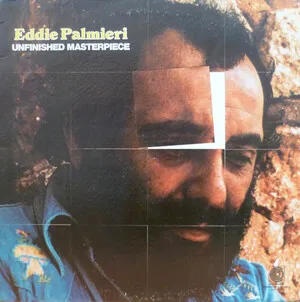
Unfinished Masterpiece
Eddie Palmieri
1970
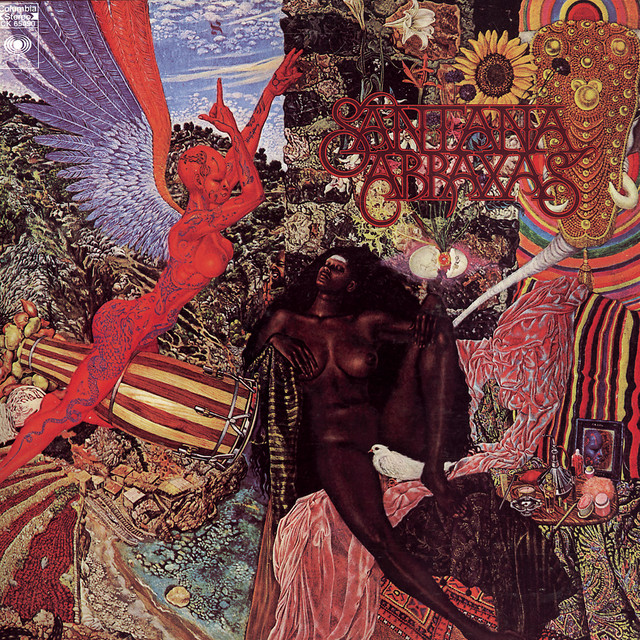
Abraxas
Santana
1978
Comedia
Héctor Lavoe
1972
El juicio
Willie Colón
1975
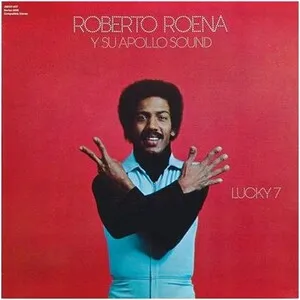
Lucky 7
Roberto Roena y Su Apollo Sound
1968
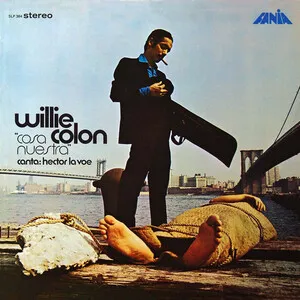
Cosa nuestra
Willie Colón & Héctor Lavoe
1977
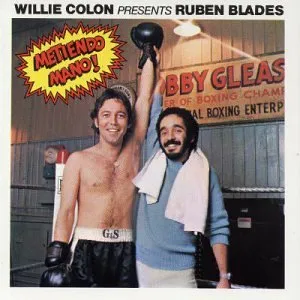
Metiendo mano!
Willie Colón & Rubén Blades
2000
Mandali
Africando All Stars
1979
Rican/Struction
Ray Barretto
2006
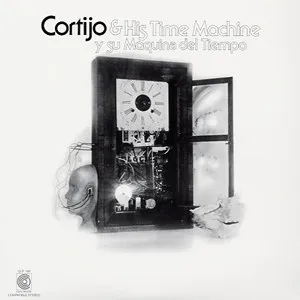
Cortijo & su maquina del tiempo
Cortijo & His Time Machine
Download our mobile app
Get the Melodigging app and start digging for new genres on the go
Download on the App Store
Get it on Google Play
© 2026 Melodigging
Give feedback
Legal
Melodding was created as a tribute to
Every Noise at Once
, which inspired us to help curious minds keep digging into music's ever-evolving genres.