Genres
Artists
Albums
Make Music
Sign in
Sign in
Albums
By 박민희
Albums
By 박민희
LLLonely 쓸쓸쓸
Listen
Genres
Fusion Gugak
Fusion gugak is a contemporary style that blends Korea’s traditional music (gugak) and instruments with modern genres such as jazz, rock, post-rock, ambient, and electronic music. It keeps core gugak elements—traditional modes, ornamentation (sigimsae), cyclic jangdan rhythms, and timbres of instruments like gayageum, geomungo, haegeum, piri, daegeum, janggu, and buk—while adopting modern harmony, song forms, amplification, and studio production. The result ranges from high-energy percussion- and groove-driven performances to atmospheric, minimalist soundscapes, making gugak accessible to new audiences without abandoning its identity.
Discover
Listen
Gagok
Gagok (가곡) is a refined genre of Korean courtly vocal music consisting of lyric song cycles set to sijo poetry and accompanied by a small jeongak ("proper music") orchestra. It exists in distinct repertoires for male (namchang) and female (yeochang) voices. Emerging from the aristocratic salon culture of late Joseon Korea, gagok shapes three-line sijo texts into extended, highly ornamented melodies in the ujo and gyemyeonjo modal systems. The accompaniment typically features a soft yet stately chamber ensemble (piri, daegeum, haegeum, gayageum or geomungo, and janggu) that articulates cyclical rhythms (jangdan) while sustaining a contemplative pace. Considered one of the most elegant vocal traditions within Korean classical music, gagok was recognized as a National Important Intangible Cultural Heritage in the 1960s and inscribed by UNESCO in 2010 as an Intangible Cultural Heritage of Humanity.
Discover
Listen
East Asian Classical Music
East Asian classical music refers to the interconnected courtly, ritual, and elite art-music traditions of China, Korea, Japan, and (historically) Vietnam that share a deep lineage in classical Chinese musical thought and repertory. At its core are Confucian ceremonial aesthetics, pentatonic modal systems, heterophonic ensemble textures, and codified repertoires transmitted through court institutions, temples, and literati circles. Signature sound worlds include China’s refined guqin and yayue court ensembles, Japan’s stately gagaku and Buddhist shōmyō chant, Korea’s aak (Confucian ritual), hyangak/dangak, and jeongak (court and aristocratic music), and Vietnam’s nhã nhạc (Huế court music). The result is a family of traditions marked by timbral subtlety (e.g., sho chord clusters, hichiriki reeds, silk-string zithers), flexible but ceremonially structured rhythm, and modal nuance—often conveying grandeur, contemplation, and ritual solemnity.
Discover
Listen
Jeongak
Jeongak is the refined classical court and aristocratic music of Korea, encompassing ritual (aak), Chinese-derived (dangak), and native court (hyangak) traditions under a broader aesthetic of elegance, restraint, and balance. It is performed on an ensemble of wind, string, and percussion instruments such as piri and daegeum (oboes and transverse bamboo flutes), haegeum (two‑string fiddle), gayageum and geomungo (zithers), and various drums and gongs. The style emphasizes calm tempi, cyclical rhythmic patterns (jangdan), heterophonic texture, and subtle ornamentation (sigimsae and nonghyeon). Core repertory includes suites like Yeongsanhoesang and Boheoja and the stately music for royal ancestral rites (Jongmyo Jeryeak). Jeongak is closely associated with Confucian court culture and literati ideals, privileging poise, precision, and contemplative beauty.
Discover
Listen
Korean Music
Korean music (gugak) encompasses the traditional, courtly, religious, and folk music of the Korean Peninsula, as well as the modern popular styles that emerged in the 20th and 21st centuries. Traditional Korean music is built on modal systems such as pyeongjo and gyemyeonjo, cyclical rhythms called jangdan (e.g., jinyangjo, jungmori, jajinmori), heterophonic textures, and expressive ornamentation known as sigimsae. Core instruments include the gayageum (zither), geomungo (plucked zither), daegeum (bamboo flute), haegeum (two-string fiddle), piri (oboe), and percussion like janggu and buk. Modern Korean music ranges from trot and ballad to globalized K-pop, K-rap, and K-rock, blending indigenous aesthetics with Western harmony, electronic production, and tightly choreographed performance.
Discover
Listen
Similar albums
2005
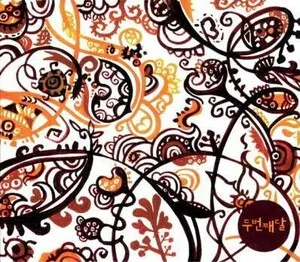
두번째달
2nd Moon 두번째달
2006
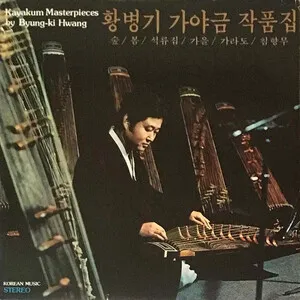
Kayakum Masterpieces 가야금 작품집
황병기
2016
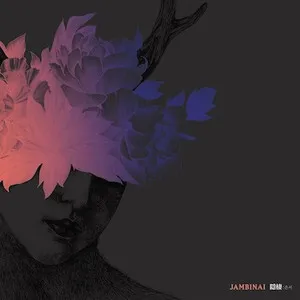
A Hermitage 隱棲은서
Jambinai 잠비나이
2025
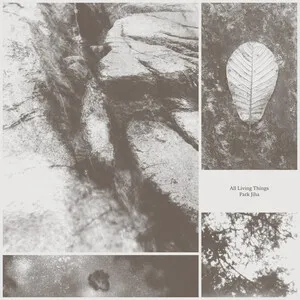
All Living Things
Park Jiha 박지하
2025
Spirits Unbound
UREUK AND THE GYPSIES
2022
The Gleam
Park Jiha 박지하
2023
Music for Hwi-i-ing
Minhwi Lee 이민휘
2021
Similar & Different
Dal:um 달음
2021
아리랑, 삶의 노래
Jeong Ga Ak Hoe 정가악회
2018
Philos
Park Jiha 박지하
Download our mobile app
Get the Melodigging app and start digging for new genres on the go
Download on the App Store
Get it on Google Play
© 2026 Melodigging
Give feedback
Legal
Melodding was created as a tribute to
Every Noise at Once
, which inspired us to help curious minds keep digging into music's ever-evolving genres.