Genres
Make Music
Artists
Albums
Challenges
Sign in
Sign in
Albums
By Charley Crockett
Albums
By Charley Crockett
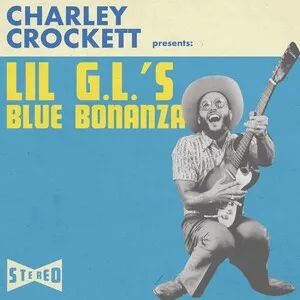
Lil G.L.'s Blue Bonanza
December 7, 2018
Listen
3
/5
Genres
Electric Texas Blues
Electric Texas blues is the amplified, urbanized form of Texas blues that took shape in the mid-20th century. It centers the electric guitar as a lead voice and blends Texas blues phrasing with swing, jump-blues, and jazz harmonies. Hallmarks include a supple shuffle or 12/8 triplet feel, crisp single‑note lead lines, expressive string bends and wide vibrato, and frequent use of dominant 9th/13th chord colors. Compared with Chicago blues, it is often looser and more swinging, with room for jazzy turnarounds and horn-like guitar phrasing. Lyrics typically address love, nightlife, bragging, and hard-won resilience. From T-Bone Walker’s cool sophistication to the fiery attack of Freddie King and the stinging, reverb‑kissed tone of Albert Collins, the style has remained a cornerstone of modern electric blues and a direct conduit to blues-rock.
Discover
Listen
Country
Country is a roots-based popular music from the rural American South that blends Anglo-Celtic ballad traditions with African American blues, gospel, and string-band dance music. It is characterized by narrative songwriting, plainspoken vocals with regional twang, and a palette of acoustic and electric instruments such as acoustic guitar, fiddle, banjo, pedal steel, and telecaster guitar. Rhythmically it favors two-step feels, train beats, shuffles, and waltzes, while harmony is largely diatonic (I–IV–V) with occasional country chromaticism and secondary dominants. Across a century, country has evolved through substyles like honky-tonk, the Nashville and Bakersfield sounds, outlaw country, neotraditionalist revivals, pop-country, and country-rap hybrids, but it consistently prioritizes storytelling about everyday life, love, work, faith, place, and identity.
Discover
Listen
Classic Blues
Classic blues (often called "classic female blues") is the early, urban, theater-bred form of the blues that flourished primarily in the 1920s. It is characterized by powerful lead vocalists—frequently women—fronting small jazz ensembles or a piano accompanist, with arrangements that translated the blues idiom to vaudeville stages and recording studios. Musically it typically uses the 12‑bar blues form, AAB lyric stanzas, swung or shuffle rhythms in 4/4, and prominent use of blue notes (flattened 3rd, 5th, and 7th). The style sits at the crossroads of Southern blues traditions, ragtime and early jazz, and the songcraft and professionalism of vaudeville and Tin Pan Alley. Classic blues differs from country/delta blues by its more formal arrangements, band instrumentation, and theatrical delivery. It launched the commercial “race records” era with Mamie Smith’s 1920 hit "Crazy Blues," and set the template for later jazz and R&B vocal performance.
Discover
Listen
Blues
Blues is an African American musical tradition defined by expressive "blue notes," call-and-response phrasing, and a characteristic use of dominant-seventh harmony in cyclical song forms (most famously the 12‑bar blues). It is as much a feeling as a form, conveying sorrow, resilience, humor, and hard-won joy. Musically, blues commonly employs the I–IV–V progression, swung or shuffled rhythms, and the AAB lyric stanza. Melodies lean on the minor/major third ambiguity and the flattened fifth and seventh degrees. Core instruments include voice, guitar (acoustic or electric), harmonica, piano, bass, and drums, with slide guitar, bends, and vocal melismas as signature techniques. Over time the blues has diversified into regional and stylistic currents—Delta and Piedmont country blues, urban Chicago and Texas blues, West Coast jump and boogie-woogie—while profoundly shaping jazz, rhythm & blues, rock and roll, soul, funk, and much of modern popular music.
Discover
Listen
Similar albums
1983
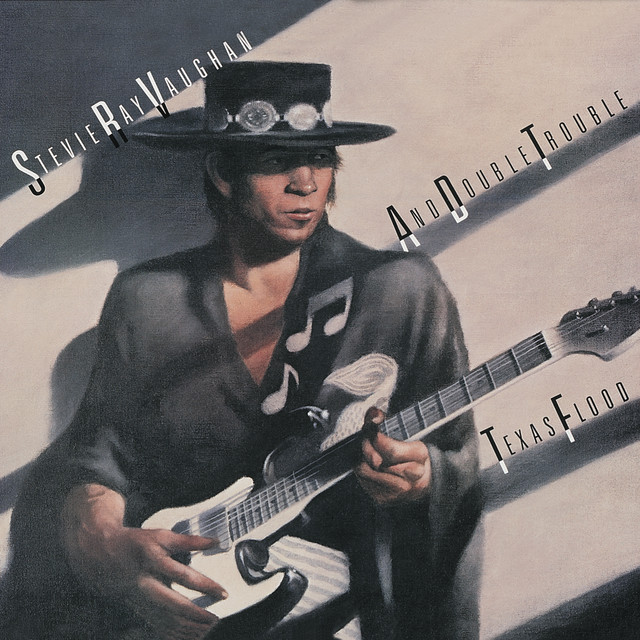
Texas Flood
Stevie Ray Vaughan and Double Trouble
1989
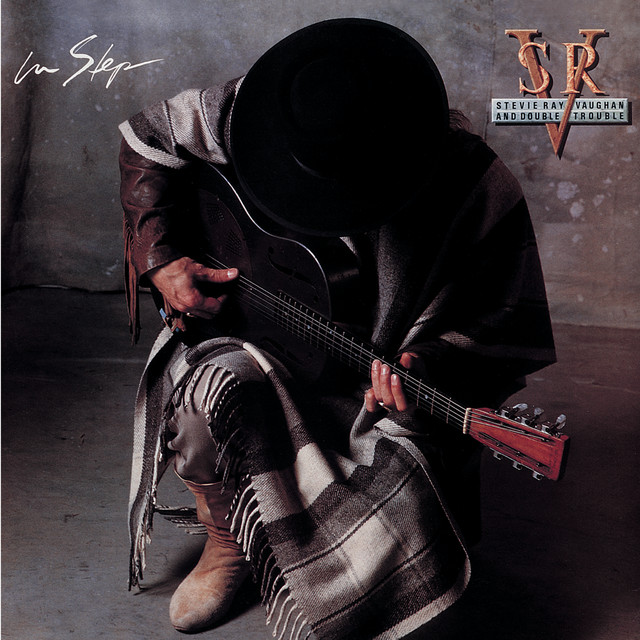
In Step
Stevie Ray Vaughan and Double Trouble
1971
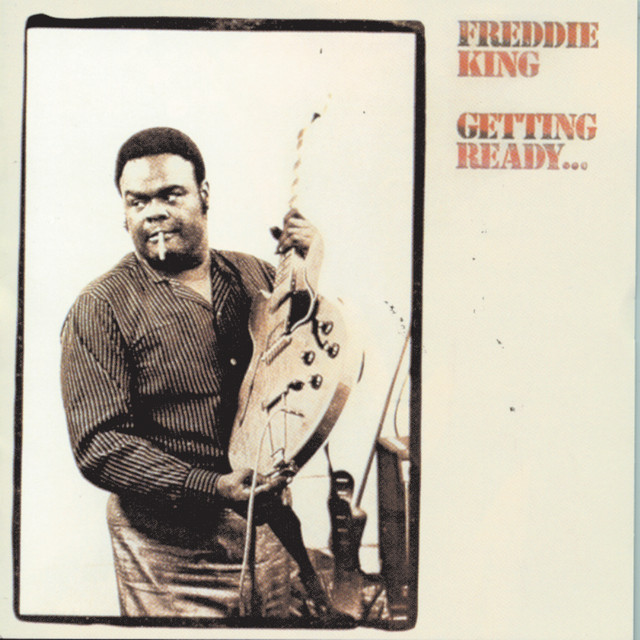
Getting Ready...
Freddie King
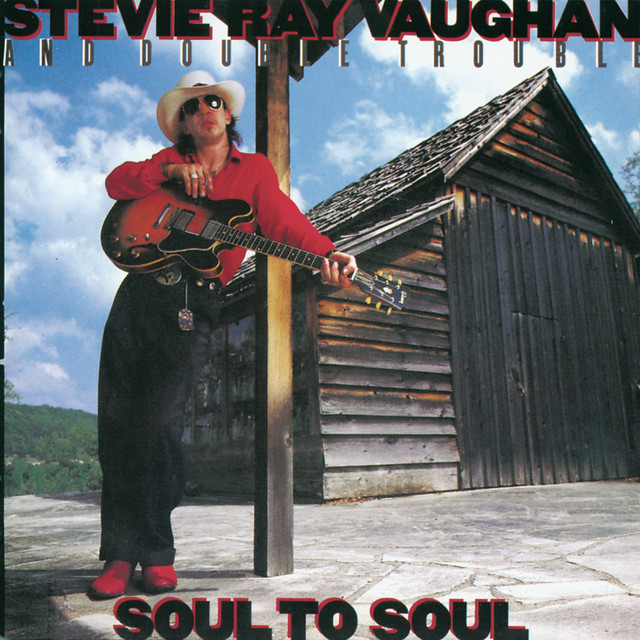
1985
Soul to Soul
Stevie Ray Vaughan and Double Trouble
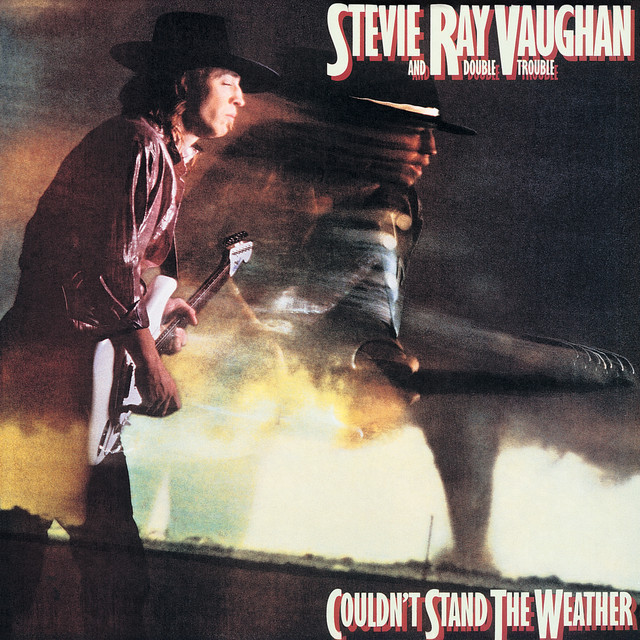
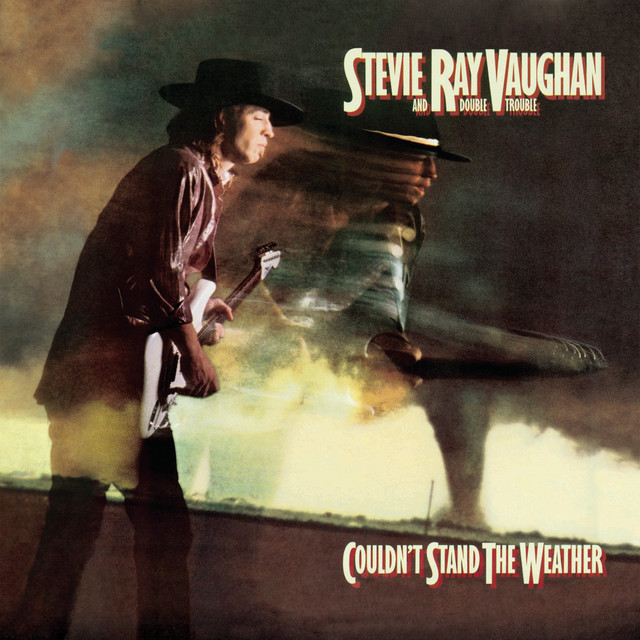
1984
Couldn't Stand the Weather
Stevie Ray Vaughan and Double Trouble
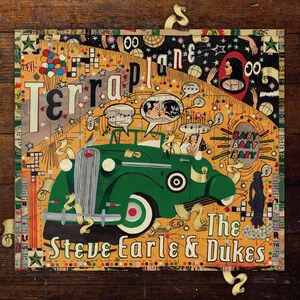
2015
Terraplane
Steve Earle & The Dukes
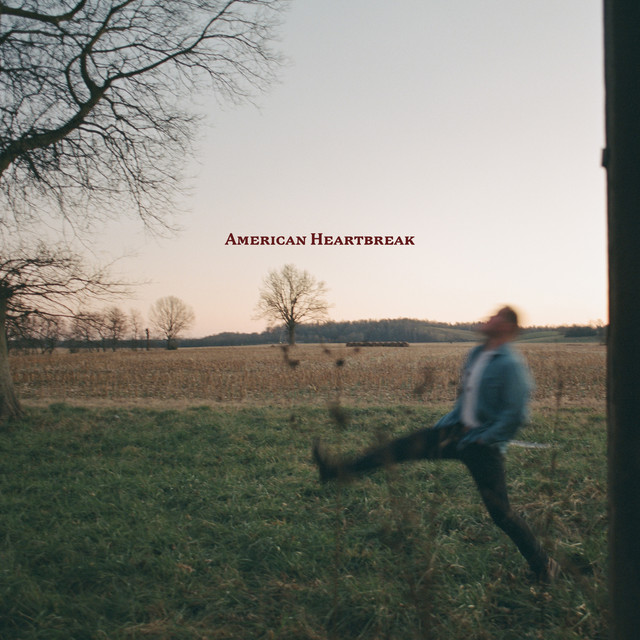
2022
American Heartbreak
Zach Bryan
2024
Ain't No Love In Oklahoma (From Twisters: The Album)
Luke Combs
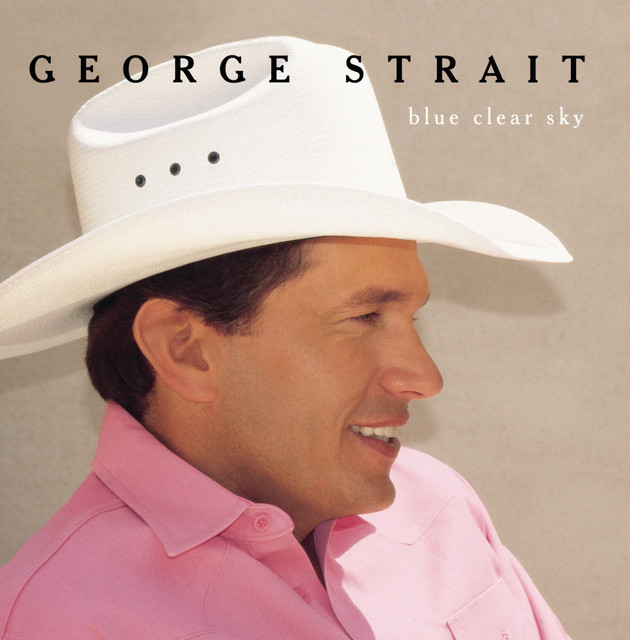
1996
Blue Clear Sky
George Strait
1984
Couldn't Stand The Weather (Legacy Edition)
Stevie Ray Vaughan
Download our mobile app
Get the Melodigging app and start digging for new genres on the go
Download on the App Store
Get it on Google Play
© 2026 Melodigging
Give feedback
Legal
Melodding was created as a tribute to
Every Noise at Once
, which inspired us to help curious minds keep digging into music's ever-evolving genres.