Genres
Make Music
Artists
Albums
Challenges
Sign in
Sign in
Albums
By Fursaxa
Albums
By Fursaxa
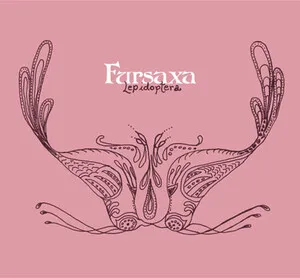
Lepidoptera
March 28, 2005
Listen
1
/5
Genres
Wyrd Folk
Wyrd folk is a contemporary, experimental strain of folk that blends traditional balladry and acoustic instrumentation with psychedelia, ritualistic drones, and a subtly uncanny, pastoral mood. It often sounds intimate and handmade—fingerpicked guitars, harmoniums, fiddles, flutes, and dulcimers are common—yet it introduces tape hiss, room ambience, drones, and spectral harmonies to tilt the sound toward the otherworldly. The style draws on British and Celtic folk idioms, the 1960s/70s acid-folk lineage, and the early-2000s “new weird” movement. Lyrics tend to reference folklore, landscape, esoterica, and myth; forms may be circular or chant-like, encouraging a trancey, contemplative state rather than a conventional verse–chorus release. The result is music that feels both ancient and modern: rustic in timbre, but unafraid of collage, ambience, and experimental arrangement.
Discover
Listen
Folk Rock
Folk rock is a fusion genre that blends the narrative lyricism, modal melodies, and acoustic timbres of traditional folk with the backbeat, amplification, and song structures of rock. It typically pairs acoustic or traditional instruments (acoustic guitar, mandolin, fiddle) with a rock rhythm section (electric guitar, bass, drums), often featuring chiming 12‑string guitar textures, close vocal harmonies, and socially conscious or storytelling lyrics. The result ranges from intimate, reflective ballads with a steady backbeat to more anthemic, roots‑driven rock. Emerging in the mid‑1960s through artists such as Bob Dylan and The Byrds, folk rock became a gateway for traditional and roots materials to enter mainstream popular music, and it seeded later movements from country rock and Americana to jangle pop and modern indie folk.
Discover
Listen
Experimental
Experimental music is an umbrella term for practices that prioritize exploration, process, and discovery over adherence to established genre norms. It embraces new sound sources, nonstandard tuning systems, indeterminacy and chance operations, graphic and open-form scores, extended techniques, and technology-led sound design (tape, electronics, computers, and live processing). Rather than a single style, it is a methodology and ethos: testing hypotheses about sound, structure, and performance, often blurring boundaries between composition, improvisation, sound art, and performance art. Listeners can expect unfamiliar timbres, unusual forms, and an emphasis on how music is made as much as the resulting sound.
Discover
Listen
Rock
Rock is a broad family of popular music centered on amplified instruments, a strong backbeat, and song forms that foreground riffs, choruses, and anthemic hooks. Emerging from mid‑20th‑century American styles like rhythm & blues, country, and gospel-inflected rock and roll, rock quickly expanded in scope—absorbing folk, blues, and psychedelic ideas—while shaping global youth culture. Core sonic markers include electric guitar (often overdriven), electric bass, drum kit emphasizing beats 2 and 4, and emotive lead vocals. Rock songs commonly use verse–chorus structures, blues-derived harmony, and memorable melodic motifs, ranging from intimate ballads to high‑energy, stadium‑sized performances.
Discover
Listen
Similar albums
1996
Beauty Reaps the Blood of Solitude
Nature and Organisation
1995
Yenisei-Punk
Yat-Kha
1968
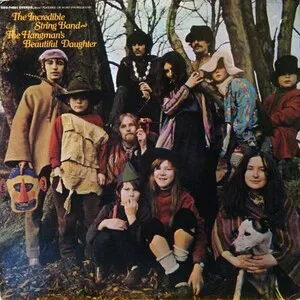
The Hangman's Beautiful Daughter
The Incredible String Band
1992
Thunder Perfect Mind
Current 93
2006
II
Espers
2020
The Weed Tree
Espers
2020
Espers
Espers
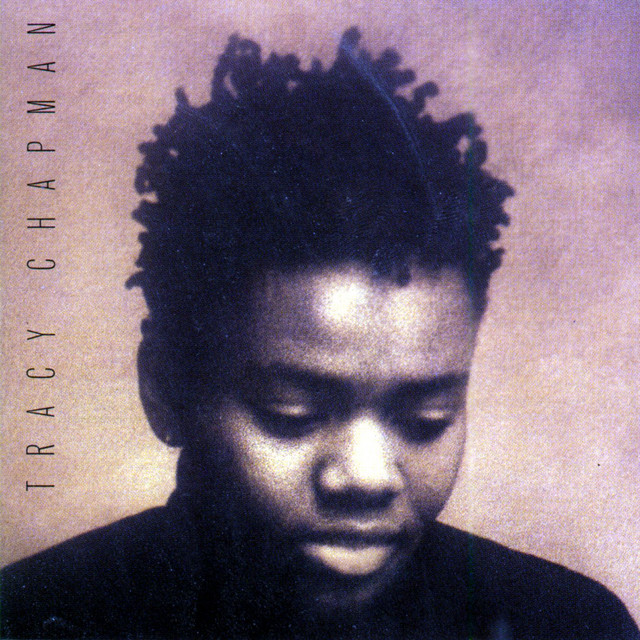
1988
Tracy Chapman
Tracy Chapman
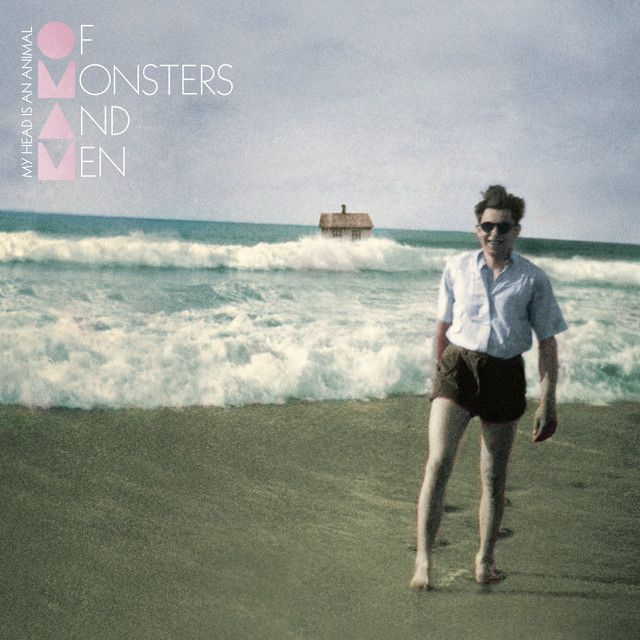
2012
My Head Is An Animal
Of Monsters and Men
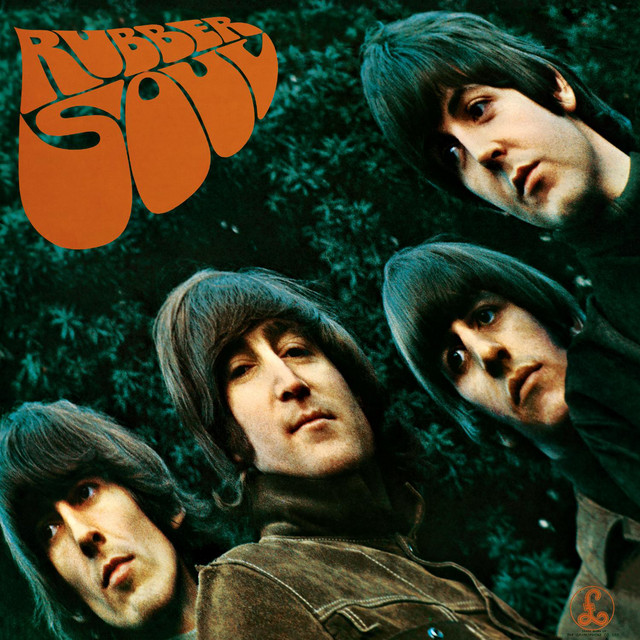
1965
Rubber Soul
The Beatles
Download our mobile app
Get the Melodigging app and start digging for new genres on the go
Download on the App Store
Get it on Google Play
© 2026 Melodigging
Give feedback
Legal
Melodding was created as a tribute to
Every Noise at Once
, which inspired us to help curious minds keep digging into music's ever-evolving genres.