Genres
Make Music
Artists
Albums
Challenges
Sign in
Sign in
Albums
By Le Mystère des Voix Bulgares
Albums
By Le Mystère des Voix Bulgares
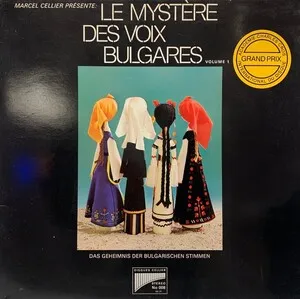
Le mystère des voix bulgares : volume 1
April 1, 1986
Listen
2
/5
Genres
Balkan Music
Balkan music is a broad umbrella for the traditional and popular musics of the Balkan Peninsula, characterized by asymmetrical (aksak) meters, modal melodies, and richly ornamented, often heterophonic ensemble textures. Typical instruments include gaida (bagpipe), kaval and zurla/zurna (flutes/oboes), tapan (large double-headed drum), tambura (long-necked lute), violin, clarinet, and—especially in brass traditions—trumpet, tuba, and baritone horn. Vocal styles range from raw, open-throated village singing to refined urban romances such as sevdalinka. The melodic language often draws on Ottoman/Turkic maqam and Byzantine liturgical modalities (e.g., Hijaz/Phrygian-dominant flavors), with microtonal inflections and copious ornamentation. Dances like kolo, oro, horo, and čoček are central, and songs frequently address love, weddings, migration, and local heroism.
Discover
Listen
Polyphonic Chant
Polyphonic chant is a sacred vocal tradition in which two or more independent voices sing liturgical material at the same time, creating vertical harmony from originally monophonic chant. Emerging from the practice of adding a second voice to chant (organum), it favors perfect consonances (fourths, fifths, and octaves) and often places a sustained chant line (tenor) beneath more florid upper parts. In its classic medieval Western form, it is unaccompanied (a cappella), modal rather than tonal, and frequently governed by rhythmic modes. While the Notre Dame school in Paris codified much of its technique, related polyphonic chant practices also exist in other liturgical cultures (e.g., Georgian and Corsican traditions), each with distinctive sonorities and voice-leading norms.
Discover
Listen
European Music
“European music” is a broad umbrella covering the historical and regional practices that developed across the European continent, from medieval sacred chant and courtly song to folk traditions, art (classical) music, and later popular and electronic styles. Common threads include the codification of staff notation, the development of modal and later tonal harmony, the use of structured forms (e.g., mass, motet, madrigal; sonata, symphony, opera; verse–chorus song), and a rich palette of instruments culminating in the modern orchestra and various regional folk ensembles. While extremely diverse from region to region, European music is marked by a continuous dialogue between sacred and secular practices, learned written traditions and oral folk idioms, and later between art music and mass-market popular genres.
Discover
Listen
Similar albums
1997
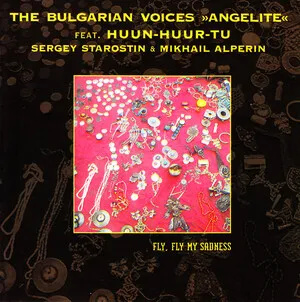
Fly, Fly My Sadness
The Bulgarian Voices Angelite, Huun-Huur-Tu, Sergey Starostin Сергей Старостин…
1988
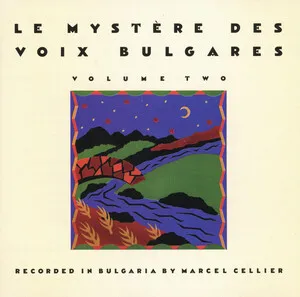
Le mystère des voix bulgares : volume 2
Le Mystère des Voix Bulgares
1994
Ritual
Le Mystère des Voix Bulgares
1990
Le mystère des voix bulgares : volume 3
Le Mystère des Voix Bulgares
1981
The Goldberg Variations
Johann Sebastian Bach / Glenn Gould
1987
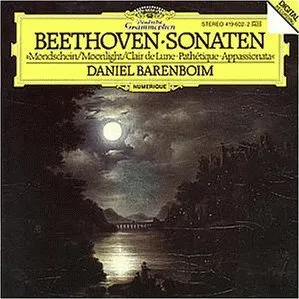
Sonaten: Mondschein; Pathétique; Appassionata
Ludwig van Beethoven / Daniel Barenboim
1999
Kayah i Bregović
Kayah & Goran Bregović
1987
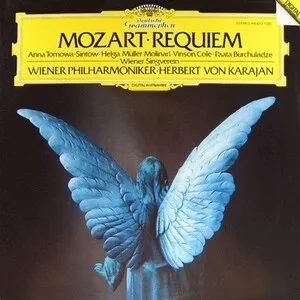
Requiem
Wolfgang Amadeus Mozart / Franz Xaver Süssmayr
1989
The Brandenburg Concertos
Johann Sebastian Bach / Orchestra of the Age of Enlightenment
1975
Klavierkonzerte Nr. 20 & 21
Wolfgang Amadeus Mozart
Download our mobile app
Get the Melodigging app and start digging for new genres on the go
Download on the App Store
Get it on Google Play
© 2026 Melodigging
Give feedback
Legal
Melodding was created as a tribute to
Every Noise at Once
, which inspired us to help curious minds keep digging into music's ever-evolving genres.