Genres
Make Music
Artists
Albums
Challenges
Sign in
Sign in
Albums
By Lightnin' Hopkins
Albums
By Lightnin' Hopkins
Last Night Blues
January 1, 1992
Listen
2
/5
Genres
Acoustic Texas Blues
Acoustic Texas blues is a prewar, guitar-centered branch of the blues that emerged from Texas itinerant musicians in the 1920s. Compared with the Delta style, it often features a looser sense of meter, a conversational vocal delivery, and a light, swinging feel. Guitar parts combine alternating-thumb bass, ragtime syncopation, and lyrical single-note runs, with frequent use of open strings, drones, and flexible bar counts. The style ranges from secular “songster” repertoire to sacred, gospel-inflected pieces. Instruments are primarily acoustic—steel-string flattop or 12‑string guitar—with occasional slide, harmonica, quills (panpipes), and simple percussion (foot stomps). Common forms include irregular or free-time stanzas as well as 8‑ and 12‑bar blues built on I–IV–V harmony, and keys like E or A that favor open-string resonance.
Discover
Listen
Acoustic Blues
Acoustic blues is a family of blues styles performed on non-amplified instruments, most commonly solo voice with acoustic guitar and, at times, harmonica. It emphasizes raw, intimate timbres; elastic vocal phrasing; and guitar techniques such as fingerpicking, alternating-bass patterns, and bottleneck slide. Rooted in African American folk traditions of the U.S. South, acoustic blues typically favors small-scale, conversational performance practice—call-and-response between voice and guitar, expressive "blue notes," and lyrics in the AAB stanza form. Substyles include Delta blues (driving, slide-heavy), Piedmont blues (ragtime-influenced fingerpicking), and Texas blues (looser, narrative-driven playing).
Discover
Listen
Country Blues
Country blues—also called rural blues or folk blues—is the earliest widely documented form of the blues, rooted in the everyday music-making of African Americans in the rural American South. It typically features a solo singer accompanying themselves on acoustic guitar, with flexible time, expressive vocal delivery, and abundant use of blue notes. While 12‑bar structures are common, country blues often stretches or compresses measures to fit the lyric, making phrasing elastic and conversational. Regional flavors emerged—Delta (driving, droning thumb bass and slide), Piedmont (ragtime‑inflected fingerpicking), and Texas (looser phrasing and single‑string leads)—but all share storytelling lyrics about work, travel, love, hardship, and spiritual longing.
Discover
Listen
Texan Music
Texan music is a regional umbrella that blends Anglo-American country and western, African American blues and gospel, and Mexican/Tejano traditions into a distinctive sound shaped by Texas dancehalls, border culture, and a strong independent ethos. Across its many strands you will hear fiddles and steel guitar alongside Telecaster leads, accordions and bajo sexto, shuffling Texas blues backbeats, and the two-step polka and waltz rhythms brought by German and Czech immigrants. Storytelling is central: songs chronicle ranch and refinery work, open roads, honky-tonks, and life along the Rio Grande, often in plainspoken, image-rich lyrics. The result ranges from intimate singer‑songwriter ballads to big-band Western swing, from Tejano and Tex‑Mex dance music to gritty electric blues and country outlaw swagger.
Discover
Listen
American Folk Music
American folk music is a broad family of traditional and vernacular musics that developed in the United States from the 19th century onward, drawing on British Isles balladry, African American spirituals and work songs, Native American traditions, and frontier songs. It is typically acoustic, emphasizing voice and narrative over virtuoso display. Common instruments include acoustic guitar, banjo, fiddle, harmonica, mandolin, dulcimer, and upright bass. Forms are often strophic with repeated refrains, and melodies frequently use pentatonic or modal scales (Mixolydian, Dorian). Lyrical themes range from love, labor, faith, migration, and rural life to topical protest and social justice. Regional styles—such as Appalachian ballads and string-band music, cowboy songs of the West, maritime shanties of New England, Cajun and Creole influences in Louisiana, and Midwestern and Southwestern dance tunes—sit under the umbrella of American folk, which later fed revivals and singer‑songwriter traditions.
Discover
Listen
Similar albums
1991
Soul Blues
Lightnin' Hopkins
1962
Mojo Hand
Lightnin' Hopkins
1992
Lightnin'
Lightnin' Hopkins
1962
Lightnin' Strikes
Lightnin' Hopkins
2018
Lightnin' Hopkins
Lightnin' Hopkins
1989
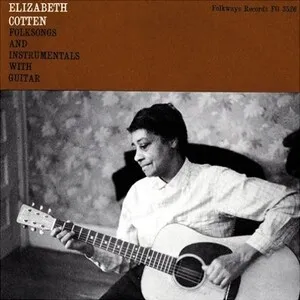
Folksongs and Instrumentals With Guitar
Elizabeth Cotten
1992
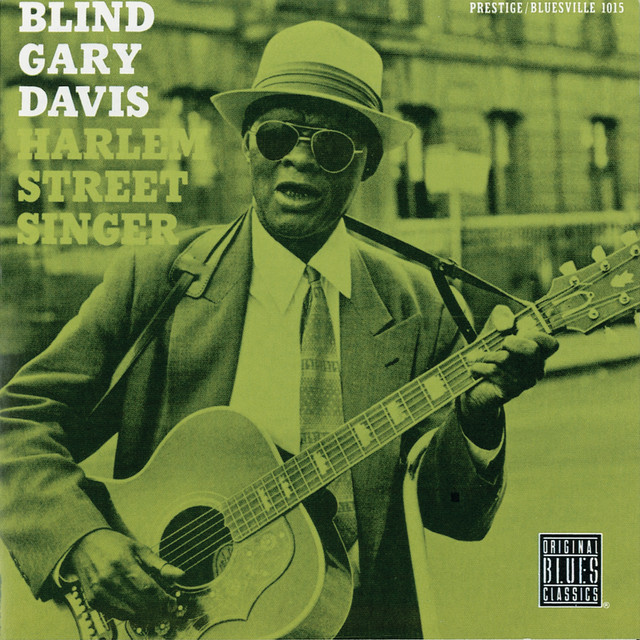
Harlem Street Singer
Blind Gary Davis
2004
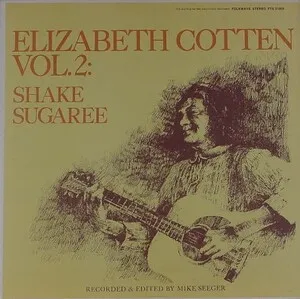
Vol. 2: Shake Sugaree
Elizabeth Cotten
1991
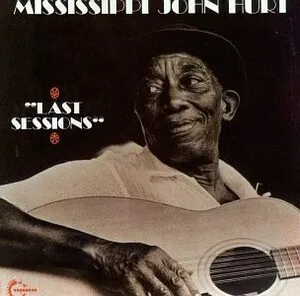
Last Sessions
Mississippi John Hurt
1994
Leadbelly's Last Sessions Volume One
Leadbelly
Download our mobile app
Get the Melodigging app and start digging for new genres on the go
Download on the App Store
Get it on Google Play
© 2026 Melodigging
Give feedback
Legal
Melodding was created as a tribute to
Every Noise at Once
, which inspired us to help curious minds keep digging into music's ever-evolving genres.