Genres
Make Music
Artists
Albums
Challenges
Sign in
Sign in
Albums
Albums
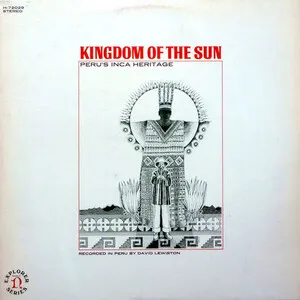
Kingdom of the Sun: Fiestas of Peru
June 15, 1988
Listen
1
/5
Genres
Huayno
Huayno (Quechua: waynu/wayno) is a traditional Andean music and dance style that took modern shape in the Peruvian highlands and spread across Bolivia and Ecuador. It is marked by brisk duple-meter rhythms with a strong downbeat, bright pentatonic melodies, and emotive vocals often sung in Quechua and Spanish. Typical ensembles feature charango and guitar strumming patterns, soaring quena (Andean flute) and siku (panpipes), lyrical violin or harp lines, and driving bombo or wankara drum pulses. The dance uses lively stomping steps and turns, reflecting festive community gatherings, courtship, and rural life. Regional variants include the fast, celebratory Huaylas (central highlands), the yaraví-inflected, tender huayno ayacuchano (Ayacucho), and the panpipe- and charango-rich wayno sureño (Cusco–Puno). Lyrical themes span love and longing, migration, indigenous pride, and everyday joys and hardships.
Discover
Listen
Peruvian Music
Peruvian music is a richly syncretic umbrella that blends Indigenous Andean traditions, Spanish/Iberian song and dance forms, and West/Central African rhythms and instruments brought during the colonial era. Across Peru’s diverse regions, coastal música criolla (e.g., valses and marinera) emphasizes guitars, intricate strumming, and poetic décimas; Afro‑Peruvian styles (festejo, landó) center on polyrhythms, call‑and‑response, and hallmark percussion such as the cajón, cajita, and quijada de burro; highland Andean genres (huayno, harawi, yaraví, huaylarsh) foreground quena and zampoña (siku) flutes, charango, harp, and pentatonic melodies; and the Amazon basin pioneered psychedelic/organ‑driven cumbia amazónica and later chicha—electrified hybrids that carry Andean melody into an urban dance setting. Performed in Spanish and Indigenous languages (Quechua, Aymara, and Amazonian tongues), Peruvian music moves between communal dance, ritual functions, and intimate song, balancing nostalgia and celebration with rhythmic vitality.
Discover
Listen
Indigenous Andean Music
Indigenous Andean music refers to the ceremonial, communal, and dance music of Quechua, Aymara, and other native peoples of the Andean highlands of present-day Peru, Bolivia, Ecuador, northern Chile, and northwestern Argentina. It is characterized by panpipe ensembles (siku/zampoña, antara), end-blown flutes (quena, pinkillu), block flutes (tarka), large double-headed drums (wankara/bombo), and—since the colonial period—the charango. Ensembles often play in interlocking pairs (ira/arca), creating hocketed melodies, dense heterophony, and a powerful collective sound suitable for processions and open-air festivals. Melodically, pentatonic and hexatonic scales are common, with flexible, non-equal-tempered tunings. Rhythms favor duple meters (2/4) and 6/8 feels, with frequent sesquialtera (3:2) interplay that drives circle and line dances. Vocals tend toward group singing, call-and-response, and timbres that prioritize projection in outdoor contexts. The music is inseparable from agricultural cycles, community identity (ayllu), and ritual calendars.
Discover
Listen
Similar albums
2007
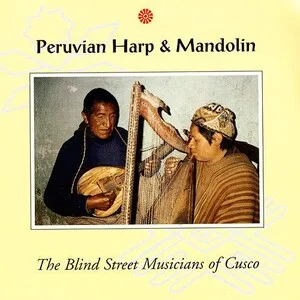
Peruvian Harp & Mandolin
The Blind Street Musicians of Cusco
2011
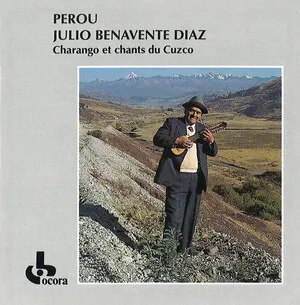
Pérou: Charango et chants du Cuzco
Julio Benavente Díaz
1991
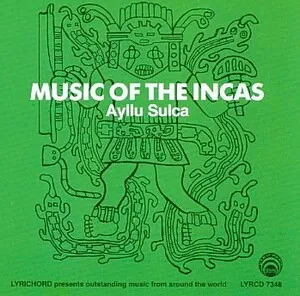
Music of the Incas
Ayllu Sulca
1976
Bolivia
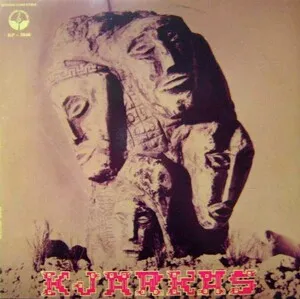
Kjarkas
1968
Bolivia con Los Jairas
Los Jairas
1985
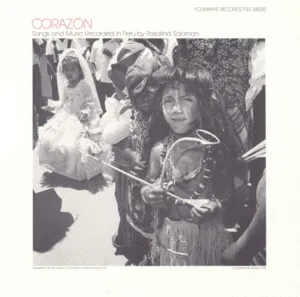
Corazón: Songs and Music Recorded in Peru by Rosalind Solomon
1966
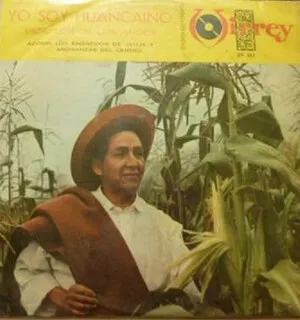
Yo soy Huancaíno
Picaflor de los Andes
1973
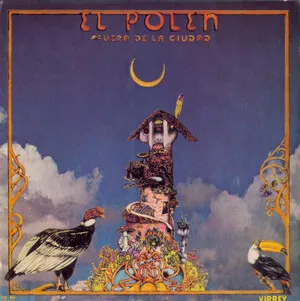
Fuera de la ciudad
El Polen
2007
La Amante
Grupo 5
2025
Montagem Miau
Lenar
Download our mobile app
Get the Melodigging app and start digging for new genres on the go
Download on the App Store
Get it on Google Play
© 2026 Melodigging
Give feedback
Legal
Melodding was created as a tribute to
Every Noise at Once
, which inspired us to help curious minds keep digging into music's ever-evolving genres.