Genres
Make Music
Artists
Albums
Challenges
Sign in
Sign in
Albums
By Biermösl Blosn
Albums
By Biermösl Blosn
Jodelhorrormonstershow
1990
Listen
1
/5
Genres
Neue Volksmusik
Neue Volksmusik (literally “new folk music”) is a contemporary Alpine/DACH movement that refreshes German‑language folk idioms with rock, pop, hip hop, brass‑band energy, and electronic production. It keeps the timbres and dialects of regional traditions—accordion, brass, yodel inflections, waltz and polka grooves—while adopting modern song forms, backbeats, and festival‑ready arrangements. Unlike volkstümliche Musik (the glossy, Schlager‑leaning TV style), Neue Volksmusik tends to be roots‑aware but adventurous: it mixes dialect lyrics with contemporary topics, embraces stage‑shaking brass riffs, and is comfortable placing a zither or Styrian harmonica alongside drum kits, synthesizers, or rap verses. The result is music that is local in color yet cosmopolitan in palette, equally at home at village fêtes and international festivals.
Discover
Listen
Pop
Pop is a broad, hook-driven style of popular music designed for wide appeal. It emphasizes memorable melodies, concise song structures, polished vocals, and production intended for radio, charts, and mass media. While pop continually absorbs elements from other styles, its core remains singable choruses, accessible harmonies, and rhythmic clarity. Typical forms include verse–pre-chorus–chorus, frequent use of bridges and middle-eights, and ear-catching intros and outros. Pop is not defined by a single instrumentation. It flexibly incorporates acoustic and electric instruments, drum machines, synthesizers, and increasingly digital production techniques, always in service of the song and the hook.
Discover
Listen
Folk
Folk is a song-centered acoustic tradition rooted in community storytelling, everyday life, and social history. It emphasizes clear melodies, simple harmonies, and lyrics that foreground narrative, protest, and personal testimony. As a modern recorded genre, folk coalesced in the early-to-mid 20th century in the United States out of older ballad, work song, and rural dance traditions. It typically features acoustic instruments (guitar, banjo, fiddle, mandolin, harmonica), strophic song forms, and participatory singing (choruses, call-and-response).
Discover
Listen
Kabarett
Kabarett is the German-language tradition of intimate, satirical stage entertainment that blends song, spoken word, sketches, and sharp political or social commentary. It typically takes place in small venues with close audience contact, privileging witty lyrics, irony, and wordplay over spectacle. Emerging in Berlin and Munich in the early 20th century and flourishing during the Weimar Republic, Kabarett developed a literary and musical voice that alternates between biting humor and melancholic reflection. Performers often sing strophic chansons accompanied by piano or small ensemble, interweaving monologues, parodies, and topical satire to critique power, hypocrisy, and everyday life.
Discover
Listen
Gstanzl
Gstanzl is an improvised, humorous Alpine song form consisting of short, witty four-line stanzas sung in Bavarian–Austrian dialects. It thrives at village dances, taverns, and festivals, where singers deliver playful teasing, social satire, flirtation, and local commentary over familiar folk-dance tunes. Performers often insert yodel refrains and engage in friendly "dueling" exchanges of verses. Musically, Gstanzl rides on simple, catchy melodies—often related to Ländler, polka, or waltz rhythms—accompanied by accordion (Steirische Harmonika), zither, guitar, or small brass/strings. The punchline typically lands in the final line, and the best singers are prized for sharp wordplay, timing, and crowd rapport.
Discover
Listen
German Folk Music
German folk music (Deutsche Volksmusik) is the traditional music of German-speaking regions, encompassing rural dance tunes, narrative ballads, dialect songs, and communal singing traditions. It is typically performed with acoustic instruments such as diatonic button accordion (Steirische Harmonika), zither, hammered dulcimer (Hackbrett), fiddle, clarinet, guitar, double bass, and, in many regions, brass band instruments. Stylistically, it includes dance forms such as Ländler (3/4), Waltz (3/4), Polka (2/4), Schottische (4/4), Rheinländer (2/4), and the Bavarian Zwiefacher (alternating 3/4 and 2/4). Vocal traditions range from narrative and humorous couplet songs to yodeling (Jodeln) in the Alpine areas and Low German (Plattdeutsch) song in the north. Over time, German folk music evolved along two parallel lines: an "authentic" regional practice centered on social dance and local ensembles (Stubnmusi/Tanzlmusi) and a popularized, media-friendly form (volkstümliche Musik) that intersected with Schlager and television entertainment, while later revivals blended folk with rock, pop, and brass idioms (Neue Volksmusik).
Discover
Listen
Similar albums
2025
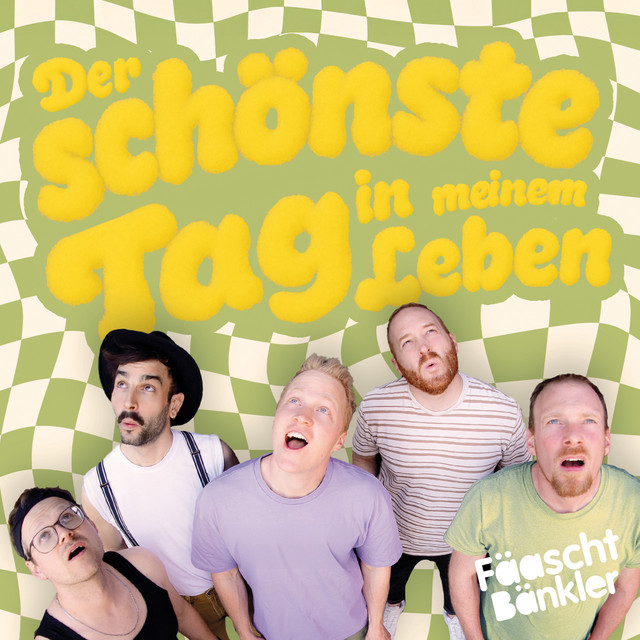
Der schönste Tag in meinem Leben
Fäaschtbänkler
2017
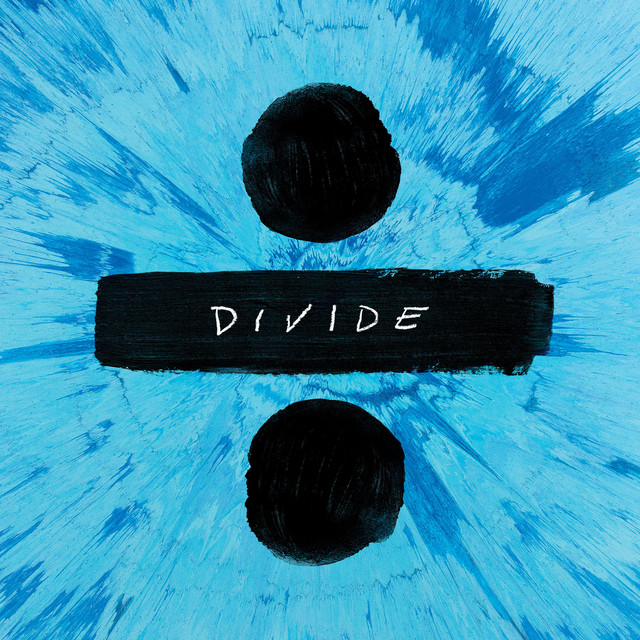
÷ (Deluxe)
Ed Sheeran
1998
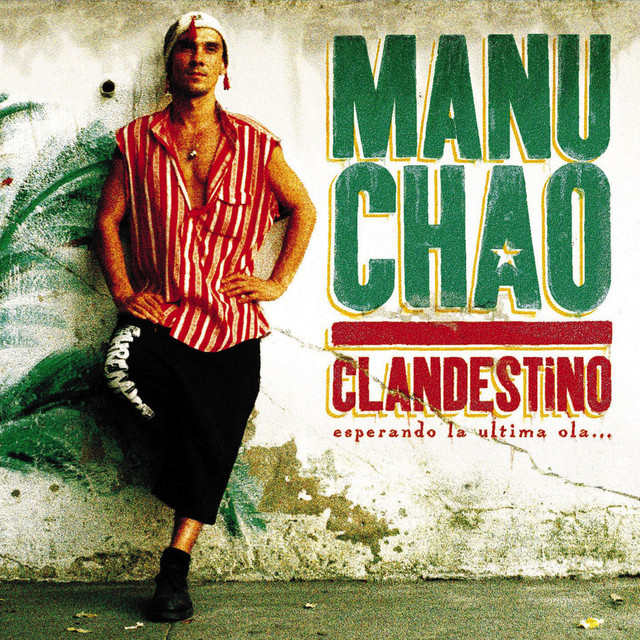
Clandestino
Manu Chao
2023
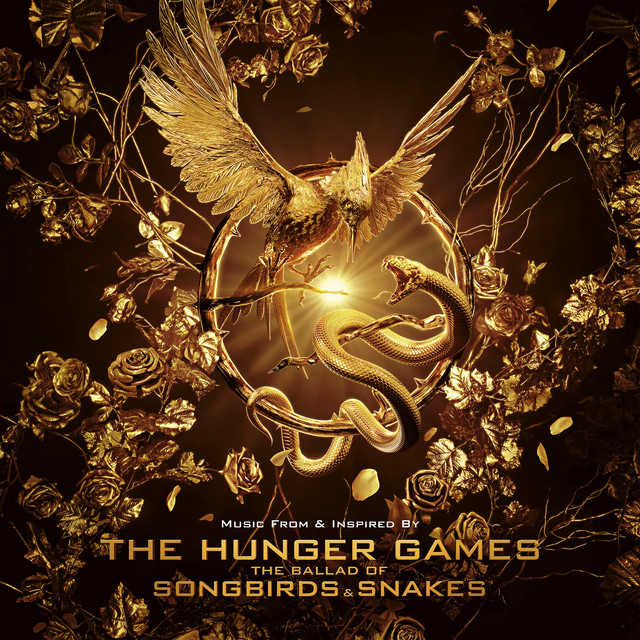
The Hunger Games: The Ballad of Songbirds & Snakes (Music From & Inspired By)
Billy Strings
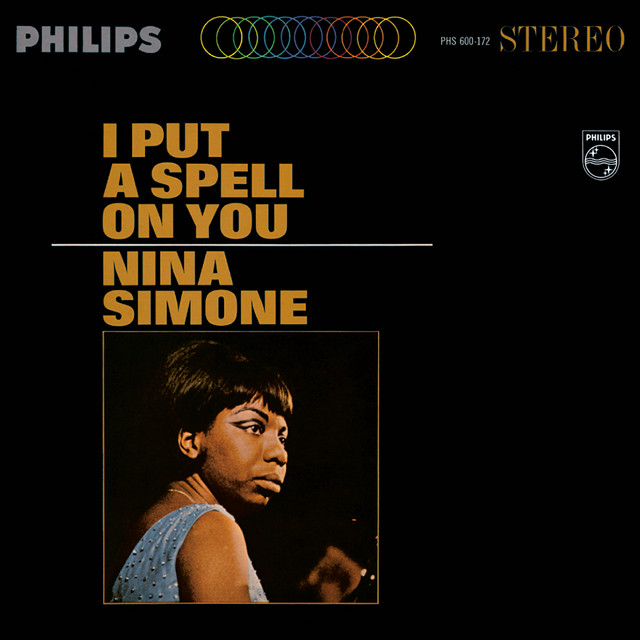
1965
I Put a Spell on You
Nina Simone
1993
Facing Future
Israel "IZ" Kamakawiwoʻole
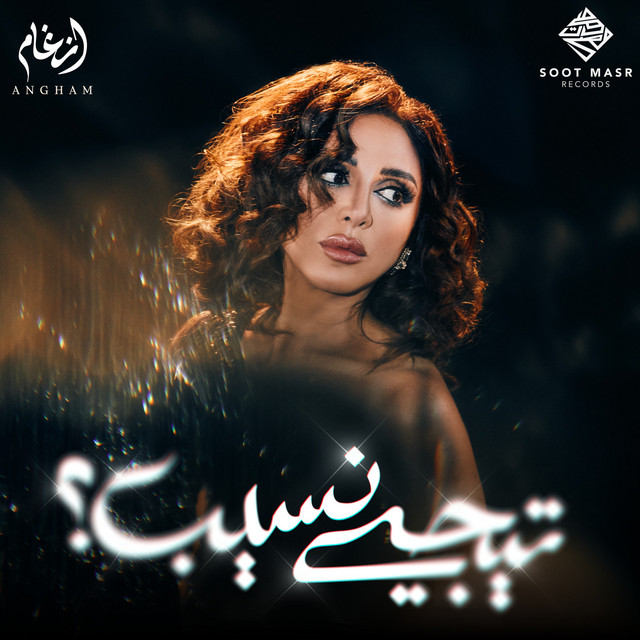
2024
تيجي نسيب
Angham
2021
That Funny Feeling
Phoebe Bridgers
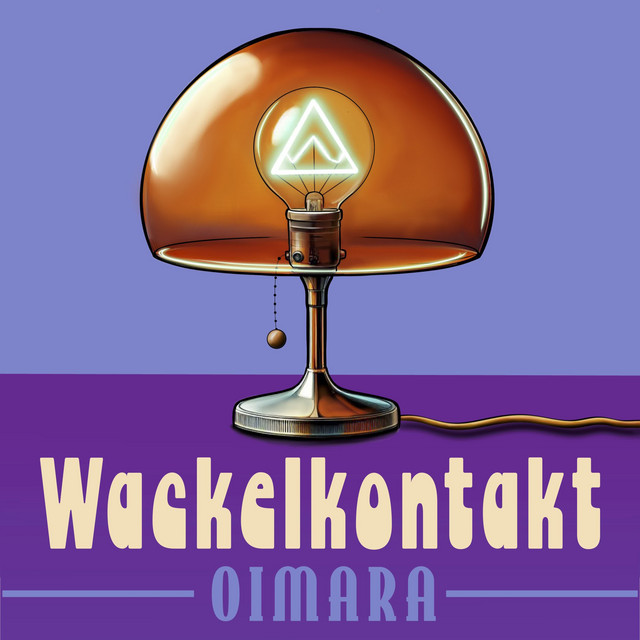
2024
Wackelkontakt
Oimara
2020
Lianne La Havas
Lianne La Havas
Download our mobile app
Get the Melodigging app and start digging for new genres on the go
Download on the App Store
Get it on Google Play
© 2026 Melodigging
Give feedback
Legal
Melodding was created as a tribute to
Every Noise at Once
, which inspired us to help curious minds keep digging into music's ever-evolving genres.