Genres
Make Music
Artists
Albums
Challenges
Sign in
Sign in
Albums
By Lifetime
Albums
By Lifetime
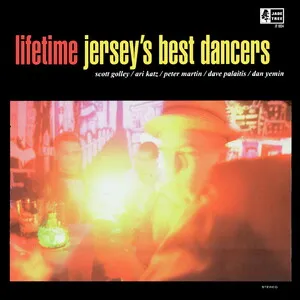
Jersey's Best Dancers
June 10, 1997
Listen
2
/5
Genres
New Brunswick Basement Scene
The New Brunswick basement scene refers to the long-running, DIY network of house shows centered around New Brunswick, New Jersey (especially near Rutgers University), where bands perform in residential basements rather than formal venues. Rooted in punk, hardcore, pop punk, emo, and indie rock, the scene prioritizes community, accessibility, and self-sufficiency: all-ages shows, low cover charges, hand-made flyers, and word-of-mouth addresses. Sonically, it spans fast, cathartic punk and hardcore sets to emotive, hook-forward indie and pop punk, with raw, close-mic’d recordings that reflect small, crowded spaces. Culturally, the scene is as much about ethos as sound—booking each other’s bands, releasing tapes and 7-inches, and sustaining a rotating ecosystem of short-lived houses and collectives that continually renew the local music pipeline.
Discover
Listen
Melodic Hardcore
Melodic hardcore is a subgenre of hardcore punk that fuses the speed, urgency, and ethics of hardcore with tuneful guitar writing and anthemic vocal lines. It retains the genre’s high-energy drumming, shouted delivery, and communal “gang vocals,” but foregrounds memorable melodies, octave leads, and minor-key harmonies. Compared to pop punk, melodic hardcore is generally harsher in tone, faster in tempo, and more lyrically introspective, often addressing personal struggle, perseverance, community, and social conscience. It sits between classic hardcore’s rawness and post-hardcore’s dynamics, offering emotionally charged songs that still hit with punk immediacy.
Discover
Listen
Emo
Emo is a rock subgenre that emerged from the mid-1980s Washington, D.C. hardcore punk scene as “emotional hardcore” (often shortened to emocore). It retains punk’s urgency but foregrounds confessional, vulnerable lyrics and dramatic dynamic shifts. Across its eras, emo has encompassed several distinct sounds: the intense, cathartic D.C. style; the melodic, guitar‑intricate “Midwest emo” of the 1990s; and the 2000s mainstream wave that blended emo’s lyrical candor with pop‑punk hooks (often called “emo pop”). Common musical traits include intertwining clean and overdriven guitars, intricate arpeggios and counter‑melodies, elastic song structures, and vocals that range from intimate murmurs to raw, impassioned shouts.
Discover
Listen
Rock
Rock is a broad family of popular music centered on amplified instruments, a strong backbeat, and song forms that foreground riffs, choruses, and anthemic hooks. Emerging from mid‑20th‑century American styles like rhythm & blues, country, and gospel-inflected rock and roll, rock quickly expanded in scope—absorbing folk, blues, and psychedelic ideas—while shaping global youth culture. Core sonic markers include electric guitar (often overdriven), electric bass, drum kit emphasizing beats 2 and 4, and emotive lead vocals. Rock songs commonly use verse–chorus structures, blues-derived harmony, and memorable melodic motifs, ranging from intimate ballads to high‑energy, stadium‑sized performances.
Discover
Listen
Similar albums
2004
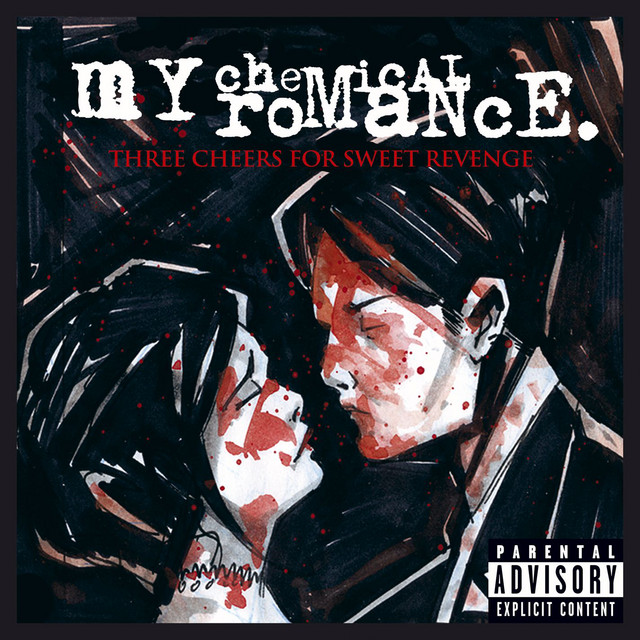
Three Cheers for Sweet Revenge
My Chemical Romance
1999
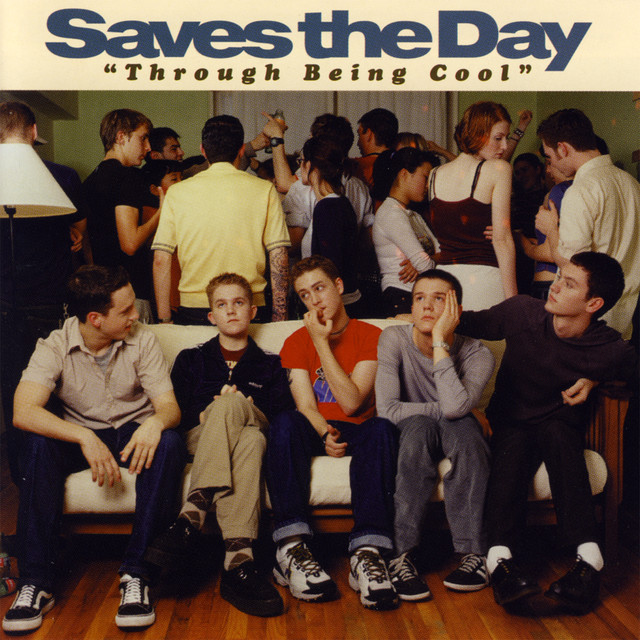
Through Being Cool
Saves the Day
2001
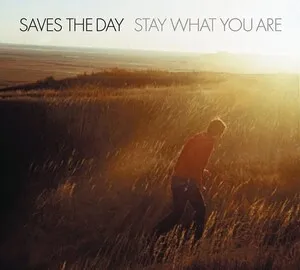
Stay What You Are
Saves the Day
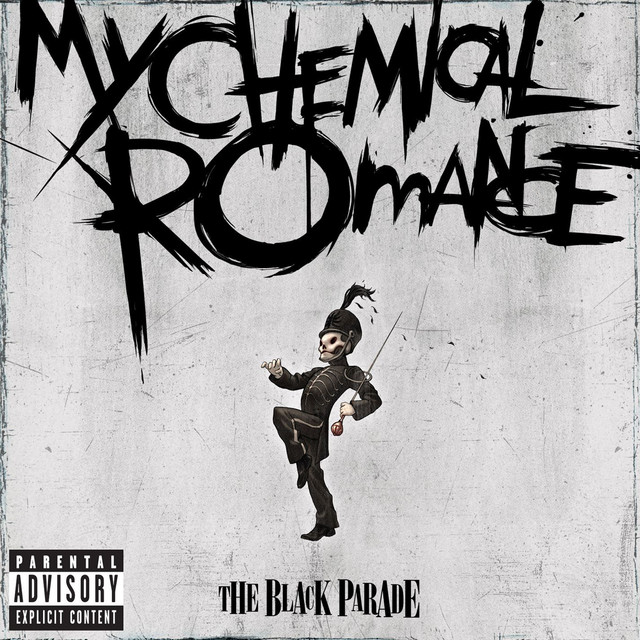
2006
The Black Parade
My Chemical Romance
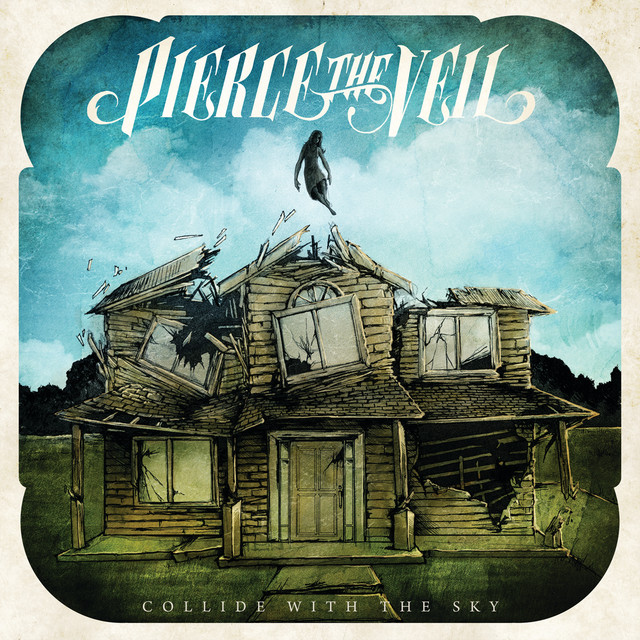
2012
Collide With the Sky
Pierce the Veil
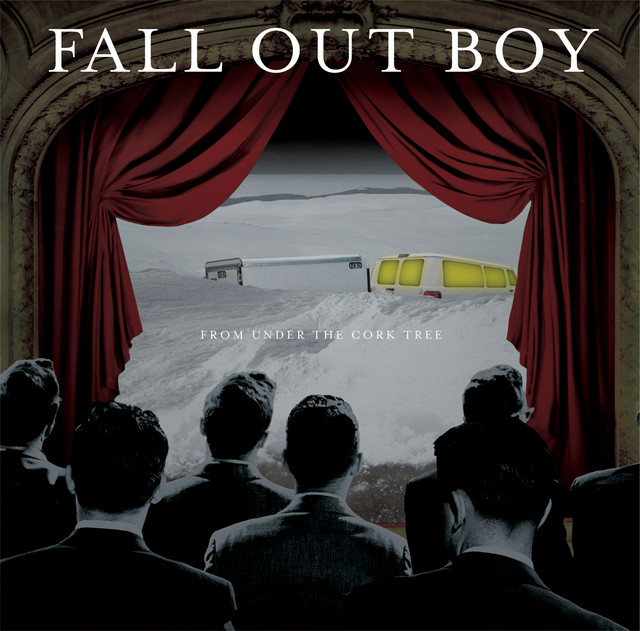
2005
From Under The Cork Tree
Fall Out Boy
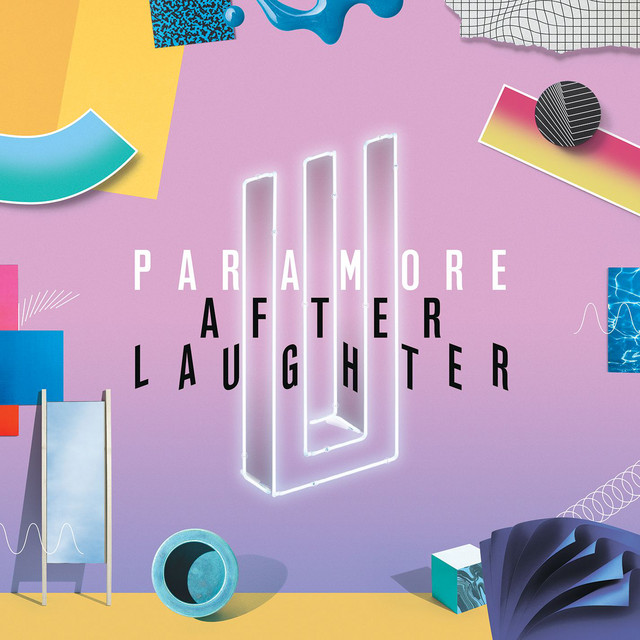
2017
After Laughter
Paramore
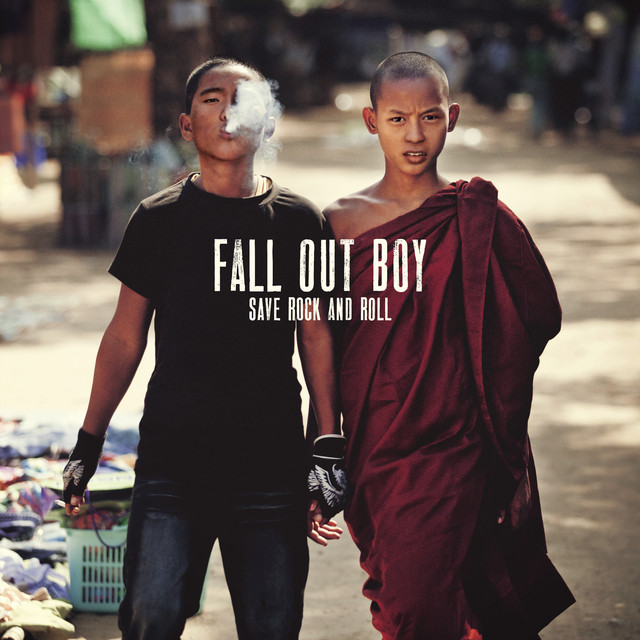
2013
Save Rock And Roll
Fall Out Boy
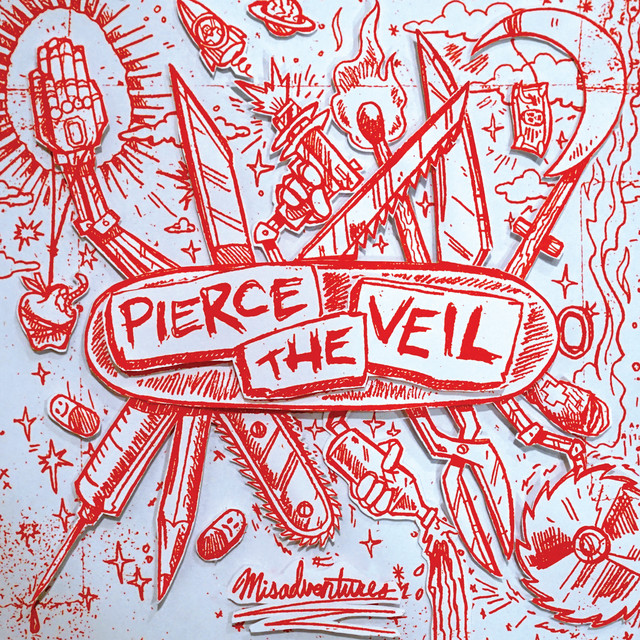
2016
Misadventures
Pierce The Veil
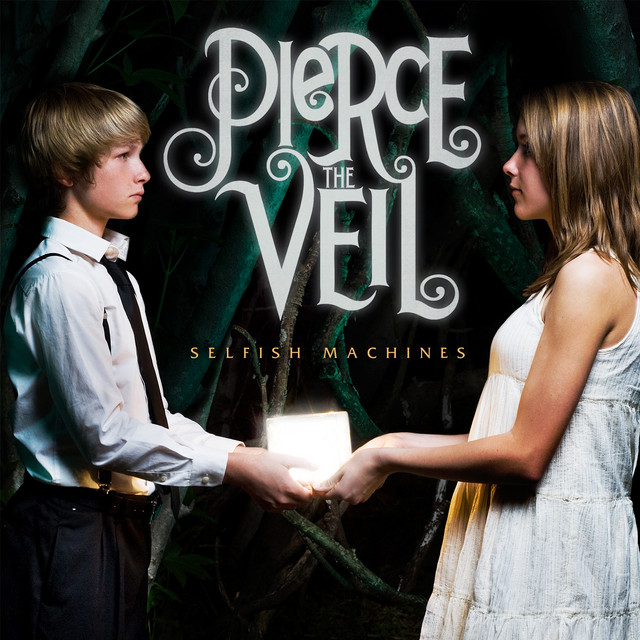
2010
Selfish Machines
Pierce the Veil
Download our mobile app
Get the Melodigging app and start digging for new genres on the go
Download on the App Store
Get it on Google Play
© 2026 Melodigging
Give feedback
Legal
Melodding was created as a tribute to
Every Noise at Once
, which inspired us to help curious minds keep digging into music's ever-evolving genres.