Genres
Make Music
Artists
Albums
Challenges
Sign in
Sign in
Albums
By Jordi Savall
Albums
By Jordi Savall
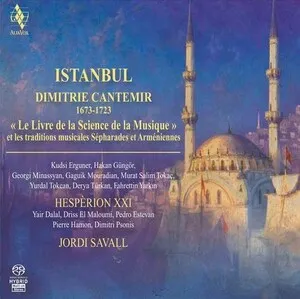
Istanbul: Dimitrie Cantemir 1673-1723 - "Le livre de la science de la musique" et les traditions musicales Sépharades e…
October 27, 2009
Listen
2
/5
Genres
Turkish Classical
Turkish classical (Ottoman/Turkish art music) is a refined modal art tradition centered on the makam (scale/melodic behavior) system and cyclical rhythms called usul. It developed in the Ottoman court, Mevlevi lodges, and urban salons, using an intimate chamber instrumentation (ney, tanbur, ud, kemençe, kanun, keman) and highly ornamented vocal lines. Compositions follow characteristic forms such as peşrev and saz semaisi (instrumental), as well as vocal forms like beste, kar, semai, yürük semai, and the later şarkı. Improvisation (taksim) introduces and connects sections, exploring the seyir (melodic path) of the chosen makam with nuanced microtonal inflections. Its aesthetic emphasizes subtle emotion, controlled ornamentation, and measured development, with repertoire spanning sacred (Mevlevi ayin) and secular works. The tradition balances composed structure and spontaneous improvisation, cultivated through the meşk (master–apprentice) pedagogy.
Discover
Listen
Turkish Music
Turkish music is a broad umbrella encompassing the courtly classical traditions of the Ottoman era, regional folk styles of Anatolia and Thrace, Sufi devotional practices, and modern popular forms that blend local aesthetics with global genres. Its classical core is organized by makam (melodic modes) and usul (cyclical rhythms), using microtonal intervals and rich ornamentation. Instruments such as oud (ud), tanbur, ney, kanun, bağlama (saz), kemençe, and a variety of frame and goblet drums are central. Folk idioms feature asymmetrical meters (like 9/8 or 7/8), call‑and‑response vocals, and dance forms like halay and çiftetelli. Since the 20th century, Turkish music has integrated Western harmony, orchestration, and production techniques, giving rise to arabesk, Anatolian rock, Turkish pop, and hip hop while maintaining the expressive depth and modal nuance characteristic of its older traditions.
Discover
Listen
Classical
Classical music is the notated art-music tradition of Europe and its global descendants, characterized by durable forms, carefully codified harmony and counterpoint, and a literate score-based practice. The term “classical” can refer broadly to the entire Western art-music lineage from the Medieval era to today, not just the Classical period (c. 1750s–1820s). It privileges long-form structures (such as symphonies, sonatas, concertos, masses, and operas), functional or modal harmony, thematic development, and timbral nuance across ensembles ranging from solo instruments to full orchestras and choirs. Across centuries, the style evolved from chant and modal polyphony to tonal harmony, and later to post-tonal idioms, while maintaining a shared emphasis on written notation, performance practice, and craft.
Discover
Listen
Similar albums
1994
Whirling
Omar Faruk Tekbilek
2007
Taksim Trio
Taksim Trio
2006
Orient-Occident 1200-1700
[anonymous] / Alfonso X "El Sabio"
1995
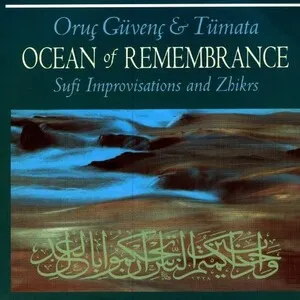
Ocean of Remembrance: Sufi Improvisations & Zhikrs
Oruç Güvenç
1991
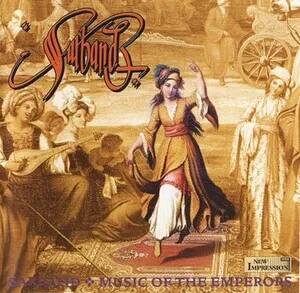
Music of the Emperors
Sarband
1990
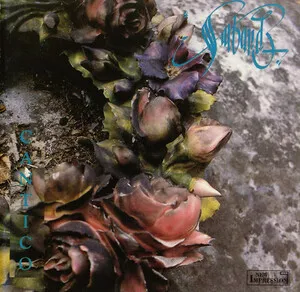
Cantico
Sarband
2014
Interstellar (Original Motion Picture Soundtrack) [Expanded Edition]
Hans Zimmer
2013
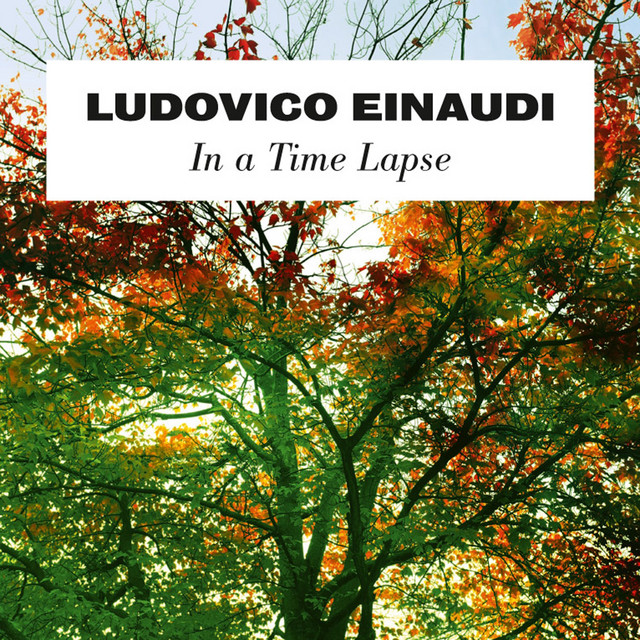
In a Time Lapse
Ludovico Einaudi
2004
Una Mattina
Ludovico Einaudi
2015
Sleep
Max Richter
Download our mobile app
Get the Melodigging app and start digging for new genres on the go
Download on the App Store
Get it on Google Play
© 2026 Melodigging
Give feedback
Legal
Melodding was created as a tribute to
Every Noise at Once
, which inspired us to help curious minds keep digging into music's ever-evolving genres.