Genres
Make Music
Artists
Albums
Challenges
Sign in
Sign in
Albums
By Shono
Albums
By Shono
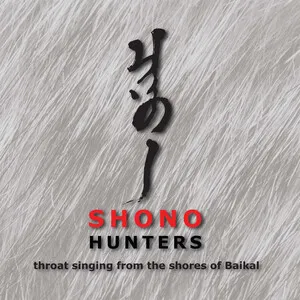
Hunters: Throat Singing from the Shores of Baikal
April 20, 2016
Listen
1
/5
Genres
Buryat Folk Music
Buryat folk music is the traditional music of the Buryat people of Siberia, centered in the Republic of Buryatia (Russia) and bordering Mongolic regions. It blends ancient shamanic ritual song, epic recitation (uliger), Buddhist devotional elements, and steppe song traditions shared with Mongolian cultures. Characteristic features include pentatonic melodies; long, melismatic vocal lines reminiscent of Mongolian “long song” practice; occasional overtone/throat-singing techniques; and the use of instruments such as the morin khuur (horse-head fiddle), khuuchir (spike fiddle), limbe (end-blown flute), jaw harp (khomus), frame drums, and various rattles used in ritual contexts. Social dance songs, notably for the yokhor circle dance, emphasize call-and-response and steady, communal rhythms. Themes frequently celebrate the steppe, horses, kinship, and spiritual life, with lyrics that may invoke nature spirits in older shamanic pieces or reflect Tibetan Buddhist poetics introduced from the 18th century onward.
Discover
Listen
Mongolian Throat Singing
Mongolian throat singing (höömii) is a traditional overtone-singing art in which a vocalist produces a low, sustained fundamental drone while shaping the mouth and throat to amplify specific overtones, making two or more pitches audible at once. The result is an otherworldly, flute-like melody floating above a deep, stable tone. Rooted in the nomadic herding culture of Mongolia, höömii is closely tied to the natural soundscape of the steppe—wind, rivers, and animal calls—often imitated in timbre and phrasing. Distinct Mongolian styles include kharkhiraa (a growling undertone beneath the drone) and isgeree khöömii (a whistling-overtone style), among others categorized by the primary resonance area (throat, chest, palate, nasal cavity). Performances range from intimate solo pieces to ensemble settings with morin khuur (horsehead fiddle) and tovshuur (lute), and appear in ritual, celebratory, and concert contexts. The practice emphasizes breath control, resonance, and subtly shifting vowel shapes rather than conventional harmonic progressions.
Discover
Listen
Mongolian Music
Mongolian music encompasses the traditional vocal and instrumental practices of the Mongolian steppe, centered on the morin khuur (horsehead fiddle), long song (urtyn duu), short song (bogino duu), epic song (tuuli), and the overtone-rich vocal art of khöömii (throat singing). Its melodic language is largely pentatonic, with expansive, arching phrases that evoke open landscapes, horses, and nomadic life. Textures range from solo voice with a sustained drone to heterophonic ensemble playing, and rhythms move fluidly between free, rubato narrative delivery and lively dance meters for bielgee (seated dance) and festive pieces. Ritual and religious strands—especially Buddhist chant and older shamanic practices—intertwine with courtly and folk repertories shaped during and after the Mongol Empire, yielding a music that is at once intimate, contemplative, and epic in scale.
Discover
Listen
Similar albums
2008
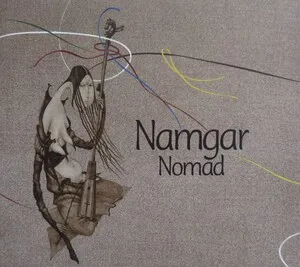
Nomad
Namgar
2020
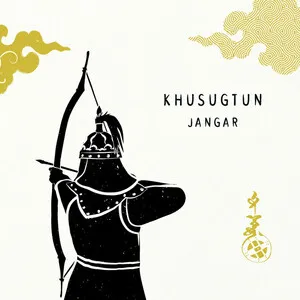
Jangar
Khusugtun
2022
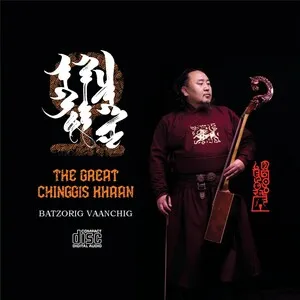
The Great Chinggis Khaan
Batzorig Vaanchig
2000
Zazal
Egschiglen
2007
Chants diphoniques de l'Altaï Mongol / Xöömij Overtone Singing From Mongolia
Tserendavaa & Tsogtgerel
2007
Gereg
Egschiglen
2013
Khusugtun Ethnic-Ballad Group
Khusugtun
2010
Whistle in the Wind
Altai Khairkhan Алтай Хайрхан
2006
Made in Altan Urag
Altan Urag
2010
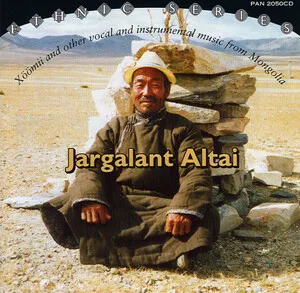
Jargalant Altai: Xöömii and Other Vocal and Instrumental Music From Mongolia
Download our mobile app
Get the Melodigging app and start digging for new genres on the go
Download on the App Store
Get it on Google Play
© 2026 Melodigging
Give feedback
Legal
Melodding was created as a tribute to
Every Noise at Once
, which inspired us to help curious minds keep digging into music's ever-evolving genres.