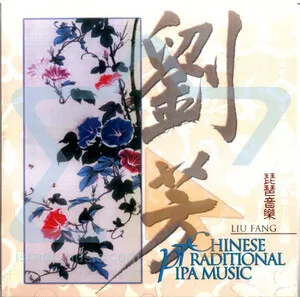
Chinese music is a broad umbrella covering millennia of ritual, courtly, theatrical, and folk traditions bound by distinct tonal systems, timbres, and aesthetics. At its core, it emphasizes pentatonic and heptatonic modal thinking (gong, shang, jiao, zhi, yu), flexible rhythm, and expressive ornamentation such as slides, bends, turns, and vibrato.
Typical textures are heterophonic: multiple instruments render the same melody with individualized embellishment rather than Western-style chordal harmony. Signature timbres come from silk-and-bamboo instruments like the guqin and guzheng (zithers), pipa and ruan (lutes), erhu (bowed fiddle), dizi and xiao (flutes), sheng (mouth organ), and suona (double-reed), often supported by gongs, cymbals, and drums in percussion-driven ensembles.
The repertoire spans refined court and literati genres, regional folk songs, and powerful theatrical traditions (e.g., Beijing opera and Kunqu), as well as modern large Chinese orchestras and contemporary fusions. Across its diversity, the music foregrounds melodic rhetoric, programmatic imagery, and a balance of restraint and passion.