Polynesian traditional is the collective term for ancestral song, chant, drumming, and dance-linked music practices that developed among the peoples of the Polynesian Triangle (Samoa/Tonga–central Polynesia, east to Tahiti and Hawaiʻi, south to Aotearoa New Zealand, and outliers like Tokelau, Tuvalu, Niue, Rapa Nui).
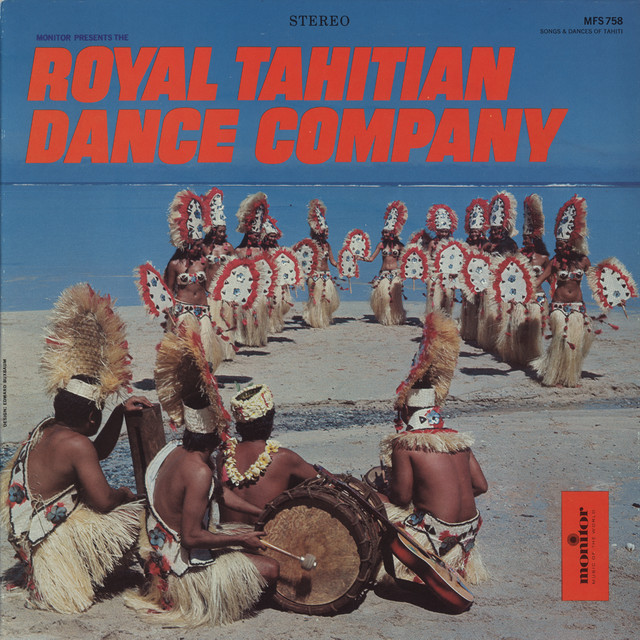
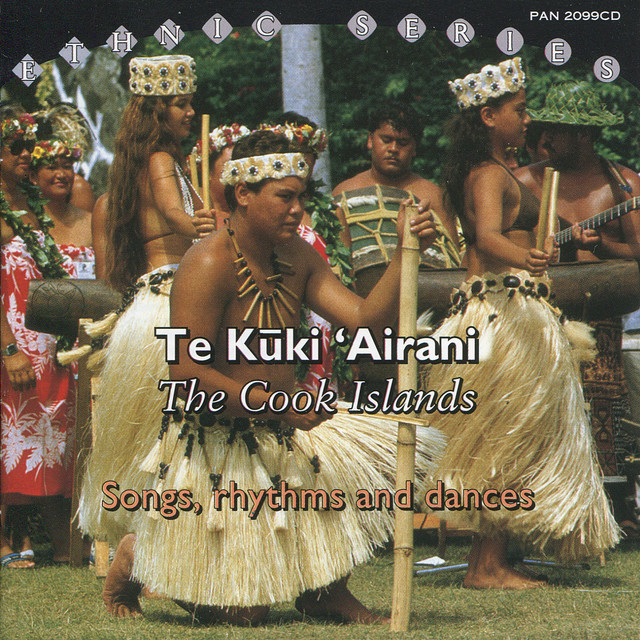
It is fundamentally vocal—genealogies, praise poetry, and communal narratives are performed as solo chant or antiphonal group song—supported by distinctive percussion such as slit-log drums (toʻere/pātē), frame and skin drums (pahu, faʻatete), gourd drums (ipu), handclaps, stamping tubes, and conch shells (pū). Aerophones like nose flutes (ʻōʻē, vivo) and bamboo/kōauau flutes appear in some regions. Music is inseparable from dance forms (e.g., hula kahiko, ʻoteʻa, siva, lakalaka, haka), with tightly interlocked rhythms driving choreographies and visual storytelling.
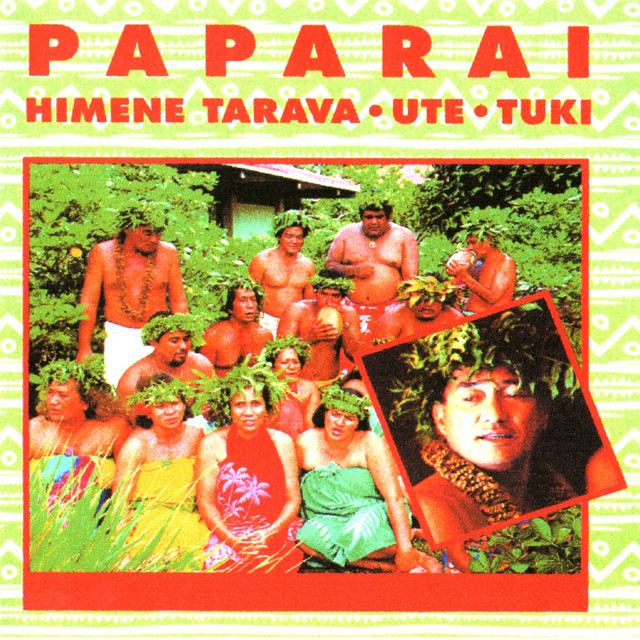
Across islands, stylistic markers differ: imene/himene choral traditions in the Society and Cook Islands, mele/oli chant in Hawaiʻi, pese/siva in Samoa, lakalaka and māʻuluʻulu in Tonga, haka and waiata in Aotearoa. Scales tend toward pentatonic or narrow modal ambitus, textures range from unison chant to parallel and block harmonies, and forms often feature responsorial refrains and metric cycles synchronized to dance.