Genres
Make Music
Artists
Albums
Challenges
Sign in
Sign in
Albums
By Guadalupe Trigo
Albums
By Guadalupe Trigo
Guadalupe Trigo [Mi Ciudad]
August 16, 2006
Listen
1
/5
Genres
Nueva Canción Latinoamericana
Nueva canción latinoamericana is a socially engaged song movement that revitalized Latin American folk traditions to address contemporary political and cultural realities. It blends rural and indigenous folk rhythms with modern, singer‑songwriter poetry, using acoustic instruments such as guitar, charango, quena, and bombo legüero. Lyrics foreground social justice, anti‑imperialism, labor struggle, indigenous rights, and national identity, often delivered in clear, declamatory melodies that invite communal singing. The result is music that is both rooted in local traditions and explicitly modern in its political consciousness.
Discover
Listen
Nueva Canción
Nueva canción is a Latin American song movement that emerged in the 1960s, blending traditional folk forms with contemporary, socially engaged songwriting. It foregrounds poetic, politically conscious lyrics that address social justice, labor, indigenous rights, anti-imperialism, and everyday dignity. Musically, it draws on Andean and Southern Cone folk idioms—such as cueca, zamba, and chacarera—alongside pan-Latin ballad traditions. Typical instrumentation includes nylon-string guitar, charango, quena and zampoña (panpipes), bombo legüero, and rich vocal harmonies, often arranged for ensembles. The style’s melodic language favors modal inflections and singable, anthemic choruses designed for communal participation. While it became a continent-wide phenomenon, Chilean artists were especially pivotal in shaping its aesthetics and political ethos, with the movement later radiating into Argentina, Uruguay, and Spain.
Discover
Listen
Ranchera
Ranchera (canción ranchera) is a traditional Mexican song genre characterized by passionate, emotive vocals; memorable, singable melodies; and direct, heartfelt lyrics about love, heartbreak, drinking, patriotism, rural life, and personal honor. Although its roots reach back to rural song traditions of the late 18th and early 19th centuries, ranchera consolidated as a national popular style before the Mexican Revolution and was later projected across Latin America through the Golden Age of Mexican cinema. The genre is commonly performed with mariachi (violins, trumpets, vihuela, guitarra, guitarrón), but it can also appear with norteño, banda, or solo voice-and-guitar arrangements. Musically, rancheras often use simple strophic or verse–chorus forms, tonal harmonies (I–IV–V with occasional secondary dominants or modulations), and meters in 3/4 (vals ranchero) or 2/4 and 4/4 (ranchera alegre or ranchera lenta). Vocal delivery features expressive rubato, dramatic dynamic arcs, and the iconic grito (a shouted cry) between phrases.
Discover
Listen
Similar albums
2017
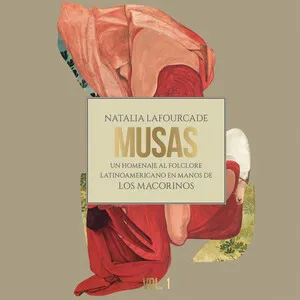
Musas Vol. 1
Natalia Lafourcade
1969
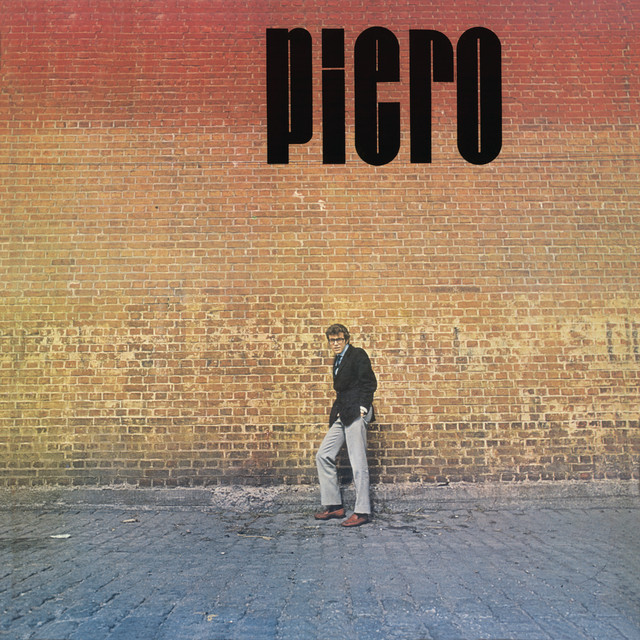
Piero
Piero
2018
Musas vol. 2
Natalia Lafourcade
1971
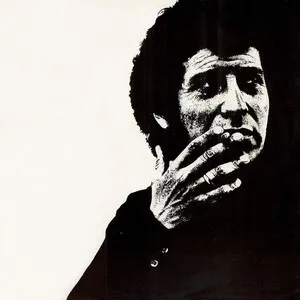
El derecho de vivir en paz
Víctor Jara
1969
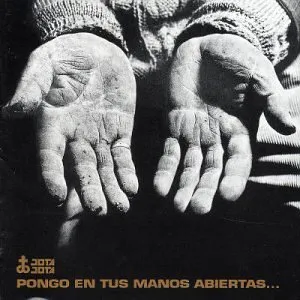
Pongo en tus manos abiertas...
Víctor Jara
1971
Facundo Cabral
Facundo Cabral
1994
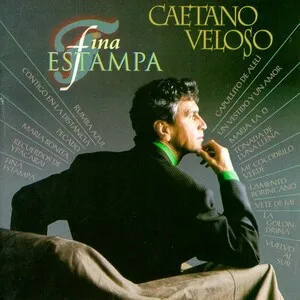
Fina estampa
Caetano Veloso
1966
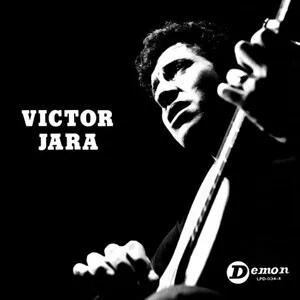
Víctor Jara
Víctor Jara
1972
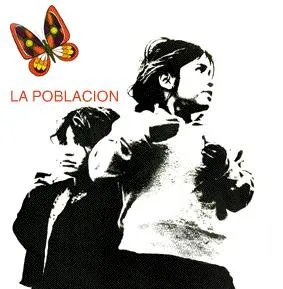
La población
Víctor Jara
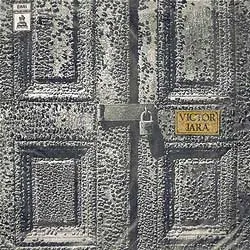
1970
Canto libre
Víctor Jara
Download our mobile app
Get the Melodigging app and start digging for new genres on the go
Download on the App Store
Get it on Google Play
© 2026 Melodigging
Give feedback
Legal
Melodding was created as a tribute to
Every Noise at Once
, which inspired us to help curious minds keep digging into music's ever-evolving genres.