Maghrebi music is the umbrella of musical traditions from the western Arab world—the Maghreb—covering Morocco, Algeria, Tunisia, Libya, and Western Sahara. It blends Arab (maqam/ṭabʿ), Amazigh (Berber) indigenous musics, medieval Andalusian legacies, and sub‑Saharan currents carried across the Sahara.
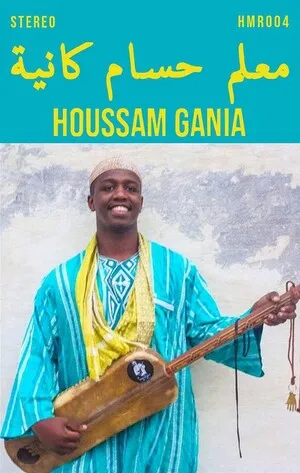
Hallmarks include modal melodies rich in melisma and ornament, cyclical rhythms (notably a buoyant 6/8 and stately 10/8), and heterophonic textures where voice and instruments decorate the same line. Core instruments include the oud, rebab (or kamanja/violin), qanun, nay/gasba (end‑blown flutes), bendir and darbuka frame drums, the guembri (sintir) bass lute, and metallic qraqeb castanets in Gnawa contexts. Lyrics appear in regional Arabic dialects (Darija), Tamazight/Amazigh languages, and Hassaniya (in the Sahara), frequently addressing love, mysticism, satire, and social life.
As a living tradition, Maghrebi music spans ceremonial and devotional repertoires (Sufi brotherhoods, Andalusi nūba suites) and popular urban styles (chaabi, raï), as well as contemporary fusions with rock, hip hop, and electronic music.