Ghanaian traditional music is a diverse family of indigenous styles practiced by the many ethnic groups of Ghana, including Akan, Ewe, Ga–Dangme, Dagomba, Dagaaba, Frafra and others.
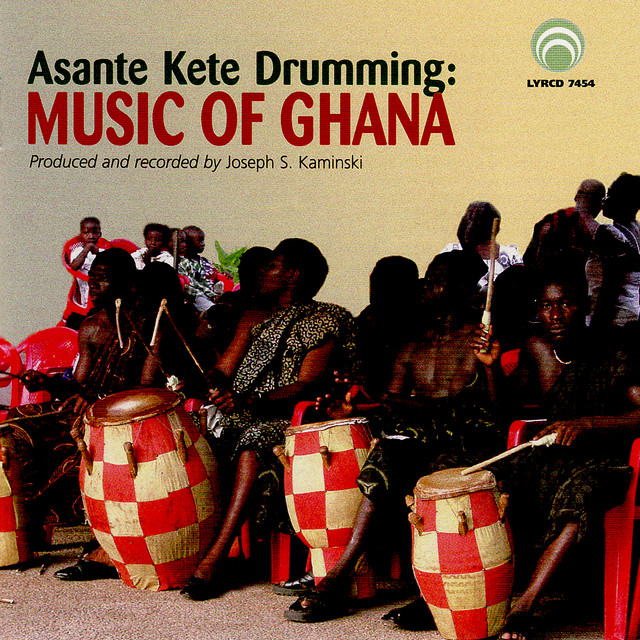
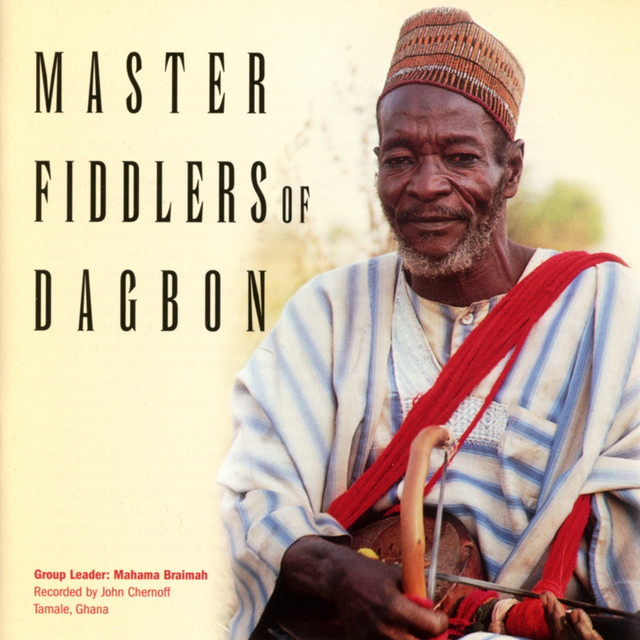
It is best known for polyrhythmic percussion ensembles built around a metal timeline bell (such as the gankogui) and rattles (axatse), interlocking drum parts, and call-and-response singing that coordinates music with dance and social ceremony. Core instruments include lead/response drums (atsimevu, sogo, kidi, kagan), talking drums (dondo/atumpan), large court-drumming sets (fontomfrom, kete), wooden xylophones (gyil), two-string lute (kologo), seperewa harp-lute, flutes, and handclaps. Repertoires align with functions—festivals, chieftaincy rites, funerals, initiations, and recreational dances like Kpanlogo, Adowa, Agbadza, Bamaya—where music, dance, and poetry are inseparable.
Structurally, short repeated cycles in 12/8 or 4/4 host cross-rhythms (e.g., 3:2) and cue-based variation from a master drummer who "speaks" phrases, signals dancers, and shapes the form. Songs are often in local languages, using proverbial text and praise poetry that encode history, ethics, and communal identity.