Genres
Make Music
Artists
Albums
Challenges
Sign in
Sign in
Albums
By John Zorn
Albums
By John Zorn
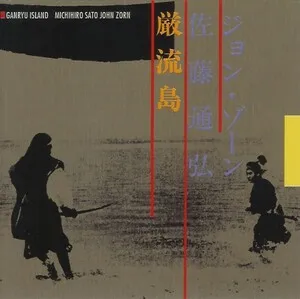
Ganryu Island
September 15, 1998
Listen
1
/5
Genres
Free Jazz
Free jazz is a radical branch of jazz that rejects fixed chord progressions, strict meter, and conventional song forms in favor of collective improvisation, textural exploration, and spontaneous interaction. Musicians prioritize timbre, dynamics, and gesture as much as pitch and harmony, often using extended techniques (multiphonics, overblowing, prepared piano) and unconventional sounds. While rooted in the blues and earlier jazz vocabularies, free jazz frees improvisers from pre-set harmonic cycles, allowing lines to unfold over tonal centers, shifting modes, drones, or complete atonality. Rhythm sections may float without a steady pulse, or drive with layered polyrhythms and “energy playing.” The result ranges from contemplative soundscapes to cathartic, high-intensity eruptions. Culturally, the genre intersected with the civil rights era and broader avant-garde movements, emphasizing autonomy, community, and new possibilities for musical expression.
Discover
Listen
Folk
Folk is a song-centered acoustic tradition rooted in community storytelling, everyday life, and social history. It emphasizes clear melodies, simple harmonies, and lyrics that foreground narrative, protest, and personal testimony. As a modern recorded genre, folk coalesced in the early-to-mid 20th century in the United States out of older ballad, work song, and rural dance traditions. It typically features acoustic instruments (guitar, banjo, fiddle, mandolin, harmonica), strophic song forms, and participatory singing (choruses, call-and-response).
Discover
Listen
Jazz
Jazz is an improvisation-centered music tradition that emerged from African American communities in the early 20th century. It blends blues feeling, ragtime syncopation, European harmonic practice, and brass band instrumentation into a flexible, conversational art. Defining features include swing rhythm (a triplet-based pulse), call-and-response phrasing, blue notes, and extended harmonies built on 7ths, 9ths, 11ths, and 13ths. Jazz is as much a way of making music—spontaneous interaction, variation, and personal sound—as it is a set of forms and tunes. Across its history, jazz has continually hybridized, from New Orleans ensembles and big-band swing to bebop, cool and hard bop, modal and free jazz, fusion, and contemporary cross-genre experiments. Its influence permeates global popular and art music.
Discover
Listen
Tsugaru-Jamisen
A virtuosic regional shamisen style from the Tsugaru area of Aomori, Japan, tsugaru-jamisen is known for its driving rhythms, percussive bachi (plectrum) strikes, and improvisatory development over folk-song (min'yō) melodic cells. Players typically use a futozao (thick-neck) shamisen with a large bachi, exploiting the instrument’s sawari (sympathetic buzz) and powerful downstrokes to create both pitch and percussion. Core repertoire pieces such as Tsugaru Jongara-bushi, Tsugaru Yosare-bushi, and Tsugaru Aiya-bushi are treated as frameworks for variation, with free-rhythm introductions blossoming into fast, dance-like sections. The style balances raw intensity and lyricism, combining rapid tremolo, slides, pull-offs, and offbeat accents with the Japanese jo–ha–kyū sense of pacing. It is performed solo, in duo call-and-response with singers and flutes, or in ensembles, and today appears in concert halls, festivals, competitions, and cross-genre collaborations.
Discover
Listen
Japanese Folk Music
Japanese folk music (min'yō and related regional traditions) is the collective body of vernacular song and instrumental practices that arose among Japan’s rural and coastal communities. It includes work songs (rice-planting, fishing, sake-brewing), festival and dance songs (Bon-odori), travelers’ and boatmen’s songs, lullabies, and ritual/seasonal chants. Melodies commonly draw on pentatonic collections such as the yo and in scales, and are richly ornamented with kobushi (vocal turns) and flexible timing shaped by ma (intentional silence/space). Textures are largely monophonic or heterophonic, with unison singing doubled by instruments like shamisen, fue (transverse bamboo flutes), shakuhachi, and sometimes koto; taiko and local percussion support dance and procession contexts. Regional styles (e.g., Tsugaru in the north, Amami in the south, Okinawa and Ainu traditions) contribute distinctive timbres, rhythms, and repertories that together define the breadth of Japanese folk expression.
Discover
Listen
Similar albums
1965
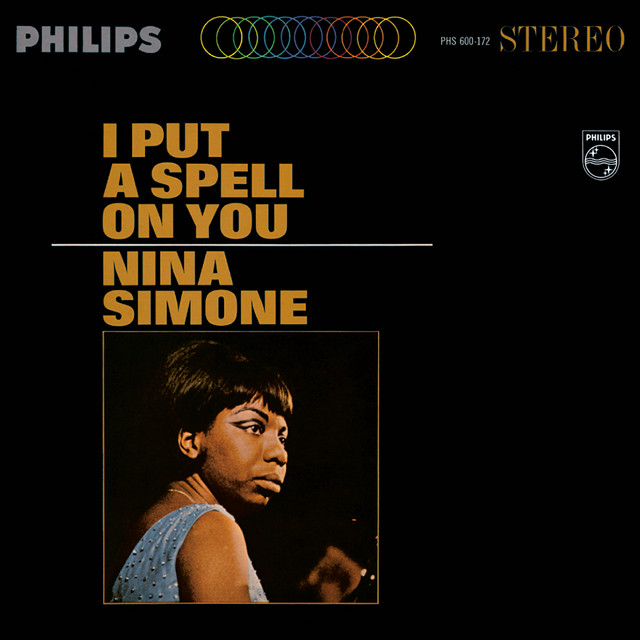
I Put a Spell on You
Nina Simone
1970
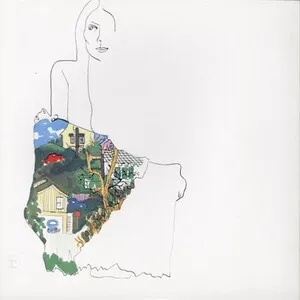
Ladies of the Canyon
Joni Mitchell
1957
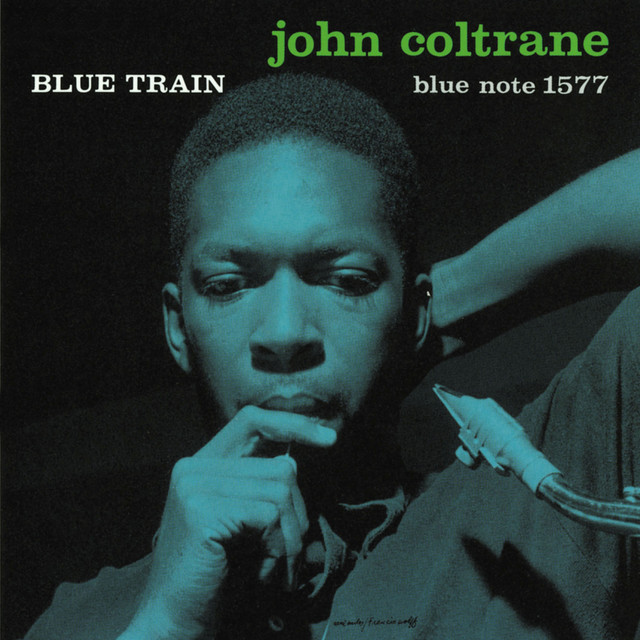
Blue Train
John Coltrane
2003
The Cat Empire
The Cat Empire
1966
Speak No Evil
Wayne Shorter
2025
The Light For Days
Jacob Collier
1965
A Love Supreme
John Coltrane
1971
Journey in Satchidananda
Alice Coltrane featuring Pharoah Sanders
1964
Crescent
John Coltrane Quartet
1977
Heavy Weather
Weather Report
Download our mobile app
Get the Melodigging app and start digging for new genres on the go
Download on the App Store
Get it on Google Play
© 2026 Melodigging
Give feedback
Legal
Melodding was created as a tribute to
Every Noise at Once
, which inspired us to help curious minds keep digging into music's ever-evolving genres.