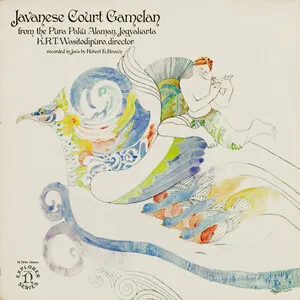
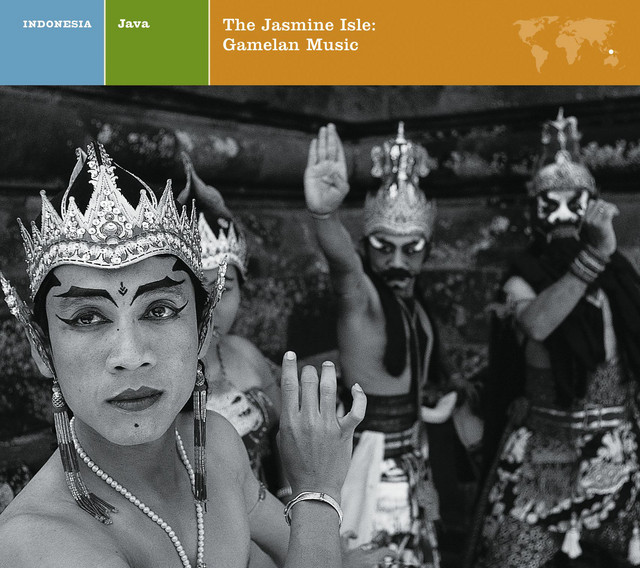
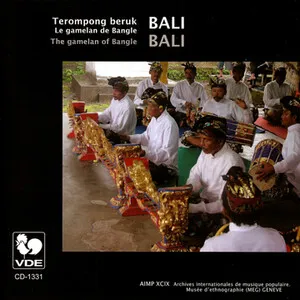
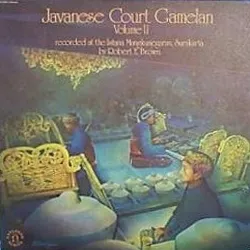
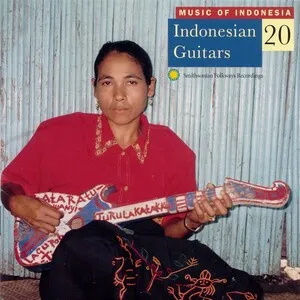
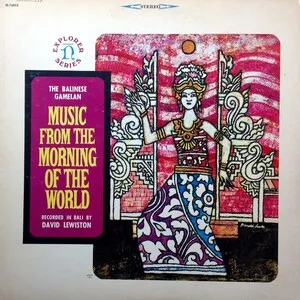
Indonesian music is an umbrella term for the vast and diverse musical traditions found across the Indonesian archipelago, spanning thousands of islands and hundreds of ethnic groups. It encompasses ancient courtly gamelan traditions of Java and Bali, regional folk idioms of Sumatra, Sulawesi, Kalimantan, and Nusa Tenggara, and modern popular styles like dangdut, pop Indo, rock, hip hop, and electronic hybrids.
Its traditional backbone features tuned percussion ensembles (gamelan) organized around cyclical, colotomic structures and pentatonic tuning systems (sléndro and pélog). Instruments such as saron, bonang, gender, gong ageng, kendang, rebab, suling, kacapi, and sasando shape distinctive timbres and interlocking patterns. Islamic recitational aesthetics, Malay song forms, Indian film and classical music, Arabic maqāmic practice, and Western classical and popular music all contribute to Indonesia’s modern soundscape.
In the 20th century, colonial contact, radio, recording technologies, and urban migration catalyzed hybrid genres (e.g., keroncong, gambus/orkes gambus). After independence (1945), mass media, cassettes, and TV helped consolidate a national market, elevating styles like dangdut and pop Indonesia, while regional languages and forms (e.g., jaipongan, campursari) remained vibrant and influential.