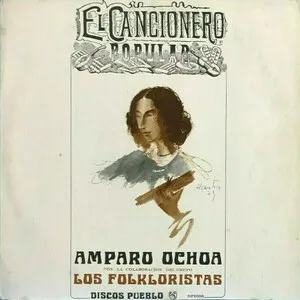
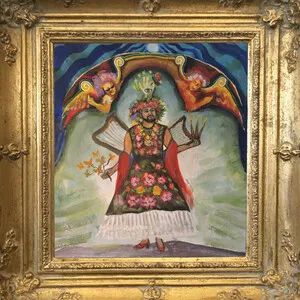
Hispanic American folk music is the umbrella for traditional and community-rooted musical practices developed by Spanish-speaking and mixed-heritage (mestizo, Afro‑Latino, Indigenous) communities in the United States. It draws on borderlands traditions of the Southwest (Texas, New Mexico, California, Arizona), Caribbean diasporas (Puerto Rican and Cuban communities in New York and elsewhere), and later immigrant and transborder flows from Mexico and Central America.
Stylistically, it blends narrative ballads (corridos), sacred hymnody (alabados), rural song forms (décimas, coplas), and social-dance repertoires (vals, polka, schottische, huapango). Core timbres include guitar families (requinto, bajo sexto, jarana), violin, harp, accordion, and voices in close parallel thirds. Themes often address migration, labor, love, devotion, identity, and social justice; lyrics frequently move fluidly between Spanish and English (and regionally inflected Spanglish), reflecting lived bilingual realities.