Genres
Make Music
Artists
Albums
Challenges
Sign in
Sign in
Albums
By Overmono
Albums
By Overmono
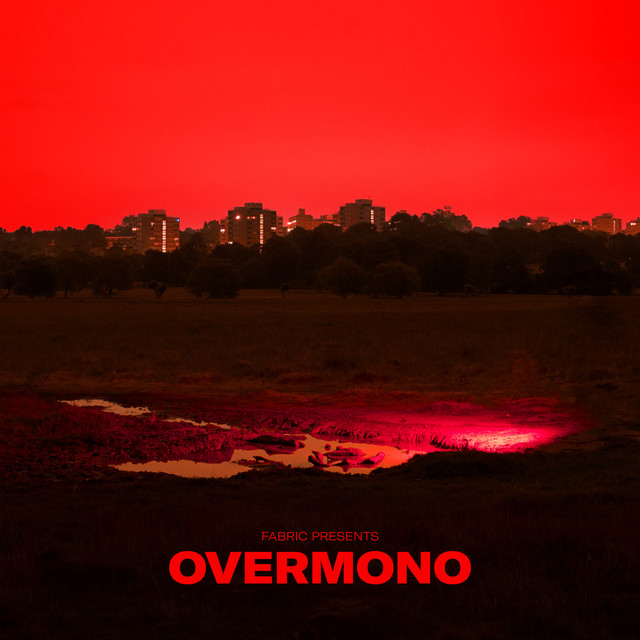
fabric presents Overmono (Mixed)
July 16, 2021
Listen
1
/5
Genres
Deep Full On
Deep full on is a substyle of psychedelic trance that blends the kinetic drive of full‑on psy with a more hypnotic, atmospheric, and groove‑focused aesthetic. It preserves the genre’s signature 4/4 pulse and rolling 1/16th basslines, but emphasizes deeper sound design, heady textures, and long‑form tension/release instead of constant peak euphoria. Typically running around 140–146 BPM, deep full on favors warm, sub‑heavy bass, carefully sculpted midrange movement, psychedelic FX, and evolving pads that create an immersive nocturnal space. Leads are often more restrained and textural than anthem‑focused full‑on, with acid lines, FM timbres, and modal riffs weaving through layered percussion and spacious, dub‑tinged processing. The result is a driving yet hypnotic dancefloor style that bridges full‑on energy with progressive depth.
Discover
Listen
Dubstep
Dubstep is a bass‑centric electronic dance music genre that emerged in South London in the early 2000s. It is typically around 140 BPM and is defined by a half‑time rhythmic feel, sub‑heavy basslines, sparse yet impactful drums, and a strong emphasis on space, tension, and sound system weight. Hallmark traits include syncopated kick patterns, snares on the third beat of the bar, swung/shuffly hi‑hats inherited from UK garage, and modulated low‑frequency bass (“wobbles”) shaped with LFOs, filters, and distortion. Influences from dub reggae (echo, delay, and minimalism), jungle/drum & bass (bass science and sound system culture), and 2‑step garage (rhythmic swing and shuffles) are central. The style ranges from deep, meditative “dub” aesthetics (often called deep dubstep) to more aggressive, midrange‑driven variants that later informed brostep and festival bass. Atmosphere, negative space, and subwoofer translation are as important as melody or harmony.
Discover
Listen
Acid Idm
Acid IDM is a hybrid of the squelchy, resonant basslines of acid house/acid techno and the intricate rhythms, melodic nuance, and experimental spirit of IDM ("intelligent dance music"). It centers the 303‑style acid line—full of slides and accents—inside track structures that prize irregular metric play, melodic counterlines, and textural detail. Compared with straight acid, Acid IDM is more harmonically and rhythmically adventurous, often weaving broken beats, syncopated patterns, and glitchy edits around warm, analog-leaning timbres. Tempos typically range from 110–140 BPM, and the mood can shift from playful and retro-futurist to dreamy or melancholic. The result bridges dancefloor energy with headphone-focused detail.
Discover
Listen
Drill And Bass
Drill and bass is a hyperkinetic, experimental offshoot of drum and bass that pushes breakbeat programming to virtuosic extremes. It retains jungle and drum and bass tempos and break sources but treats them as malleable material: chopped into millisecond slices, re-sequenced into labyrinthine patterns, and processed with time-stretching, pitch-shifting, and digital artifacts. Emerging in the UK in the mid-to-late 1990s, the style overlaps with IDM in its producer-forward, studio-as-instrument mindset. Rapid, dazzling drum edits, elastic bass lines (often acidic or Reece-like), and sudden left turns in texture or meter are hallmarks. Rather than dancefloor functionality, drill and bass prioritizes audacious programming, restless variation, and an often playful, zany sense of sonic mischief.
Discover
Listen
Experimental Techno
Experimental Techno is a subgenre of techno that prioritizes sonic exploration and structural innovation over the functional demands of the dancefloor. It is characterized by the use of abstract textures, complex or broken rhythms, and a heavy reliance on digital signal processing and synthesis. The genre often incorporates elements from industrial, ambient, and avant-garde music, resulting in compositions that can range from hypnotic and minimal to abrasive and chaotic. Unlike traditional techno, which relies on a steady 4/4 beat, experimental techno frequently deconstructs rhythm, utilizing glitch aesthetics and non-standard time signatures to create a cerebral listening experience.
Discover
Listen
Jungle
Jungle is a UK-born electronic music style defined by rapid, chopped breakbeats, heavy sub‑bass, and a deep dialogue with Jamaican sound‑system culture. Typical tempos sit around 155–170 BPM, with intensely syncopated drum programming that flips funk and jazz breaks (especially the Amen, Think, and Apache breaks) into kinetic, polyrhythmic mosaics. Its sound palette blends dub’s bass weight and echo, reggae and dancehall vocal toasting, hip‑hop sampling aesthetics, and the rave/hardcore continuum’s rave stabs and euphoria. In contemporary usage, jungle is often grouped under the broader umbrella of drum and bass; historically it directly preceded and seeded mid‑1990s drum and bass and is frequently treated as an early substyle of DnB.
Discover
Listen
Experimental Dub
Experimental dub is a boundary‑pushing offshoot of dub that keeps the music’s deep bass, echo, and studio-as-instrument philosophy, but stretches it into new territories through noise, industrial textures, ambient space, post‑punk grit, and avant‑electronic processing. Where classic dub strips songs down to bass, drums, and fleeting fragments, experimental dub further deconstructs rhythm and form, folds in unconventional sound sources (field recordings, feedback, found voices), and treats the mixing desk, delays, and filters as performance tools. The result ranges from smoky, slow, and weightless to abrasive, hypnotic, and rhythmically unsteady—always prioritizing space, texture, and low‑end pressure.
Discover
Listen
Detroit Techno
Detroit techno is a futurist, machine-soul form of electronic dance music that emerged from Detroit’s Black musical imagination in the mid-to-late 1980s. It fuses the clinical precision of European electronic music with the swing, grit, and emotional depth of American funk, disco, and Chicago house. Characterized by 4/4 drum-machine grooves, syncopated hi-hats, propulsive basslines, and sleek, melancholic synth pads, Detroit techno aims for both kinetic dance-floor momentum and reflective, sci‑fi atmosphere. It is often minimalist in arrangement yet rich in timbre, foregrounding texture, space, and subtly evolving patterns over overt hooks or vocals.
Discover
Listen
Electronic
Electronic is a broad umbrella genre defined by the primary use of electronically generated or electronically processed sound. It encompasses music made with synthesizers, drum machines, samplers, computers, and studio/tape techniques, as well as electroacoustic manipulation of recorded or synthetic sources. The genre ranges from academic and experimental traditions to popular and dance-oriented forms. While its sonic palette is rooted in electricity and circuitry, its aesthetics span minimal and textural explorations, structured song forms, and beat-driven club permutations. Electronic emphasizes sound design, timbre, and studio-as-instrument practices as much as melody and harmony.
Discover
Listen
Similar albums
2021
fabric presents Overmono (Mixed)
Roy of the Ravers
2012
Remains of Shapes to Come
Ruby My Dear
2001
My Red Hot Car
Squarepusher
2018
Brame
Ruby My Dear
2024
Phoneglow / Eyes Go Blank
Burial
2024
Birth Control Pill
Speed Dealer Moms
2008
Detrimentalist
Venetian Snares
2019
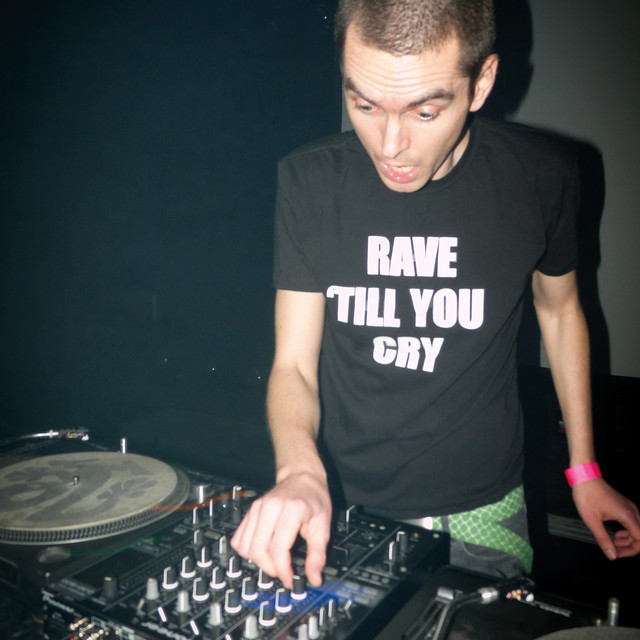
Rave 'Till You Cry
Bogdan Raczynski
2009
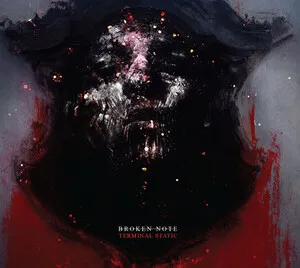
Terminal Static
Broken Note
1992
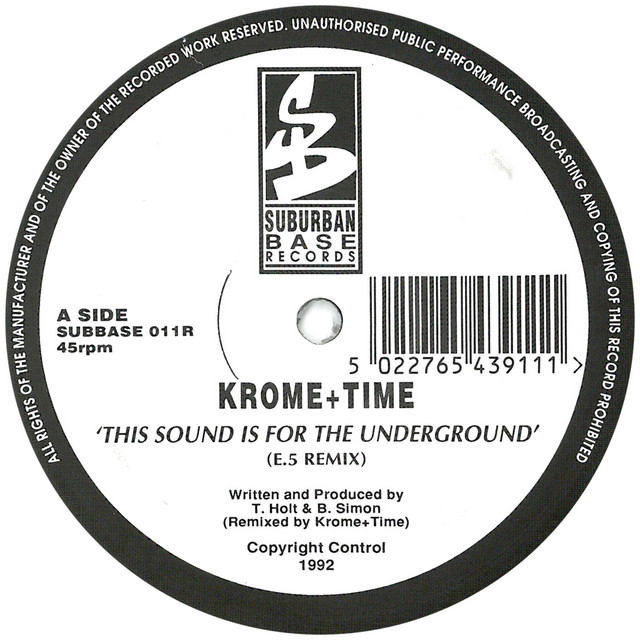
This Sound Is For The Underground / Manic Stampede Remixes
Krome and Time
Download our mobile app
Get the Melodigging app and start digging for new genres on the go
Download on the App Store
Get it on Google Play
© 2026 Melodigging
Give feedback
Legal
Melodding was created as a tribute to
Every Noise at Once
, which inspired us to help curious minds keep digging into music's ever-evolving genres.