Genres
Make Music
Artists
Albums
Challenges
Sign in
Sign in
Albums
By Kassa Tessema
Albums
By Kassa Tessema
Éthiopiques 29: Mastawesha
1972
Listen
2
/5
Genres
Ethio-Jazz
Ethio‑jazz (Ethiopian jazz) is a distinctive fusion of traditional Ethiopian modal melody and rhythm with the harmonies, improvisational language, and instrumentation of jazz. Rooted in Ethiopia’s pentatonic qenet (modes)—such as tizita, bati, ambassel, and anchihoye—it places these characteristic scales over Western jazz ensembles (horn sections, piano/organ, guitar, bass, drums) and, at times, indigenous instruments like krar, masenqo, and kebero. The result ranges from sultry, minor‑tinged laments to hypnotic, groove‑forward vamps, often colored by vibraphone, organ, and saxophone timbres. Over time, Ethio‑jazz absorbed elements of soul, funk, Afro‑Latin and Afro‑Cuban rhythms, contributing to a sound that can be both melancholic and danceable, nostalgic and cosmopolitan. Mulatu Astatke—widely considered the father of Ethio‑jazz—was pivotal in crystallizing this language and popularizing it internationally.
Discover
Listen
Tizita
Tizita (Amharic for “memory” or “nostalgia”) is an Ethiopian song type and modal framework (qenet) famed for expressing longing, reminiscence, and bittersweet reflection—often called the “Ethiopian blues.” Musically, tizita revolves around pentatonic pitch collections in two common variants—often approximated as a “minor” (1–b3–4–5–b7) and a “major” (1–2–3–5–6) flavor—performed with flexible intonation and expressive, melismatic vocals. Traditional performances feature azmari singers accompanied by the krar (lyre), masenqo (one‑string fiddle), washint (flute), and kebero (drum), with tempos that are slow or rubato and a prominent drone on the tonic. In the 1960s–70s, tizita’s melodic language became a cornerstone of Ethio‑jazz and the broader Addis Ababa “golden age” sound, where horn sections and modern rhythm sections reimagined its modal melancholy for urban stages and recordings.
Discover
Listen
Azmari
Azmari is a centuries-old Ethiopian minstrel tradition centered on witty, improvisatory song-poetry performed in tej (honey-wine) houses and community gatherings. Azmaris typically accompany themselves on the masenqo (a one-string bowed lute) or the krar (a 5–6 string bowl lyre), with handclaps, kebero drums, and audience participation. The melodic language draws on Ethiopia’s pentatonic qenet modal system (such as tizita, bati, ambassel, and anchihoye), and performances often feature call-and-response, dance (including eskista shoulder dance), and sharp social commentary. Lyrically, azmari art is famed for sem-ena-werq (“wax and gold”)—double-entendre poetry that balances humor, praise, satire, and coded critique—making it both entertainment and a living vehicle for oral history and public discourse.
Discover
Listen
Similar albums
1975
Ali Mohamed Birra With the Adu Band
Ali Mohamed Birra
2011
Mahmoud Ahmed ማሕሙድ ፡ ኣሕመድ ፡
Mahmoud Ahmed ማሕሙድ ኣሕመድ
1988
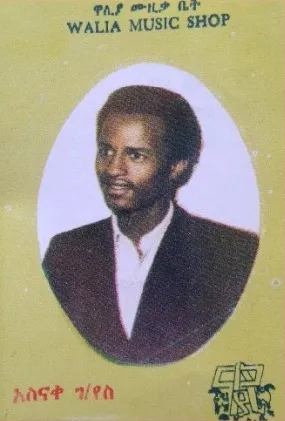
Ahadu
Asnake Gebreyes
2018
Asnaketch Worku አስናቀች ወርቁ
Asnaketch Worku አስናቀች ወርቁ
1969
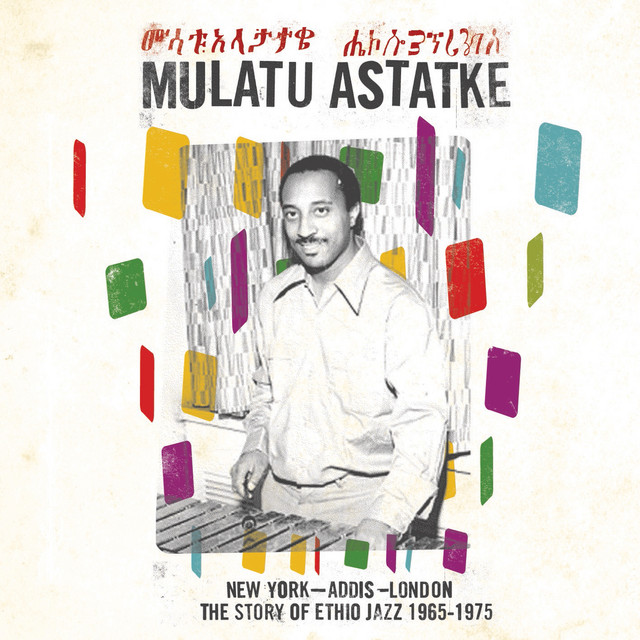
New York - Addis - London: The Story of Ethio Jazz 1965-1975
Mulatu Astatke
2006
Ethiopiques, vol. 21: Emahoy (Piano Solo)
Tsegue-Maryam Guebrou
1998
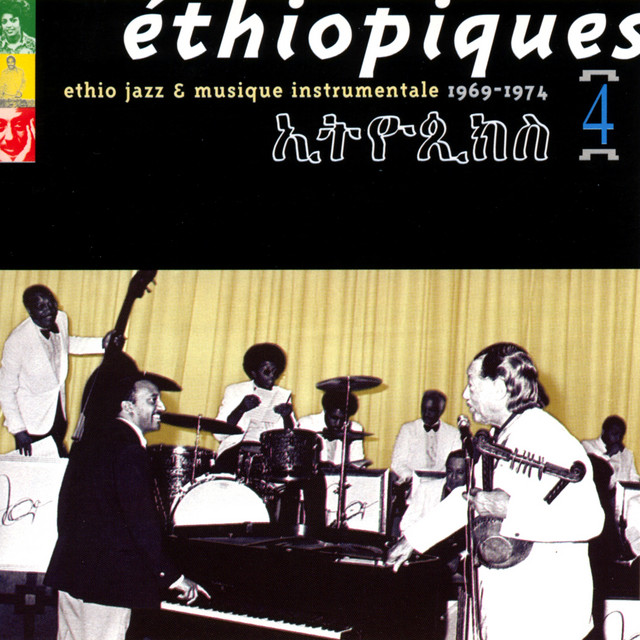
Ethiopiques, Vol. 4: Ethio Jazz 1969-1974
Feqadu Amde-mesqel
2020
fabric presents Maribou State (DJ Mix)
Hailu Mergia
2017
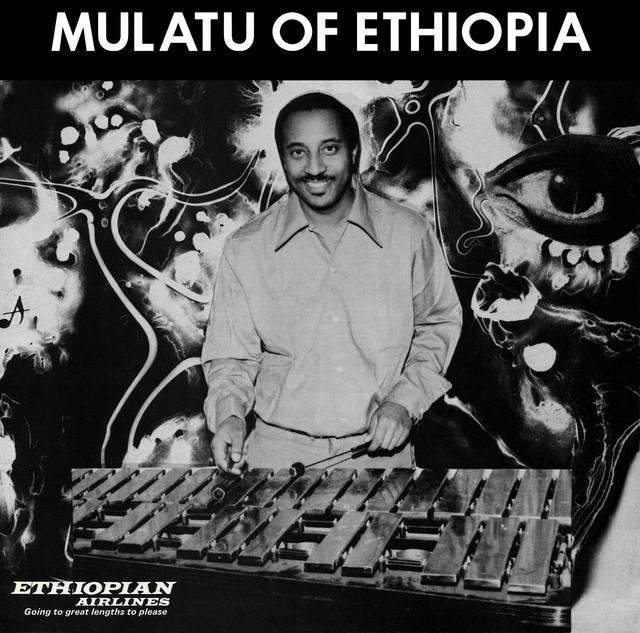
Mulatu Of Ethiopia
Mulatu Astatke
2016
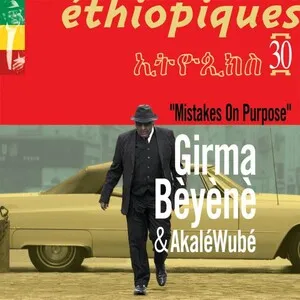
Éthiopiques 30: "Mistakes on Purpose"
Girma Bèyènè ግርማ በየነ & Akalé Wubé
Download our mobile app
Get the Melodigging app and start digging for new genres on the go
Download on the App Store
Get it on Google Play
© 2026 Melodigging
Give feedback
Legal
Melodding was created as a tribute to
Every Noise at Once
, which inspired us to help curious minds keep digging into music's ever-evolving genres.