Genres
Make Music
Artists
Albums
Challenges
Sign in
Sign in
Albums
By Jordi Savall
Albums
By Jordi Savall
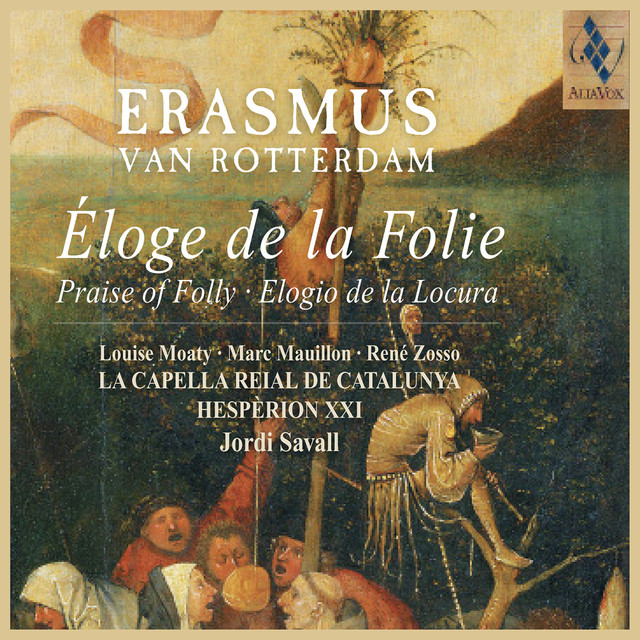
Erasme - Eloge de la folie (Version française)
2012
Listen
2
/5
Genres
Classical Performance
Classical performance refers to the interpretive tradition of presenting Western classical repertoire in concert and studio settings. Rather than defining a compositional style, it describes how ensembles and soloists realize written scores through technique, tone, phrasing, and stylistic choices across eras from Baroque to contemporary. It centers on fidelity to the score and historically informed practice, while allowing space for interpretive nuance such as tempo flexibility, articulation, and dynamic shading. Typical forces include soloists, chamber groups, choirs, and orchestras performing in acoustically resonant venues or purpose-built studios, captured by production teams specialized in naturalistic sound.
Discover
Listen
Baroque
Baroque is a period and style of Western art music spanning roughly 1600–1750. It is characterized by the birth of functional tonality, the widespread use of basso continuo (figured bass), and a love of contrast—between soloist and ensemble, loud and soft, and different timbres. Hallmark genres and forms of the era include opera, cantata, oratorio, concerto (especially the concerto grosso), dance suite, sonata, and fugue. Textures range from expressive monody to intricate counterpoint, and melodies are richly ornamented with trills, mordents, and appoggiaturas. Baroque music flourished in churches, courts, and theaters across Europe, with regional styles (Italian, French, German, English) shaping distinctive approaches to rhythm, dance, harmony, and ornamentation.
Discover
Listen
Renaissance
Renaissance music (c. 1400–1600) marks the shift from medieval sonorities to a clearer, triad-based polyphony in which multiple independent voices are treated with near-equal importance. It favors modal counterpoint, pervasive imitation, smooth voice-leading, and carefully prepared cadences. Text intelligibility and expressive text-setting become central concerns, especially in sacred motets and masses and in secular forms like the Italian madrigal and the French chanson. While much of the repertory is a cappella, instrumental consorts (viol, recorder, sackbut, cornett, organ) play a growing role. A steady tactus underpins rhythms, and tuning systems such as meantone temperament shape its characteristic color. Music printing (from 1501) accelerates stylistic diffusion across Europe.
Discover
Listen
Similar albums
1998
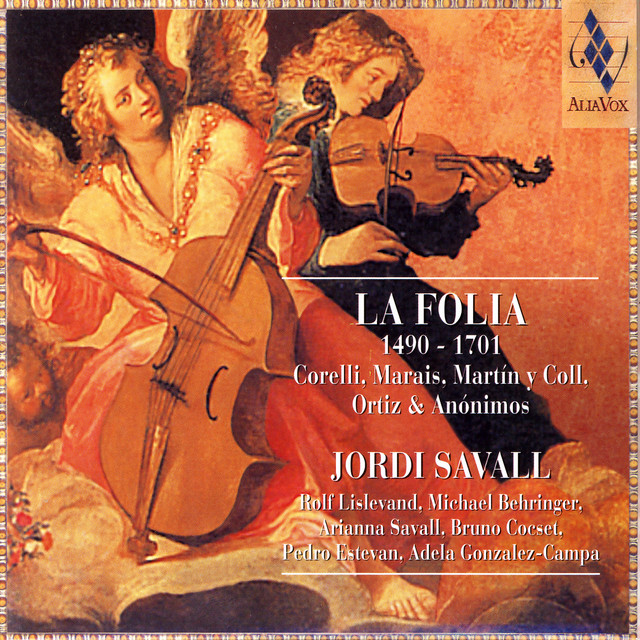
La folia 1490-1701
[anonymous]
2021
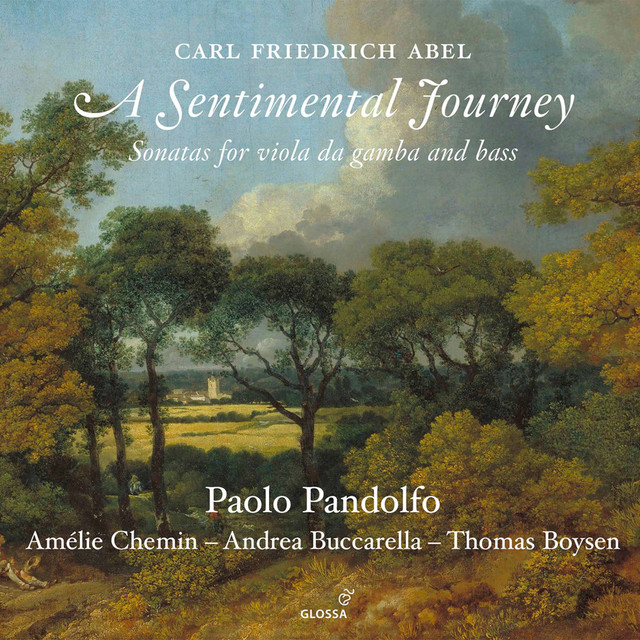
A Sentimental Journey
Paolo Pandolfo
1994
Edvard Grieg: Orchestral Works (Classical Mastepieces)
Academy of St. Martin in the Fields
2001
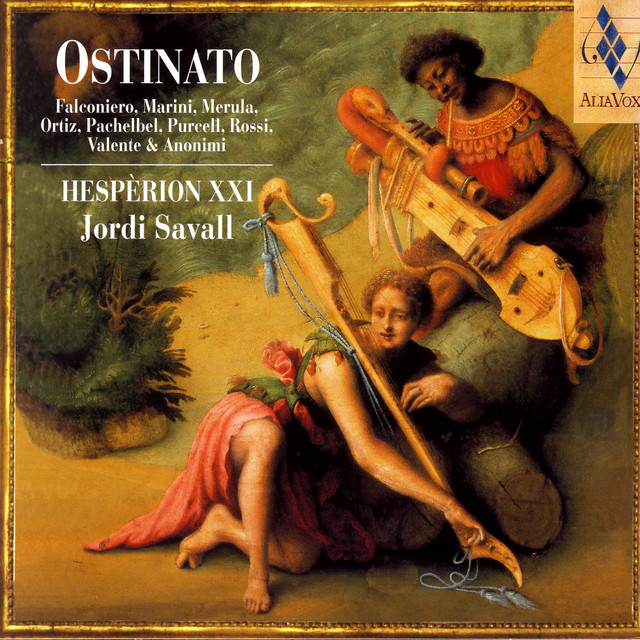
Ostinato
Jordi Savall
2007
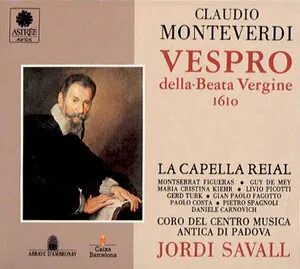
Vespro della Beata Vergine 1610
Claudio Monteverdi
1999
Cuore di Terra
Lucilla Galeazzi
2010
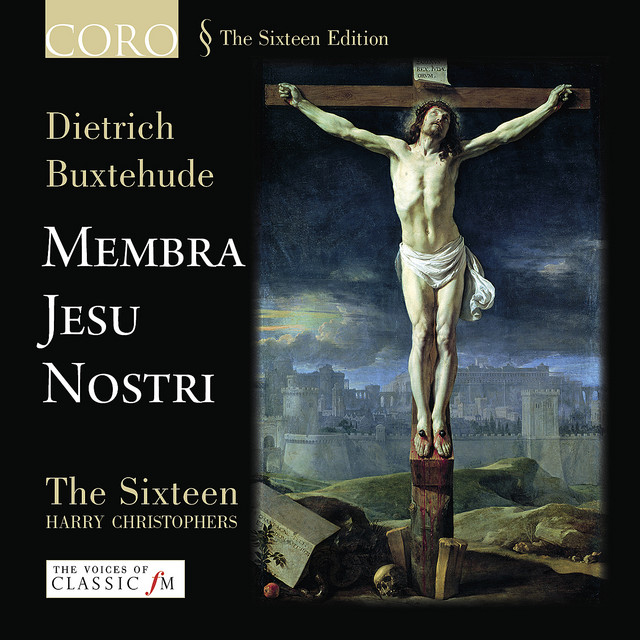
Membra Jesu Nostri
The Sixteen
2000
Quinto libro de' Madrigali
Claudio Monteverdi / Concerto Italiano / Rinaldo Alessandrini
2012
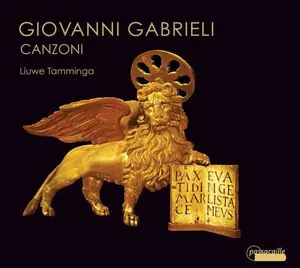
Canzoni
Giovanni Gabrieli / Liuwe Tamminga
2004
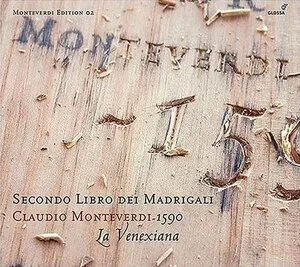
Secondo libro dei madrigali, 1590
Claudio Monteverdi / La Venexiana / Claudio Cavina
Download our mobile app
Get the Melodigging app and start digging for new genres on the go
Download on the App Store
Get it on Google Play
© 2026 Melodigging
Give feedback
Legal
Melodding was created as a tribute to
Every Noise at Once
, which inspired us to help curious minds keep digging into music's ever-evolving genres.