Genres
Make Music
Artists
Albums
Challenges
Sign in
Sign in
Albums
Albums
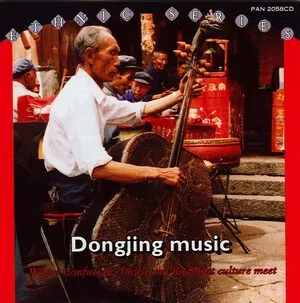
Dongjing Music: Where Confucian, Taoist and Buddhist Cultures Meet
1998
Listen
1
/5
Genres
Naxi Music
Naxi music refers to the musical traditions of the Naxi people of southwest China, especially around Lijiang in Yunnan. It blends broader Chinese musical systems (pentatonic melodic thinking, court/ritual repertories, and ensemble practices) with distinctly local Naxi aesthetics, language, and ceremonial life. A widely recognized core within “Naxi music” is Naxi ancient music (Naxi gu yue), an ensemble tradition that preserves older repertories and performance practices associated with classical Chinese instrumental music as maintained in Naxi communities. Typical sound features include heterophonic ensemble texture (multiple instruments ornamenting the same melody), flexible phrasing shaped by breath and bowing, and timbres from plucked lutes, bowed strings, and bamboo winds.
Discover
Listen
Dongjing
Dongjing (dongjing yinyue) is a Han-Chinese ritual and literati ensemble tradition, most famously preserved among Naxi and Han communities in Yunnan, China. Rooted in Daoist and Confucian ceremonial contexts, it features refined, contemplative instrumental pieces sometimes interwoven with scripture recitation. The music is typically heterophonic: multiple instruments render the same melody with individual ornamentation, yielding a rich, shimmering texture. Melodic language draws on Chinese modal systems and pentatonic scales, while repertoire is organized around qupai (fixed tune models) elaborated through variation. Performances use gongche notation and emphasize balance, breath, and a ritual atmosphere over virtuosic display.
Discover
Listen
Chinese Classical
Chinese classical music refers to the courtly, literati, and ritual musical traditions of China that emphasize refinement, poetic symbolism, and ethical cultivation. It privileges timbre, gesture, and modal color over harmonic progression, and is closely tied to classical poetry, calligraphy, and philosophy. Its core idioms include solo and small-ensemble repertoire for guqin, pipa, xiao, dizi, sheng, guzheng, ruan, and erhu, as well as ritual/ceremonial ensembles. Melodies typically draw on pentatonic and heptatonic modal systems (gong–shang–jue–zhi–yu), use nuanced ornamentation, and favor heterophony when played in ensemble. The tradition is historically transmitted through lineage, handbooks, and mnemonic/character notations (e.g., jianzipu and gongchepu), with performance practice emphasizing breath, space, and expressive inflection (slides, harmonics, and vibrato).
Discover
Listen
Similar albums
1997
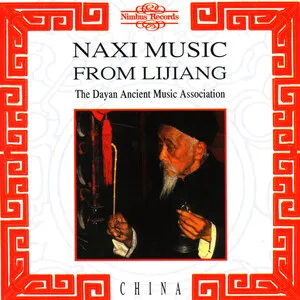
Naxi Music From Lijiang
The Dayan Ancient Music Association
1995
Chinese Traditional Erhu Music 1
Lei Qiang
2008
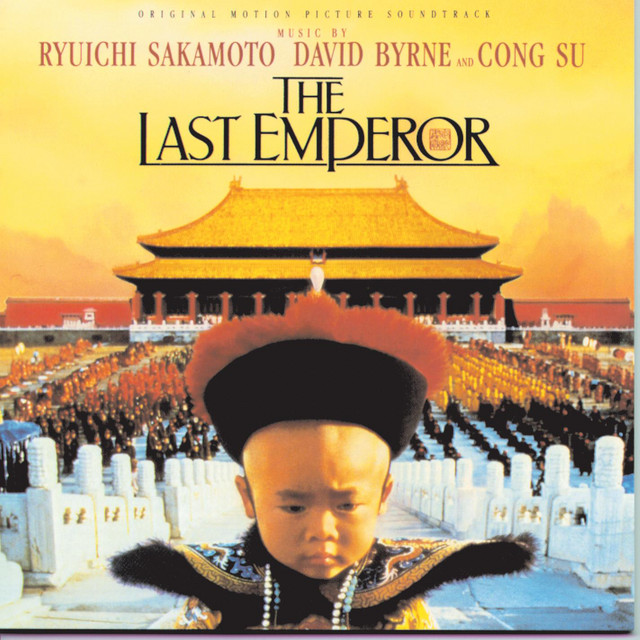
The Last Emperor (Original Soundtrack)
Black Rebel Motorcycle Club, Future Sound of London, The, Jackson, Janet, Genes…
1998
Chinese Traditional Erhu Music 2
Lei Qiang
2002
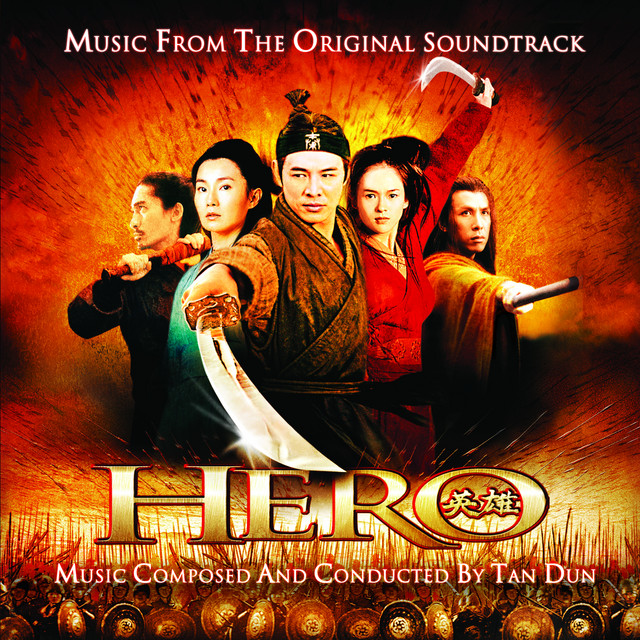
Hero - Music from the Original Soundtrack
Tan Dun
2009
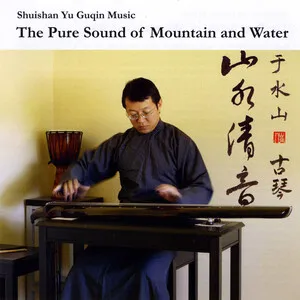
Guqin Music: The Pure Sound of Mountain and Water
Shuishan Yu
1996
Gold Finger: Chinese Guqin
Zeng Chengwei 曾成偉
2017
Guqin Music: The Utopia Empathy of Past and Present
Shuishan Yu
2018
Chine : L'art du Qin
Li Xiangting 李祥霆
2015
Chine: Tsar Teh-yun - Maître du qin / China: Master Tsar - The Art of the Qin
Tsar Teh-yun 蔡德允
Download our mobile app
Get the Melodigging app and start digging for new genres on the go
Download on the App Store
Get it on Google Play
© 2026 Melodigging
Give feedback
Legal
Melodding was created as a tribute to
Every Noise at Once
, which inspired us to help curious minds keep digging into music's ever-evolving genres.