Genres
Make Music
Artists
Albums
Challenges
Sign in
Sign in
Albums
By Murray Gold
Albums
By Murray Gold
Doctor Who - Series 4 (Original Television Soundtrack)
November 17, 2008
Listen
1
/5
Genres
Hauntology
Hauntology is a retro-futurist strain of experimental electronic music that evokes the "ghosts" of lost cultural futures. Emerging in the United Kingdom in the mid‑2000s, it draws on half-remembered media—library music, public information films, children’s TV idents, and Radiophonic textures—to produce an atmosphere of eerie nostalgia and cultural memory. Sonically, the style favors degraded media and analogue patina: vinyl crackle, tape hiss, wow and flutter, and dusty archival samples. It often pairs subdued drones and detuned synths with looped fragments, sparse percussion, and unresolved harmonies to create a feeling that is at once comforting and unsettling. The term originates in Jacques Derrida’s philosophy and was popularized in a musical context by critics such as Mark Fisher and Simon Reynolds. In music, it names both a sound palette and a way of listening that foregrounds memory, media archaeology, and the uncanny persistence of the past within the present.
Discover
Listen
Rock
Rock is a broad family of popular music centered on amplified instruments, a strong backbeat, and song forms that foreground riffs, choruses, and anthemic hooks. Emerging from mid‑20th‑century American styles like rhythm & blues, country, and gospel-inflected rock and roll, rock quickly expanded in scope—absorbing folk, blues, and psychedelic ideas—while shaping global youth culture. Core sonic markers include electric guitar (often overdriven), electric bass, drum kit emphasizing beats 2 and 4, and emotive lead vocals. Rock songs commonly use verse–chorus structures, blues-derived harmony, and memorable melodic motifs, ranging from intimate ballads to high‑energy, stadium‑sized performances.
Discover
Listen
Score
Score refers to original music composed to synchronize with and shape the narrative of visual media—primarily film, television, and, later, video games. Unlike a “soundtrack,” which often compiles pre-existing songs, a score is written to picture, uses timing cues to support storytelling beat by beat, and develops recurring themes (leitmotifs) for characters, settings, or ideas. The palette ranges from late‑Romantic orchestration and modernist harmony to jazz idioms, electronic sound design, and global instrumentation. Hallmarks include thematic development, hit points, motif variation, orchestration color, and a close relationship with sound effects and dialogue in the final mix.
Discover
Listen
Electronic
Electronic is a broad umbrella genre defined by the primary use of electronically generated or electronically processed sound. It encompasses music made with synthesizers, drum machines, samplers, computers, and studio/tape techniques, as well as electroacoustic manipulation of recorded or synthetic sources. The genre ranges from academic and experimental traditions to popular and dance-oriented forms. While its sonic palette is rooted in electricity and circuitry, its aesthetics span minimal and textural explorations, structured song forms, and beat-driven club permutations. Electronic emphasizes sound design, timbre, and studio-as-instrument practices as much as melody and harmony.
Discover
Listen
Similar albums
2013
Drifters / Love Is the Devil
Dirty Beaches
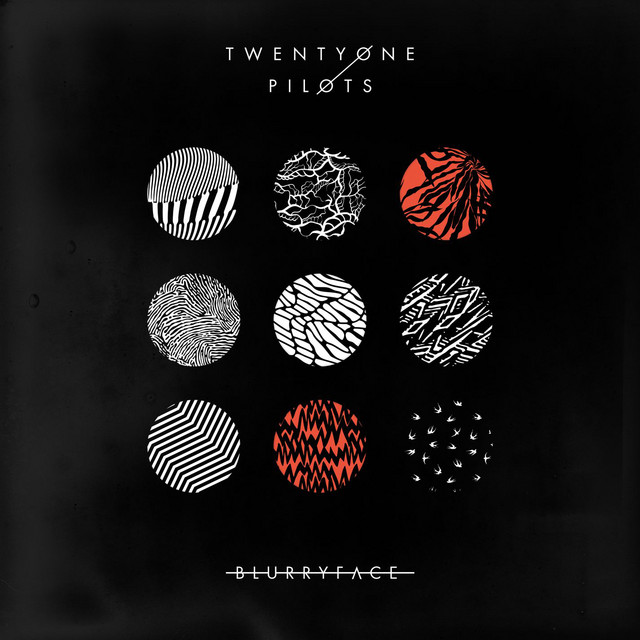
2015
Blurryface
Twenty One Pilots
2013
I Love You.
The Neighbourhood
2025
Deadbeat
Tame Impala
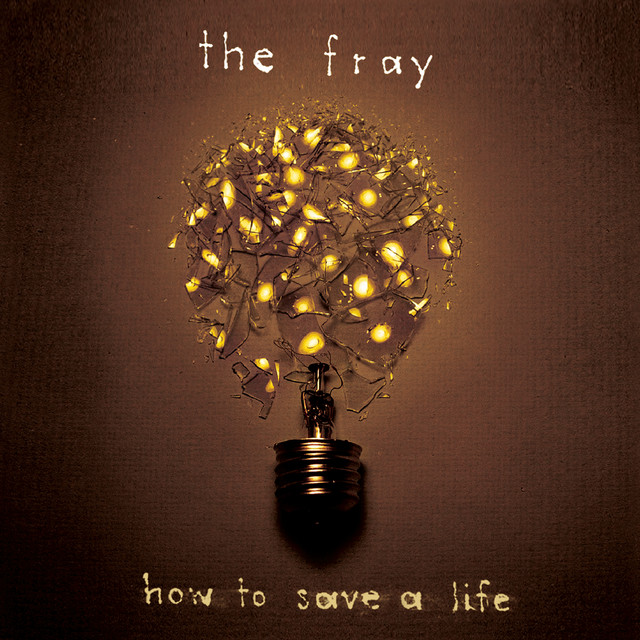
2005
How To Save A Life
The Fray
2018
BALLADS 1
Joji
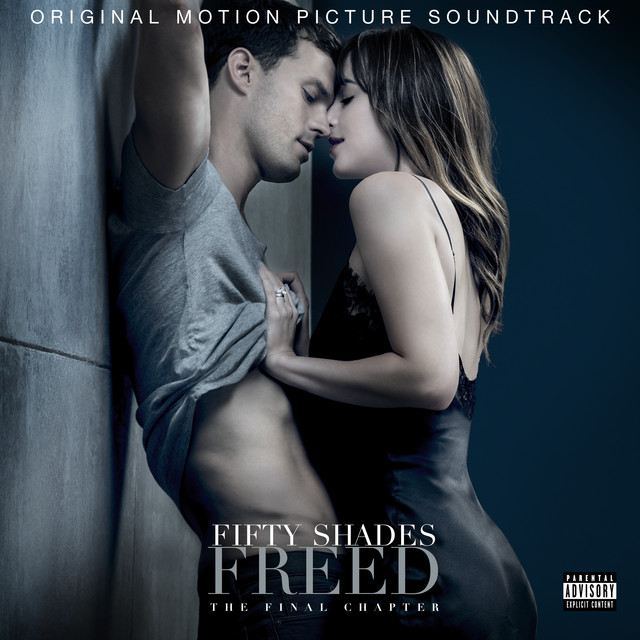
2018
Fifty Shades Freed (Original Motion Picture Soundtrack)
Ellie Goulding
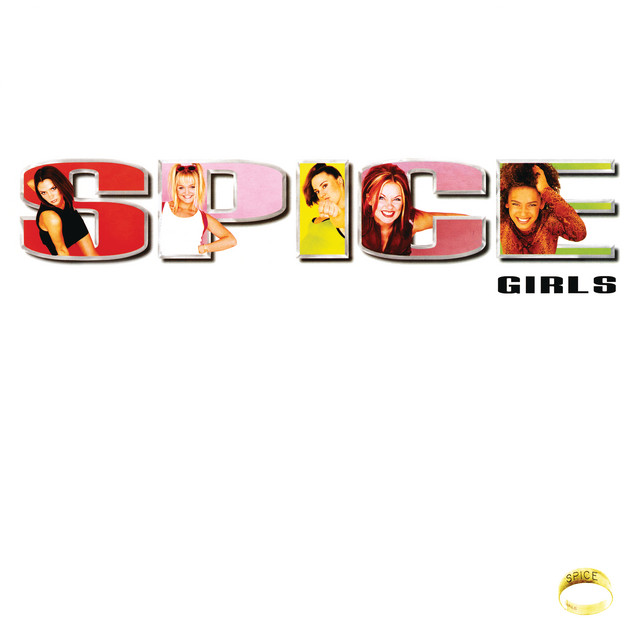
1996
Spice
Spice Girls
2020
Nectar
Joji
2010
Plastic Beach
Gorillaz
Download our mobile app
Get the Melodigging app and start digging for new genres on the go
Download on the App Store
Get it on Google Play
© 2026 Melodigging
Give feedback
Legal
Melodding was created as a tribute to
Every Noise at Once
, which inspired us to help curious minds keep digging into music's ever-evolving genres.