Genres
Make Music
Artists
Albums
Challenges
Sign in
Sign in
Albums
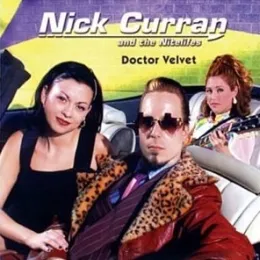
By Nick Curran and The Nightlifes
Albums
By Nick Curran and The Nightlifes
Doctor Velvet
February 4, 2003
Listen
1
/5
Genres
Rock
Rock is a broad family of popular music centered on amplified instruments, a strong backbeat, and song forms that foreground riffs, choruses, and anthemic hooks. Emerging from mid‑20th‑century American styles like rhythm & blues, country, and gospel-inflected rock and roll, rock quickly expanded in scope—absorbing folk, blues, and psychedelic ideas—while shaping global youth culture. Core sonic markers include electric guitar (often overdriven), electric bass, drum kit emphasizing beats 2 and 4, and emotive lead vocals. Rock songs commonly use verse–chorus structures, blues-derived harmony, and memorable melodic motifs, ranging from intimate ballads to high‑energy, stadium‑sized performances.
Discover
Listen
Jump Blues
Jump blues is a high‑energy, small‑combo offshoot of swing and urban blues that crystallized in the United States during the 1940s. It features driving boogie‑woogie piano patterns, a propulsive shuffle or backbeat, riffing horn sections (often led by tenor sax), and exuberant, shout‑style vocals. Songs typically use 12‑bar blues or related blues‑based forms at brisk tempos, with catchy call‑and‑response hooks between singer and horns. Lyrics frequently center on nightlife, romance, humor, and double entendres. The style’s compact arrangements, honking sax solos, and dance‑floor focus made it a jukebox staple and a crucial bridge from swing to rhythm and blues and early rock and roll.
Discover
Listen
Electric Blues
Electric blues is a postwar evolution of the blues that centers on amplified instruments and a compact, urban band sound. It emerged when rural blues musicians brought their music to industrial cities and adopted electric guitar, amplified harmonica, bass, drums, and piano to cut through noisy clubs. Musically, electric blues relies on 12‑bar and 8‑bar forms, dominant‑7th harmony, and a swung shuffle or boogie groove. Guitarists use string bends, wide vibrato, double‑stops, turnarounds, and call‑and‑response with vocals and harmonica. Amplified harmonica (often through a bullet mic and small tube amp) acts like a lead horn, trading riffs with the guitar. The sound is thick, gritty, and vocal, with tube‑amp breakup, subtle reverb, and sometimes tremolo. Lyrically, themes cover migration, love and betrayal, work and hardship, and the pulse of city life. Regionally, Chicago became the emblem of the style, but strong variants also blossomed in Memphis, Detroit, and Texas.
Discover
Listen
Blues
Blues is an African American musical tradition defined by expressive "blue notes," call-and-response phrasing, and a characteristic use of dominant-seventh harmony in cyclical song forms (most famously the 12‑bar blues). It is as much a feeling as a form, conveying sorrow, resilience, humor, and hard-won joy. Musically, blues commonly employs the I–IV–V progression, swung or shuffled rhythms, and the AAB lyric stanza. Melodies lean on the minor/major third ambiguity and the flattened fifth and seventh degrees. Core instruments include voice, guitar (acoustic or electric), harmonica, piano, bass, and drums, with slide guitar, bends, and vocal melismas as signature techniques. Over time the blues has diversified into regional and stylistic currents—Delta and Piedmont country blues, urban Chicago and Texas blues, West Coast jump and boogie-woogie—while profoundly shaping jazz, rhythm & blues, rock and roll, soul, funk, and much of modern popular music.
Discover
Listen
Similar albums
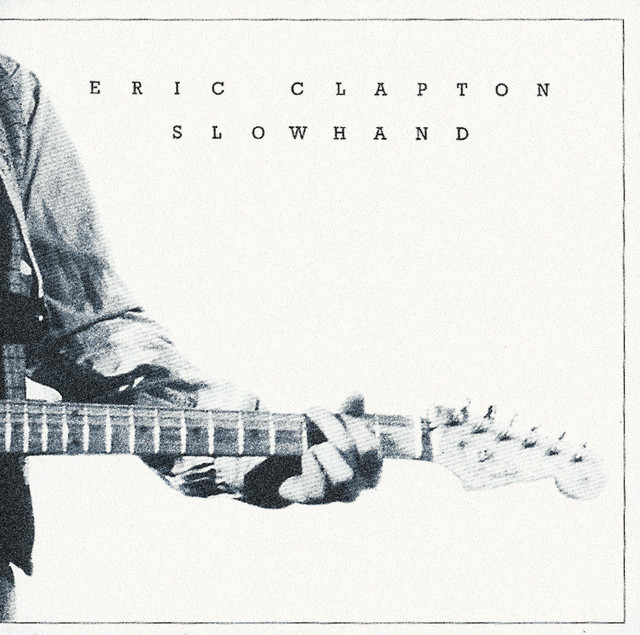
1977
Slowhand 35th Anniversary
Eric Clapton
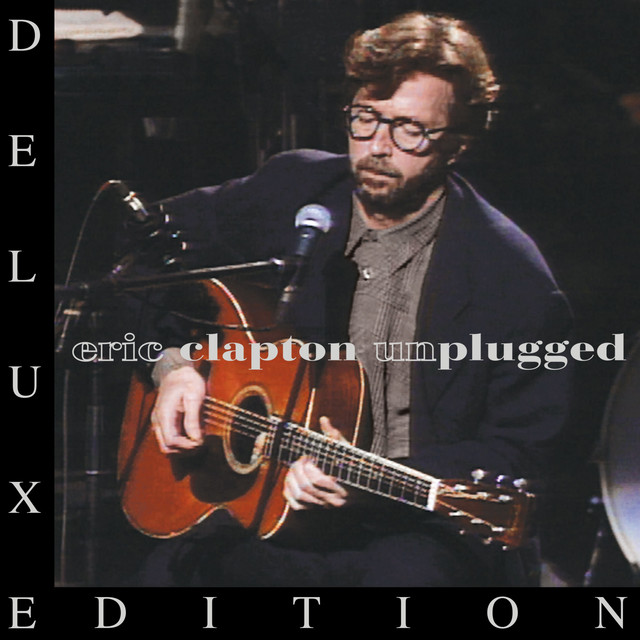
1992
Unplugged (Deluxe Edition) (Live)
Eric Clapton
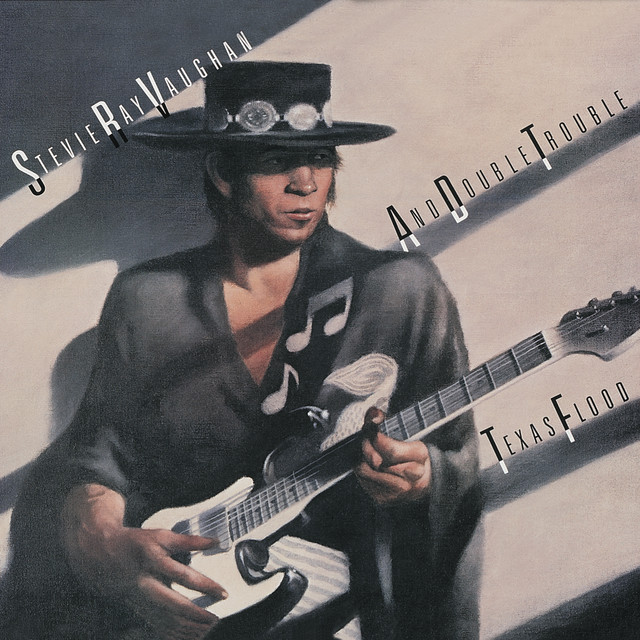
1983
Texas Flood
Stevie Ray Vaughan and Double Trouble
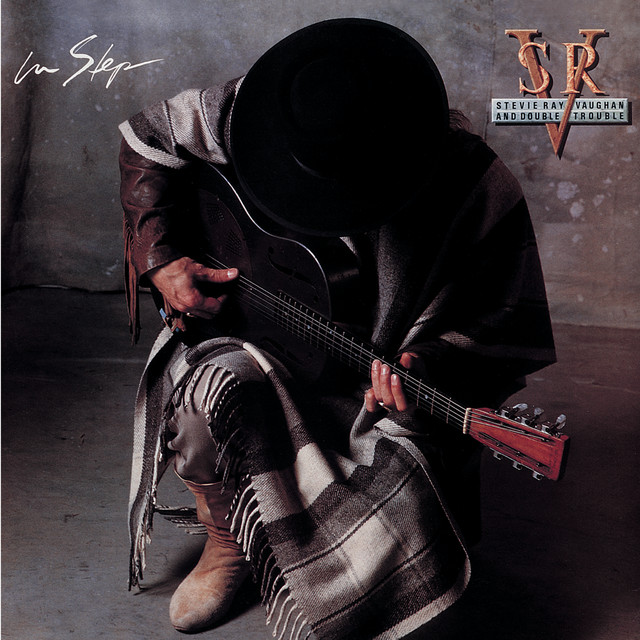
1989
In Step
Stevie Ray Vaughan and Double Trouble
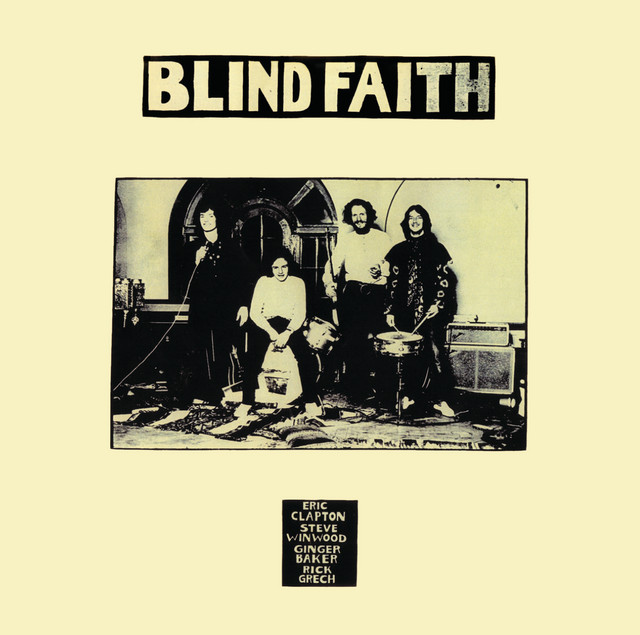
1969
Blind Faith
Blind Faith
1968
Super Session
Mike Bloomfield, Al Kooper & Steve Stills
1969
After the Rain
Muddy Waters
1970
I Am the Blues
Willie Dixon
1974
Burglar
Freddie King
2005
The Sect
Downliners Sect
Download our mobile app
Get the Melodigging app and start digging for new genres on the go
Download on the App Store
Get it on Google Play
© 2026 Melodigging
Give feedback
Legal
Melodding was created as a tribute to
Every Noise at Once
, which inspired us to help curious minds keep digging into music's ever-evolving genres.