Genres
Make Music
Artists
Albums
Challenges
Sign in
Sign in
Albums
By Johann Sebastian Bach
Albums
By Johann Sebastian Bach
Die Kunst der Fuge
January 1, 1990
Listen
1
/5
Genres
Fugue
A fugue is a contrapuntal composition built around a single, clearly defined musical subject that is imitated and developed across multiple independent voices. One voice introduces the subject, and subsequent voices enter successively with an answer (a transposed version of the subject), often accompanied by a recurring countersubject. After the exposition, episodes made from fragments of the subject and countersubject modulate to related keys and prepare further entries. Composers employ devices such as inversion, augmentation, diminution, stretto, and pedal points to intensify the texture and drive form. Fugues appear as stand‑alone keyboard or organ works, as movements in chamber and orchestral music, and as sections within larger vocal or instrumental genres.
Discover
Listen
Baroque
Baroque is a period and style of Western art music spanning roughly 1600–1750. It is characterized by the birth of functional tonality, the widespread use of basso continuo (figured bass), and a love of contrast—between soloist and ensemble, loud and soft, and different timbres. Hallmark genres and forms of the era include opera, cantata, oratorio, concerto (especially the concerto grosso), dance suite, sonata, and fugue. Textures range from expressive monody to intricate counterpoint, and melodies are richly ornamented with trills, mordents, and appoggiaturas. Baroque music flourished in churches, courts, and theaters across Europe, with regional styles (Italian, French, German, English) shaping distinctive approaches to rhythm, dance, harmony, and ornamentation.
Discover
Listen
European Music
“European music” is a broad umbrella covering the historical and regional practices that developed across the European continent, from medieval sacred chant and courtly song to folk traditions, art (classical) music, and later popular and electronic styles. Common threads include the codification of staff notation, the development of modal and later tonal harmony, the use of structured forms (e.g., mass, motet, madrigal; sonata, symphony, opera; verse–chorus song), and a rich palette of instruments culminating in the modern orchestra and various regional folk ensembles. While extremely diverse from region to region, European music is marked by a continuous dialogue between sacred and secular practices, learned written traditions and oral folk idioms, and later between art music and mass-market popular genres.
Discover
Listen
Similar albums
1992
Die Kunst der Fuge
Johann Sebastian Bach / Tatiana Nikolayeva
1973
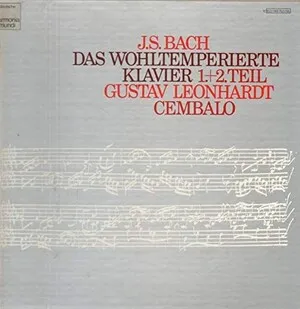
Das wohltemperierte Klavier 1.+2. Teil
Johann Sebastian Bach / Gustav Leonhardt
1981
The Goldberg Variations
Johann Sebastian Bach / Glenn Gould
1989
The Brandenburg Concertos
Johann Sebastian Bach / Orchestra of the Age of Enlightenment
1956
The Goldberg Variations
Johann Sebastian Bach / Glenn Gould
1999
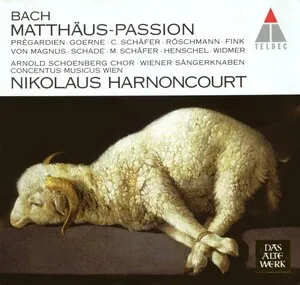
Matthäus-Passion
Johann Sebastian Bach
2007
Sechs Suiten für Violoncello solo BWV 1007-1012
Johann Sebastian Bach / Pierre Fournier
1989
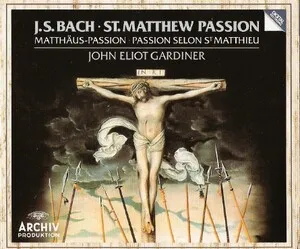
St. Matthew Passion
Johann Sebastian Bach / John Eliot Gardiner
2001
Matthäus-Passion
Johann Sebastian Bach
2000
Messe en si
Johann Sebastian Bach / Collegium Vocale Gent / Philippe Herreweghe
Download our mobile app
Get the Melodigging app and start digging for new genres on the go
Download on the App Store
Get it on Google Play
© 2026 Melodigging
Give feedback
Legal
Melodding was created as a tribute to
Every Noise at Once
, which inspired us to help curious minds keep digging into music's ever-evolving genres.