Genres
Make Music
Artists
Albums
Challenges
Sign in
Sign in
Albums
By David Bowie
Albums
By David Bowie
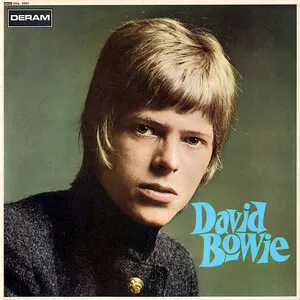
David Bowie
June 1, 1967
Listen
3
/5
Genres
Toytown Pop
Toytown pop (sometimes called "toytown psych") is a whimsical, childlike offshoot of late‑1960s British psychedelic pop. It mixes bright, sing‑song melodies and music‑hall bounce with storybook lyrics, sound effects, and colorful orchestration. Songs often feel like miniature cartoons or nursery rhymes brought to life, featuring harpsichord, Mellotron, woodwinds, brass, glockenspiel, toy pianos, and fairground organs. Harmonically it leans on diatonic, major‑key writing with quick key lifts and baroque‑pop touches, while production embraces psychedelic tricks such as tape varispeed, ADT, flanging, and collage‑style interludes. The overall effect is playful, nostalgic, and vividly cinematic—psychedelia viewed through a child’s kaleidoscope.
Discover
Listen
Baroque Pop
Baroque pop is a mid‑1960s fusion of contemporary pop/rock songwriting with the timbres, textures, and contrapuntal techniques of Baroque and broader European classical music. It is marked by harpsichord and piano doubling, string quartets or small orchestras, woodwinds (oboe, recorder, bassoon), French horn and piccolo trumpet colors, and melody‑forward arrangements that favor counter‑melodies and suspensions over riff‑based accompaniment. Harmonies tend to be richer than standard rock, with chromatic voice‑leading, circle‑of‑fifths motion, deceptive cadences, and occasional modulations. Production is usually lush and reverberant, supporting reflective, often nostalgic or romantic lyrics. Although it overlaps with orchestral pop and psychedelic pop, baroque pop is distinguished by its chamber‑scale instrumentation, Baroque idioms (basso continuo feel, ornamented lines), and the way classical elements are woven into compact pop song forms.
Discover
Listen
Rock
Rock is a broad family of popular music centered on amplified instruments, a strong backbeat, and song forms that foreground riffs, choruses, and anthemic hooks. Emerging from mid‑20th‑century American styles like rhythm & blues, country, and gospel-inflected rock and roll, rock quickly expanded in scope—absorbing folk, blues, and psychedelic ideas—while shaping global youth culture. Core sonic markers include electric guitar (often overdriven), electric bass, drum kit emphasizing beats 2 and 4, and emotive lead vocals. Rock songs commonly use verse–chorus structures, blues-derived harmony, and memorable melodic motifs, ranging from intimate ballads to high‑energy, stadium‑sized performances.
Discover
Listen
Music Hall
Music hall is a 19th- and early-20th-century British form of popular entertainment centered on comic songs, patter, novelty acts, and audience participation. It grew out of pub concert rooms and purpose-built halls where singers and comedians performed short, catchy numbers with memorable choruses. Its songs typically feature everyday themes, double entendre, and local dialects, supported by piano or small ensemble accompaniment. The style blends sentimental ballads with jaunty patter songs and marches, designed for communal singing and lively theatrical showmanship.
Discover
Listen
Similar albums
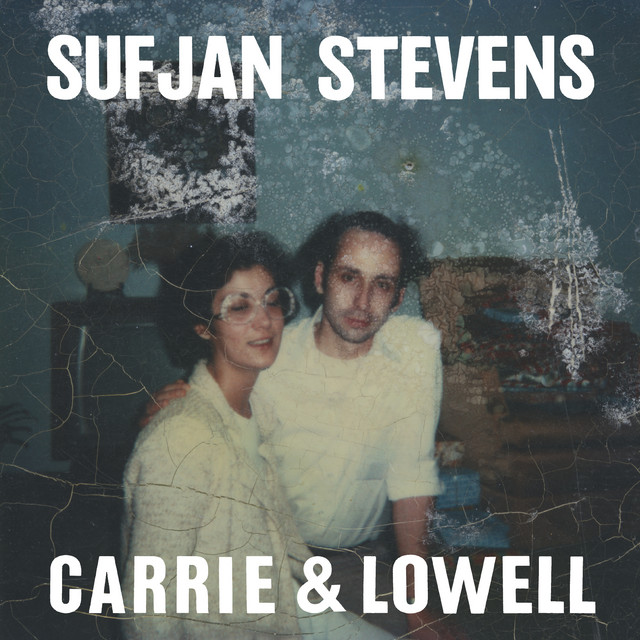
2015
Carrie & Lowell
Sufjan Stevens
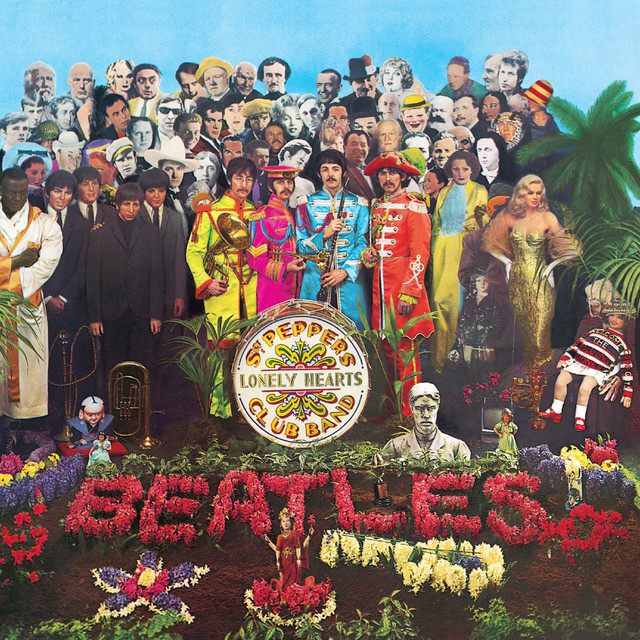
1967
Sgt. Pepper's Lonely Hearts Club Band
The Beatles
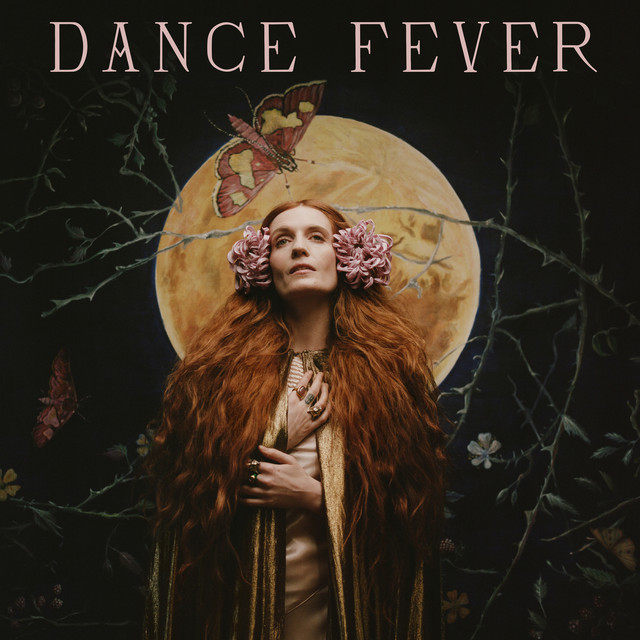
2022
Dance Fever
Florence + The Machine
2016
Everything You've Come To Expect (Deluxe Edition)
The Last Shadow Puppets
1966
Pet Sounds
The Beach Boys
2025
The Clearing
Wolf Alice
2022
Stranger Things: Soundtrack from the Netflix Series, Season 4
Talking Heads
2019
Stranger Things: Soundtrack from the Netflix Original Series, Season 3
The Pointer Sisters
2025
Forever Howlong
Black Country, New Road
1962
Crying
Roy Orbison
Download our mobile app
Get the Melodigging app and start digging for new genres on the go
Download on the App Store
Get it on Google Play
© 2026 Melodigging
Give feedback
Legal
Melodding was created as a tribute to
Every Noise at Once
, which inspired us to help curious minds keep digging into music's ever-evolving genres.