Genres
Artists
Albums
Make Music
Sign in
Sign in
Albums
By Los Auténticos Decadentes
Albums
By Los Auténticos Decadentes
Cualquiera puede cantar!!!
1997
Listen
Genres
Pachanga
Pachanga is a fast, festive Cuban dance‑music genre created in the late 1950s as a mixture of son montuno and merengue, performed primarily by charanga ensembles (flute, violins, piano, bass, timbales, güiro, and conga). Very similar in feel to the cha-cha-chá but with a notably stronger downbeat and a buoyant 2/4 bounce, pachanga features jocular, mischievous lyrics and animated call‑and‑response coros. Its arrangements spotlight bright violin riffs, agile flute leads, and driving piano/bass tumbaos that propel the signature “pachanga step” on the dance floor. Originating in Cuba and exploding across the Caribbean soon after, pachanga played a pivotal role in the evolution of Caribbean popular music. Introduced to the United States in the post‑World‑War‑II era (and especially after 1959), it sparked a major New York charanga craze that fed directly into Latin boogaloo and, ultimately, the development of salsa.
Discover
Listen
Latin
Latin (as a genre label) is a broad umbrella used by the recording industry to categorize popular music rooted in Latin America, the Caribbean, and the Iberian world, often characterized by syncopated Afro-diasporic rhythms, dance-forward grooves, and lyrics primarily in Spanish or Portuguese. As a marketplace category that took shape in the mid-20th century United States, it gathers diverse traditions—Afro-Cuban, Brazilian, Mexican, and Caribbean styles—into a shared space. In practice, "Latin" spans everything from big-band mambo and bolero ballads to contemporary pop, rock, hip hop, and dance fusions produced by artists of Latin American heritage.
Discover
Listen
Cumbia
Cumbia is a syncretic dance-music tradition from Colombia’s Caribbean coast that blends African rhythmic heritage, Indigenous (especially gaita flute) melodic practice, and Spanish colonial instrumentation and forms. Traditionally performed in a moderate 2/4 (often felt in 4/4 today), it features interlocking hand-drum parts (tambora, alegre, llamador), guacharaca or maracas for steady texture, and long cane flutes (gaita hembra and gaita macho) carrying call-and-response melodies. As it spread in the 20th century, orchestras and dance bands added accordion, horns, piano, bass, and later electric guitar and synthesizers, creating urban and pan–Latin American variants. Harmonically simple and rhythm-forward, cumbia places groove, ostinati, and vocal refrains at the center, making it both ceremonial in origin and enduringly popular on social dance floors across the Americas.
Discover
Listen
Similar albums
1995
Mi vida loca
Los Auténticos Decadentes
2001
Barrio bravo
Celso Piña
2014
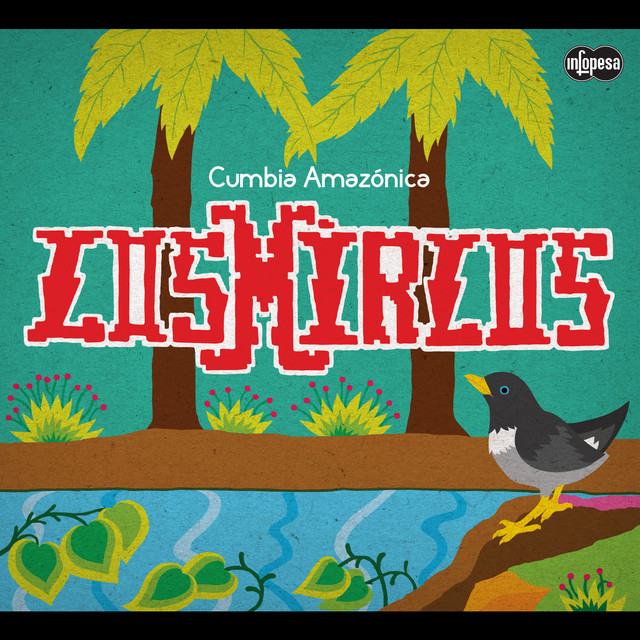
Cumbia Amazonica
Los Mirlos
2014
Cumbias Chichadelicas: Peruvian Psychedelic Chicha
Los Mirlos
1993
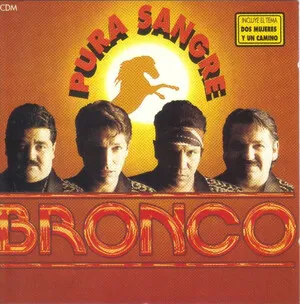
Pura sangre
Bronco
2009
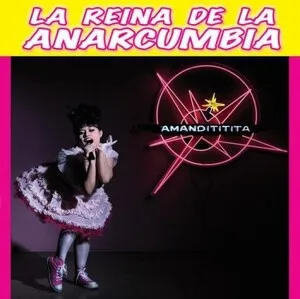
La reina de la anarcumbia
Amandititita
1989
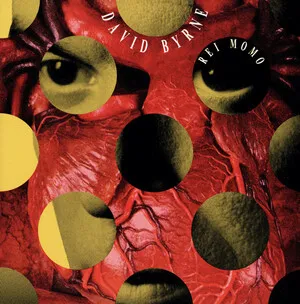
Rei Momo
David Byrne
2008
La danza del petrolero
Los Wembler's de Iquitos
2018
El gran cacique
Juaneco y Su Combo
1963
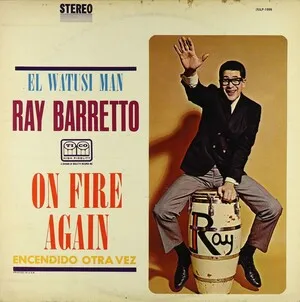
On Fire Again (Encendido otra vez)
Ray Barretto
Download our mobile app
Get the Melodigging app and start digging for new genres on the go
Download on the App Store
Get it on Google Play
© 2026 Melodigging
Give feedback
Legal
Melodding was created as a tribute to
Every Noise at Once
, which inspired us to help curious minds keep digging into music's ever-evolving genres.