Genres
Make Music
Artists
Albums
Challenges
Sign in
Sign in
Albums
By Dave Alvin
Albums
By Dave Alvin
Common Ground: Dave Alvin & Phil Alvin Play and Sing the Songs of Big Bill Broonzy
June 3, 2014
Listen
1
/5
Genres
Acoustic Chicago Blues
Acoustic Chicago blues is the pre-amplified, small-combo urban blues that flourished in Chicago in the 1930s and early 1940s, bridging Southern country blues and the later electric Chicago sound. It features acoustic guitars (often flat-top or resonator), harmonica, washboard or light percussion, upright bass, and occasional piano, with a crisp, street-corner immediacy. Musically it centers on 12‑bar and 8‑bar blues forms, ragtime-tinged bass runs, and vocal-guitar call-and-response. Lyrically it pivots from rural topics to urban life: migration, rent, factory work, nightlife, and love. This style set the template for Chicago’s postwar electric blues by codifying ensemble roles, repertoire, and rhythmic feel before amplification became standard.
Discover
Listen
Country Blues
Country blues—also called rural blues or folk blues—is the earliest widely documented form of the blues, rooted in the everyday music-making of African Americans in the rural American South. It typically features a solo singer accompanying themselves on acoustic guitar, with flexible time, expressive vocal delivery, and abundant use of blue notes. While 12‑bar structures are common, country blues often stretches or compresses measures to fit the lyric, making phrasing elastic and conversational. Regional flavors emerged—Delta (driving, droning thumb bass and slide), Piedmont (ragtime‑inflected fingerpicking), and Texas (looser phrasing and single‑string leads)—but all share storytelling lyrics about work, travel, love, hardship, and spiritual longing.
Discover
Listen
Blues
Blues is an African American musical tradition defined by expressive "blue notes," call-and-response phrasing, and a characteristic use of dominant-seventh harmony in cyclical song forms (most famously the 12‑bar blues). It is as much a feeling as a form, conveying sorrow, resilience, humor, and hard-won joy. Musically, blues commonly employs the I–IV–V progression, swung or shuffled rhythms, and the AAB lyric stanza. Melodies lean on the minor/major third ambiguity and the flattened fifth and seventh degrees. Core instruments include voice, guitar (acoustic or electric), harmonica, piano, bass, and drums, with slide guitar, bends, and vocal melismas as signature techniques. Over time the blues has diversified into regional and stylistic currents—Delta and Piedmont country blues, urban Chicago and Texas blues, West Coast jump and boogie-woogie—while profoundly shaping jazz, rhythm & blues, rock and roll, soul, funk, and much of modern popular music.
Discover
Listen
Similar albums
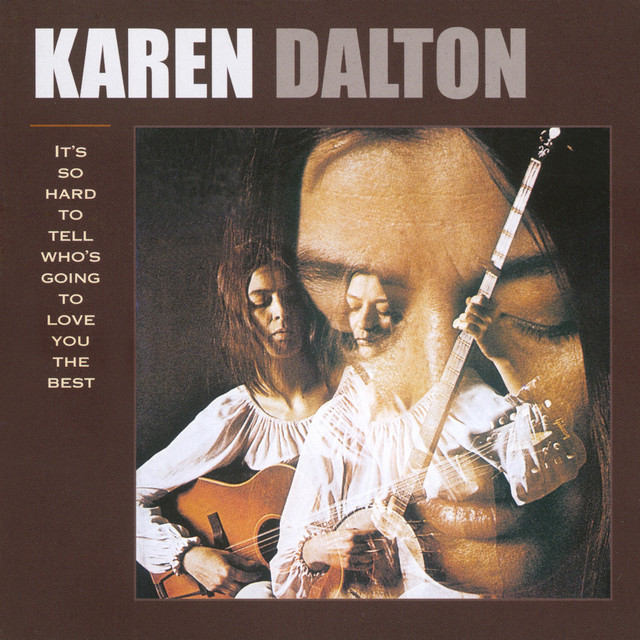
1969
It's So Hard to Tell Who's Going to Love You the Best
Karen Dalton
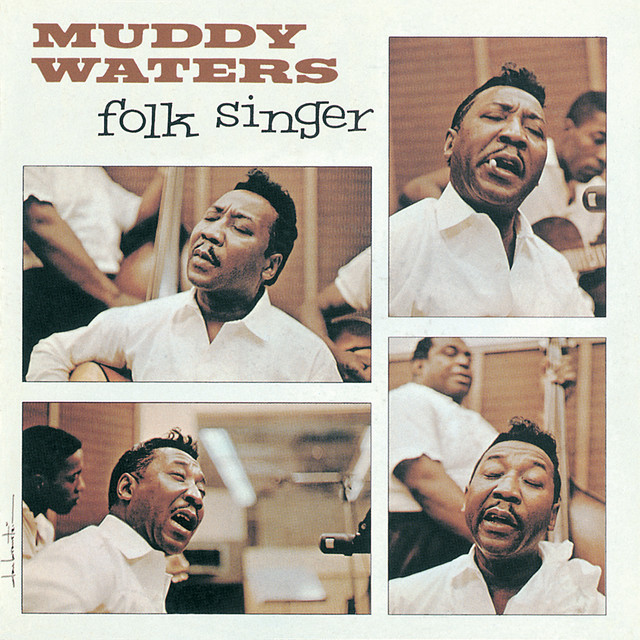
1964
Folk Singer
Muddy Waters
1989
Folksongs and Instrumentals With Guitar
Elizabeth Cotten
2025
TUDO É TUA GRAÇA (BLUES) - By SOM DA PALAVRA
SOM DA PALAVRA
1998
God Knows I Tried
Junior Kimbrough
1991
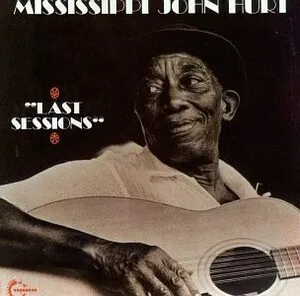
Last Sessions
Mississippi John Hurt
1997
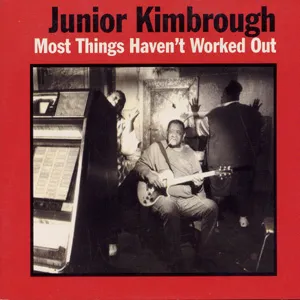
Most Things Haven't Worked Out
Junior Kimbrough
1992
Father of Folk Blues
Son House
1994
Leadbelly's Last Sessions Volume One
Leadbelly
1960
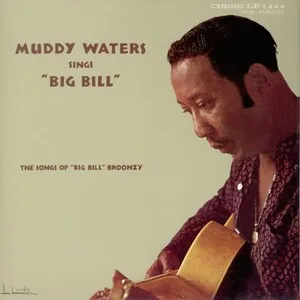
Muddy Waters Sings "Big Bill"
Muddy Waters
Download our mobile app
Get the Melodigging app and start digging for new genres on the go
Download on the App Store
Get it on Google Play
© 2026 Melodigging
Give feedback
Legal
Melodding was created as a tribute to
Every Noise at Once
, which inspired us to help curious minds keep digging into music's ever-evolving genres.