Genres
Artists
Albums
Make Music
Sign in
Sign in
Albums
By The Drifters
Albums
By The Drifters
Clyde McPhatter & The Drifters
1956
Listen
Genres
Doo-Wop
Doo-wop is a vocal harmony–driven style of rhythm and blues that blossomed in mid-century urban America. Built around lead-tenor melodies, lush background harmonies, and playful nonsense syllables (the source of its name), the genre blends church-bred gospel techniques with street-corner spontaneity. Musically, doo-wop favors simple, singable chord cycles—especially the “’50s progression” (I–vi–IV–V)—a steady 4/4 or lilting 12/8 feel, and call-and-response between lead and backing parts. Arrangements range from a cappella to small combos with guitar, piano, bass, light drums, and occasional saxophone. Lyrically, the songs are often teen-centered: romance, longing, heartbreak, and devotion. The sound emerged in the late 1940s within African-American communities and soon resonated across ethnic lines, inspiring groups in cities such as New York, Philadelphia, Chicago, Detroit, and Los Angeles. Its polished harmonies, sweet ballads, and hooky refrains helped shape early rock and roll and later pop harmony traditions.
Discover
Listen
R&b
R&B (Rhythm and Blues) is a vocal- and groove-centered popular music tradition that blends blues tonality, jazz harmony, and gospel-inflected singing with a steady backbeat. It emphasizes expressive lead vocals, call-and-response, lush harmonies, and danceable rhythms. From its 1940s roots in African American communities to its later evolutions, R&B has continually absorbed and reshaped surrounding sounds—from jump blues and swing in the early days to soul, funk, hip hop, and electronic production in the contemporary era. Today, R&B ranges from intimate, slow-burning ballads to club-ready tracks, all tied together by a focus on feel, melody, and vocal performance.
Discover
Listen
Blues
Blues is an African American musical tradition defined by expressive "blue notes," call-and-response phrasing, and a characteristic use of dominant-seventh harmony in cyclical song forms (most famously the 12‑bar blues). It is as much a feeling as a form, conveying sorrow, resilience, humor, and hard-won joy. Musically, blues commonly employs the I–IV–V progression, swung or shuffled rhythms, and the AAB lyric stanza. Melodies lean on the minor/major third ambiguity and the flattened fifth and seventh degrees. Core instruments include voice, guitar (acoustic or electric), harmonica, piano, bass, and drums, with slide guitar, bends, and vocal melismas as signature techniques. Over time the blues has diversified into regional and stylistic currents—Delta and Piedmont country blues, urban Chicago and Texas blues, West Coast jump and boogie-woogie—while profoundly shaping jazz, rhythm & blues, rock and roll, soul, funk, and much of modern popular music.
Discover
Listen
Similar albums
Hide discovered
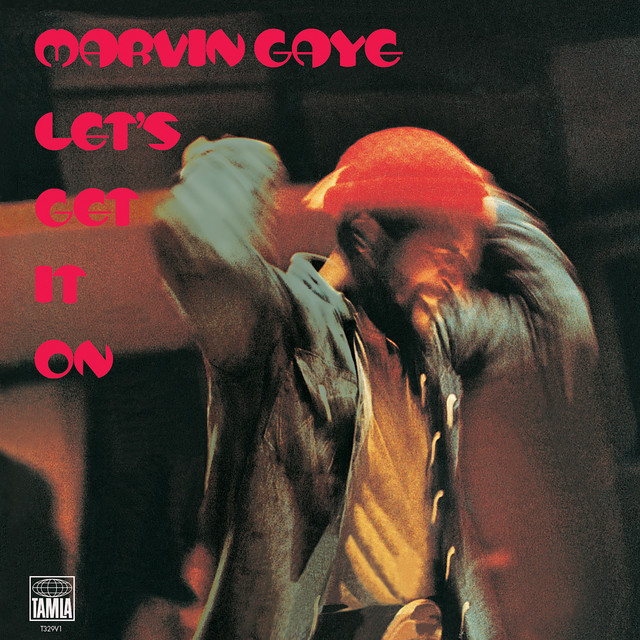
1973
Let's Get It On
Marvin Gaye
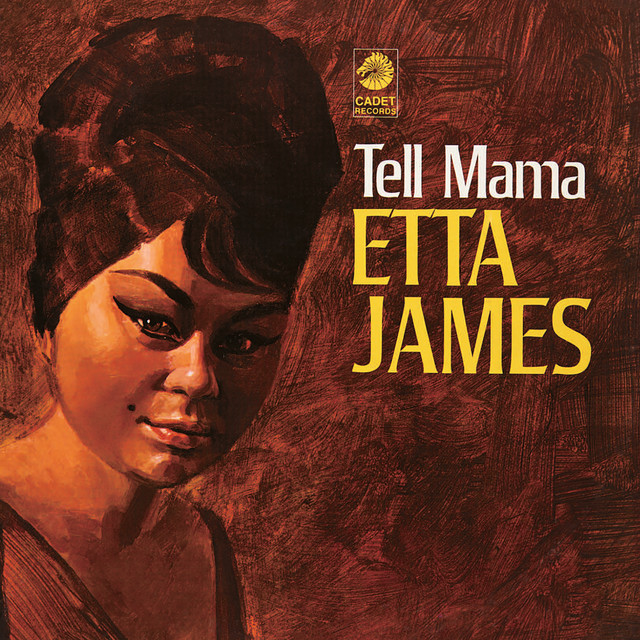
1968
Tell Mama
Etta James
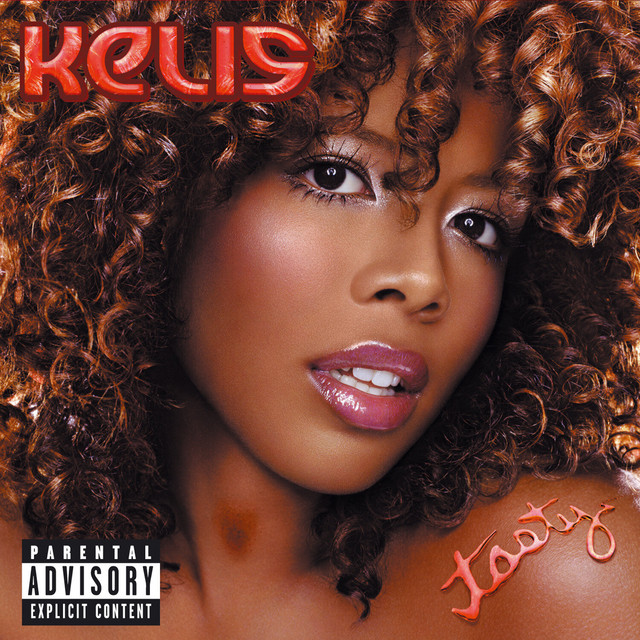
2003
Tasty
Kelis
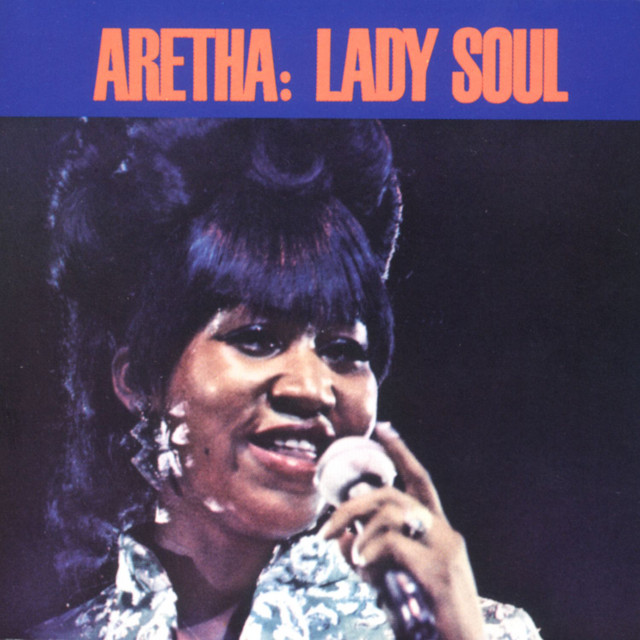
1968
Lady Soul
Aretha Franklin
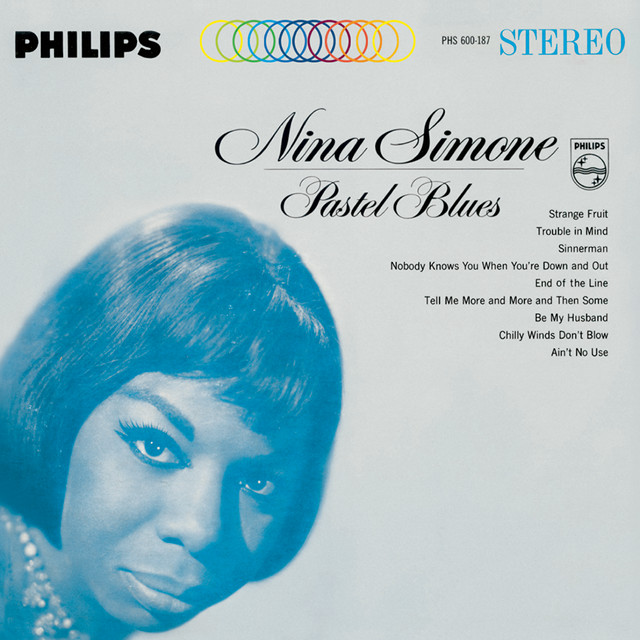
1965
Pastel Blues
Nina Simone
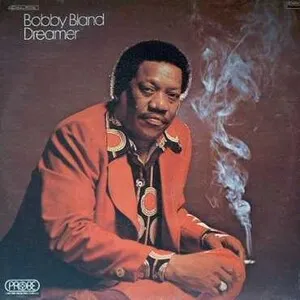
1974
Dreamer
Bobby Bland
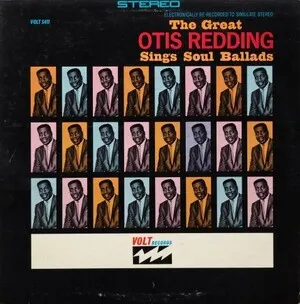
1965
The Great Otis Redding Sings Soul Ballads
Otis Redding
1965
Otis Blue: Otis Redding Sings Soul
Otis Redding
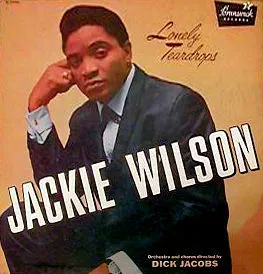
1959
Lonely Teardrops
Jackie Wilson
1996
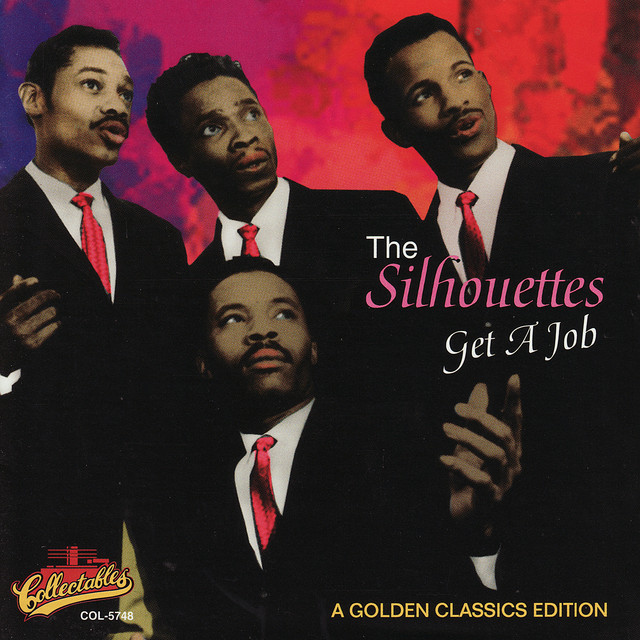
Get a Job
The Silhouettes
Download our mobile app
Get the Melodigging app and start digging for new genres on the go
Download on the App Store
Get it on Google Play
© 2026 Melodigging
Give feedback
About & FAQ
Legal
Melodding was created as a tribute to
Every Noise at Once
, which inspired us to help curious minds keep digging into music's ever-evolving genres.