Genres
Make Music
Artists
Albums
Challenges
Sign in
Sign in
Albums
By Cul de Sac
Albums
By Cul de Sac
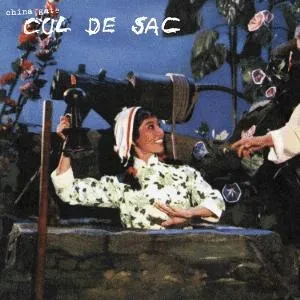
China Gate
May 21, 1996
Listen
1
/5
Genres
Space Rock Revival
Space rock revival is a late-20th-century resurgence of the expansive, cosmic-minded rock pioneered in the 1960s–70s. It blends hypnotic repetition, long-form song structures, and saturated, effects-heavy guitars with analog synthesizers and cosmic imagery. Typically, the style emphasizes motorik or loping 4/4 grooves, droning bass ostinati, and wide, reverberant mixes that evoke vastness. Guitars are layered with delay, phaser, tremolo, and fuzz; synths, organs, and oscillators provide swirling pads, bleeps, and arpeggios. The mood ranges from dreamy and meditative to soaring and cathartic, with lyrics that often orbit themes of space, distance, transcendence, and introspection.
Discover
Listen
Post-Rock
Post-rock is a style that uses traditional rock instrumentation—guitars, bass, drums, and often piano or strings—to create expansive textures, evolving soundscapes, and dynamic arcs rather than conventional verse–chorus songs. It emphasizes timbre, atmosphere, and gradual development: clean or lightly overdriven guitars drenched in delay and reverb, cyclical ostinatos, layered crescendos, and pronounced quiet–loud dynamics. Vocals, if present, are often sparse, wordless, or treated as another textural layer. The genre draws heavily from ambient, minimalism, krautrock, progressive and space rock, shoegaze, noise rock, and experimental practices, yielding music that can feel cinematic, contemplative, and emotionally cathartic.
Discover
Listen
Math Rock
Math rock is a subgenre of indie and experimental rock defined by complex, irregular rhythms, sudden dynamic shifts, and angular, interlocking guitar lines. It frequently employs odd and mixed meters (such as 5/4, 7/8, 11/8), polyrhythms, start–stop figures, and intricate syncopation. Guitars often favor clean or lightly overdriven tones, tapping, and harmonically adventurous voicings over traditional power-chord riffing. Vocals, if present, are usually sparse, textural, or rhythmically coordinated with the ensemble rather than the primary focal point. Aesthetically, math rock draws from the precision and structural ambition of progressive rock, the urgency of post-hardcore, and the textural curiosity of indie and noise rock, resulting in music that feels both cerebral and visceral.
Discover
Listen
Space Rock
Space rock is a psychedelic branch of rock characterized by long-form, hypnotic grooves, swirling guitars awash in delay and reverb, and prominent analog synthesizers that evoke cosmic or interstellar imagery. The music often emphasizes texture and atmosphere over conventional song structures, creating expansive soundscapes that feel weightless and otherworldly. Emerging in late-1960s Britain from the overlap of psychedelic rock, early progressive rock, and experimental electronics, space rock frequently employs motorik-leaning rhythms, modal or drone-based harmony, and science-fiction themes. Extended improvisations, phased and fuzz-drenched timbres, and tape or echo effects are common, encouraging a sense of forward drift and cosmic exploration.
Discover
Listen
Similar albums
2025
Another Sunny Day
honeydip
2006
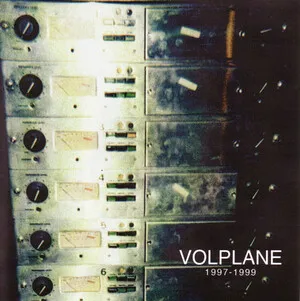
Volplane 1997-1999
Volplane
1993
Transient Random-Noise Bursts With Announcements
Stereolab
1999
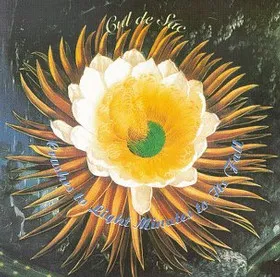
Crashes to Light, Minutes to Its Fall
Cul de Sac
2010
Bufo alvarius, amen 29:15
Bardo Pond
1999
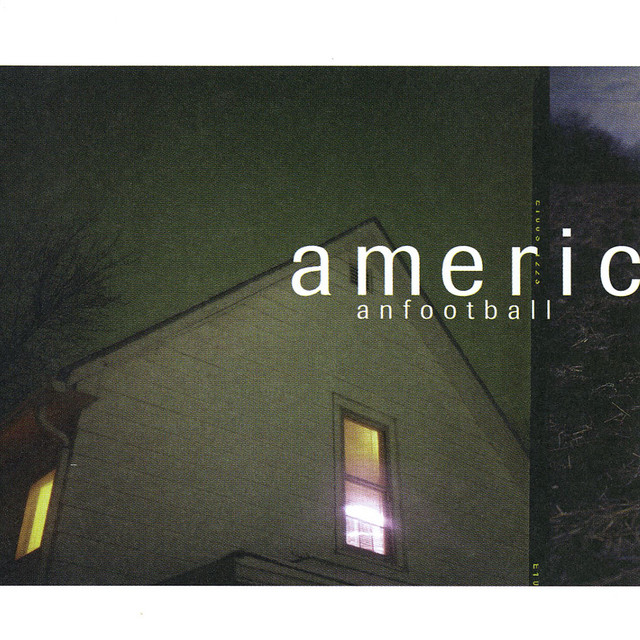
American Football
American Football
2013
Little Victories
Krobak
2005
the book about my idle plot on a vague anxiety
toe
1997
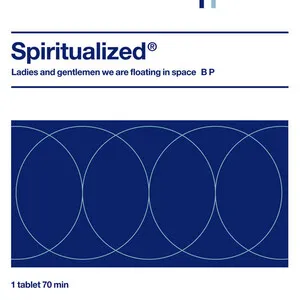
Ladies and Gentlemen We Are Floating in Space
Spiritualized®
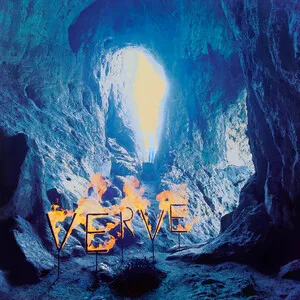
1993
A Storm in Heaven
Verve
Download our mobile app
Get the Melodigging app and start digging for new genres on the go
Download on the App Store
Get it on Google Play
© 2026 Melodigging
Give feedback
Legal
Melodding was created as a tribute to
Every Noise at Once
, which inspired us to help curious minds keep digging into music's ever-evolving genres.