Genres
Make Music
Artists
Albums
Challenges
Sign in
Sign in
Albums
By Alberta Hunter
Albums
By Alberta Hunter
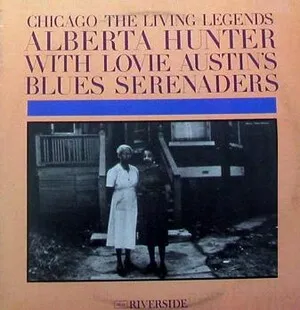
Chicago: The Living Legends
January 1, 1984
Listen
1
/5
Genres
Classic Blues
Classic blues (often called "classic female blues") is the early, urban, theater-bred form of the blues that flourished primarily in the 1920s. It is characterized by powerful lead vocalists—frequently women—fronting small jazz ensembles or a piano accompanist, with arrangements that translated the blues idiom to vaudeville stages and recording studios. Musically it typically uses the 12‑bar blues form, AAB lyric stanzas, swung or shuffle rhythms in 4/4, and prominent use of blue notes (flattened 3rd, 5th, and 7th). The style sits at the crossroads of Southern blues traditions, ragtime and early jazz, and the songcraft and professionalism of vaudeville and Tin Pan Alley. Classic blues differs from country/delta blues by its more formal arrangements, band instrumentation, and theatrical delivery. It launched the commercial “race records” era with Mamie Smith’s 1920 hit "Crazy Blues," and set the template for later jazz and R&B vocal performance.
Discover
Listen
Vaudeville Blues
Vaudeville blues is an early, urban stage form of the blues that rose to prominence on the American vaudeville and TOBA theater circuits in the 1910s and 1920s. Often called “classic female blues,” it centered on powerful female vocalists accompanied by small jazz-oriented ensembles. Musically it blends the 12‑bar blues and AAB lyric schemes with ragtime- and Tin Pan Alley–tinged harmonies, theatrical projection, and polished stagecraft. Arrangements were tailored for theaters and traveling revues, featuring dramatic delivery, call‑and‑response with horns or piano, humorous asides, and themes of love, resilience, independence, and urban life. Recordings by stars such as Mamie Smith, Ma Rainey, and Bessie Smith popularized the genre nationwide, bridging folk blues traditions and the emerging jazz and popular song industries.
Discover
Listen
Vaudeville
Vaudeville is a late‑19th to early‑20th‑century American variety stage tradition whose musical side blends comic songs, patter numbers, novelty tunes, sentimental ballads, ragtime interludes, and ensemble finales. It emphasized catchy melodies, memorable refrains, and clear diction so songs could land immediately with live audiences. Typical accompaniment was piano (often with a small pit ensemble of strings, reeds, and light percussion). Song forms favored verse–chorus and 32‑bar AABA structures, with simple diatonic harmony embellished by secondary dominants and ragtime‑style syncopation. Lyrics leaned into topical humor, character monologues, dialect turns (now recognized as historically problematic), and direct audience address. Unlike bawdier burlesque, vaudeville marketed itself as “family entertainment,” integrating music with comedy, dance, specialty acts, and novelty performance. Its stages and circuits incubated the American popular song, connected sheet‑music publishers with performers, and supplied early film and radio with talent and repertoire.
Discover
Listen
Similar albums
1978
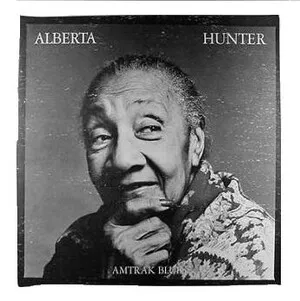
Amtrak Blues
Alberta Hunter
1962
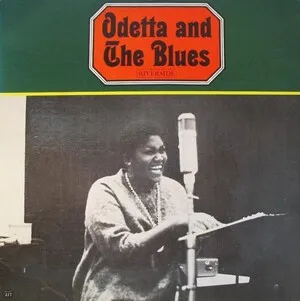
Odetta and the Blues
Odetta
1990
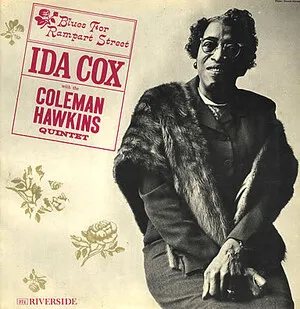
Blues for Rampart Street
Ida Cox & Coleman Hawkins
1992
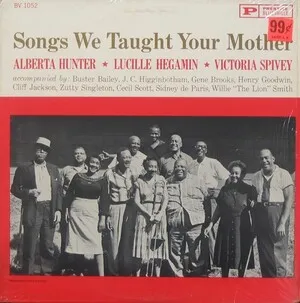
Songs We Taught Your Mother
Alberta Hunter / Lucille Hegamin / Victoria Spivey
2019
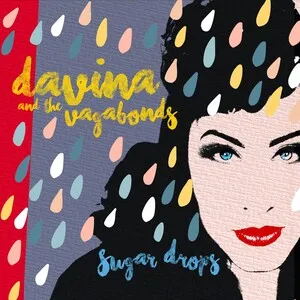
Sugar Drops
Davina and The Vagabonds
2015
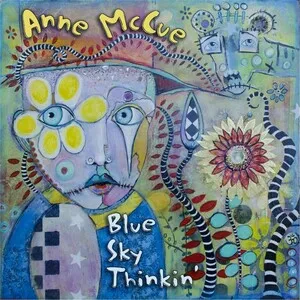
Blue Sky Thinkin'
Anne McCue
1999
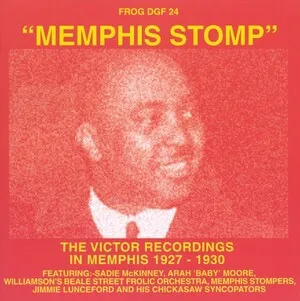
Memphis Stomp: The Victor Recordings 1927-1930
2021
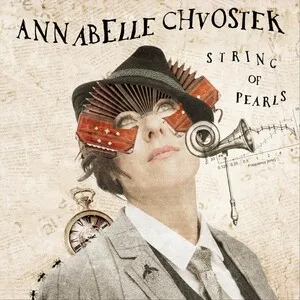
String of Pearls
Annabelle Chvostek
2013
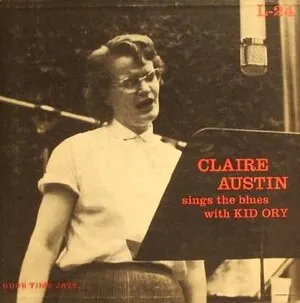
Sings the Blues with Kid Ory
Claire Austin
2011
Girlesque
Faye Richmonde
Download our mobile app
Get the Melodigging app and start digging for new genres on the go
Download on the App Store
Get it on Google Play
© 2026 Melodigging
Give feedback
Legal
Melodding was created as a tribute to
Every Noise at Once
, which inspired us to help curious minds keep digging into music's ever-evolving genres.