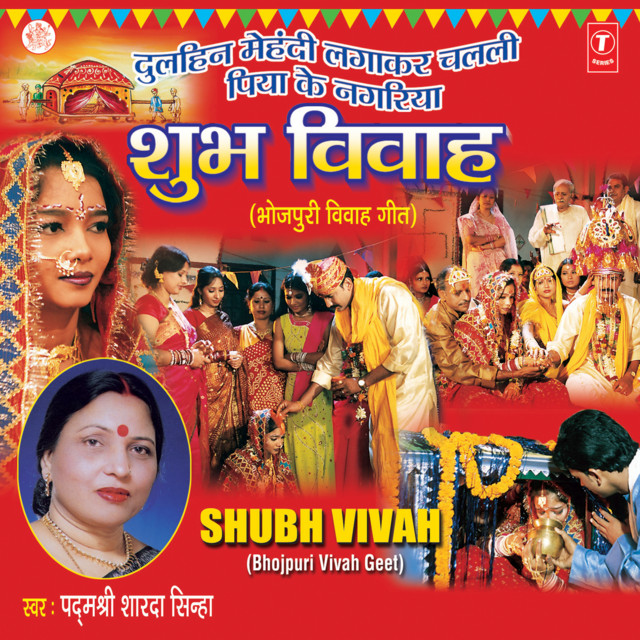
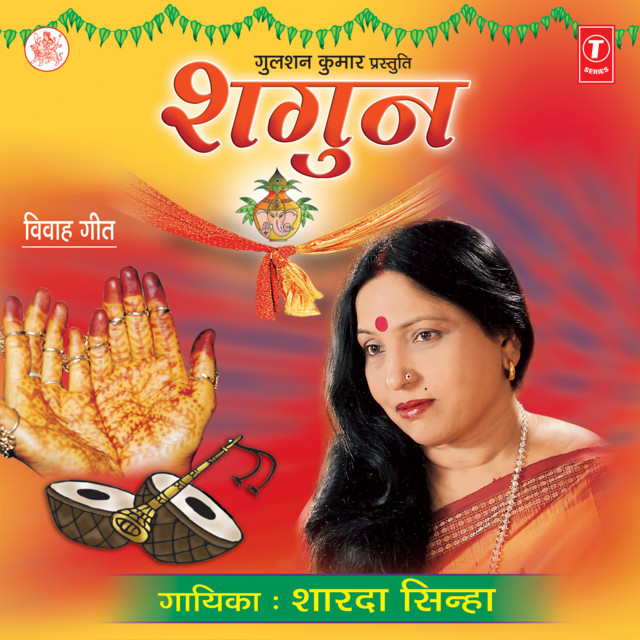
Maithili music is an ancient musical tradition from Mithila, a historical region that today spans northern Bihar and Jharkhand in India and the eastern Terai of Nepal. Sung in the Maithili language, it encompasses devotional, seasonal, and life‑cycle repertoires performed at births (Sohar), weddings (Vivah‑geet), harvests, and festivals such as Chhath and Sama‑Chakeva.
Melodically, it draws on raga sensibilities familiar to North Indian (Hindustani) practice—often in accessible folk contours—while retaining a distinctly regional diction, prosody, and ornamentation. Typical instruments include harmonium, bansuri (flute), dholak, tabla, manjira/kartal (hand cymbals), shehnai (especially for wedding processions), sarangi, and regional drums; modern ensembles also incorporate guitar, keyboards, and light percussion. The lyrics frequently portray everyday village life, seasonal cycles, and devotional love (notably Radha–Krishna), giving the music a relatable, melodic, and emotive character.
The tradition is closely associated with the medieval poet–saint Vidyapati (14th–15th centuries), whose Maithili padavali (lyrical songs) profoundly shaped later devotional and light‑classical repertoires. Across centuries, Maithili music has continued to evolve—remaining central to ritual and social life—while adapting to radio, cinema, and digital platforms.