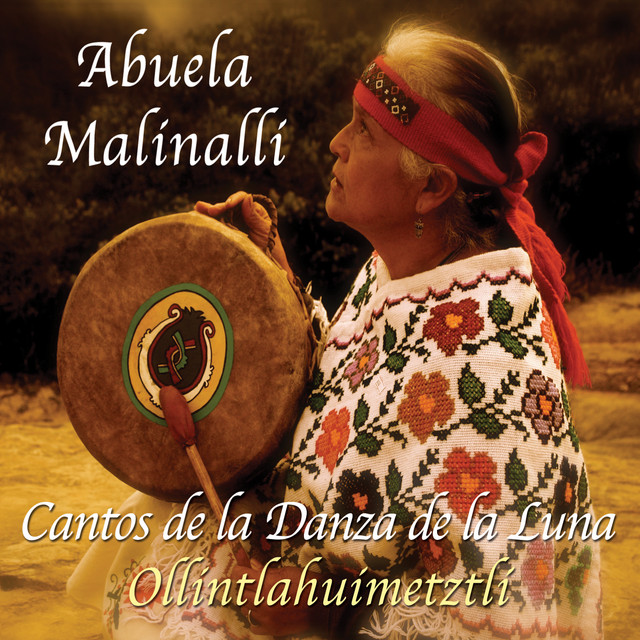
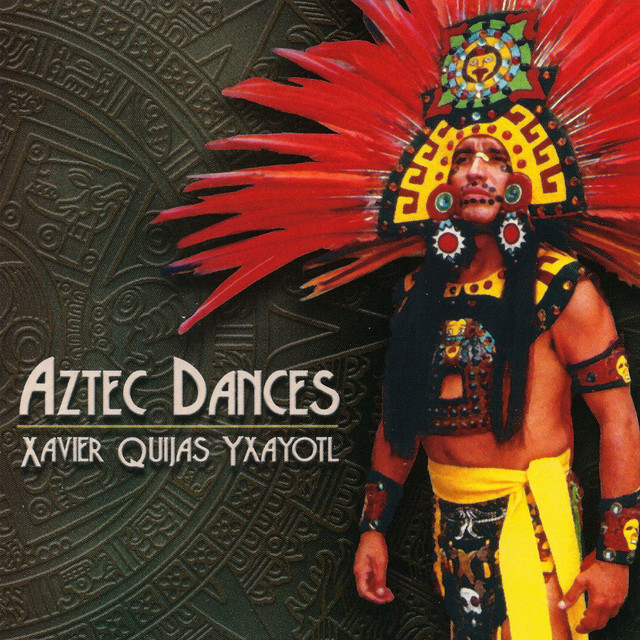
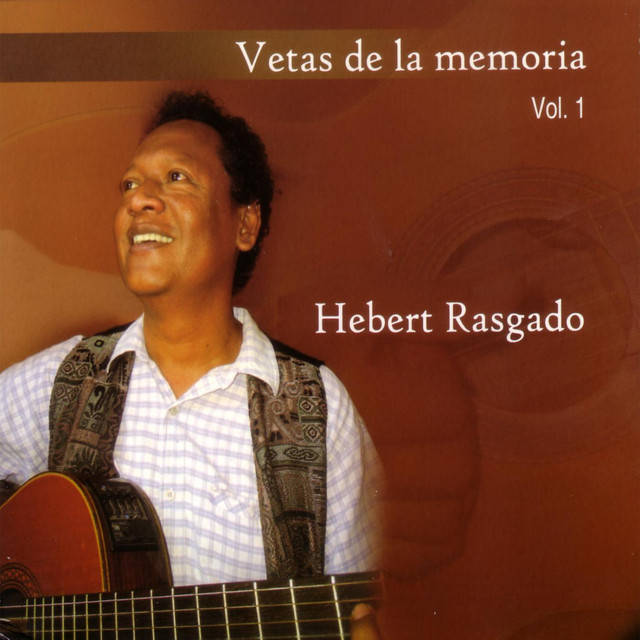
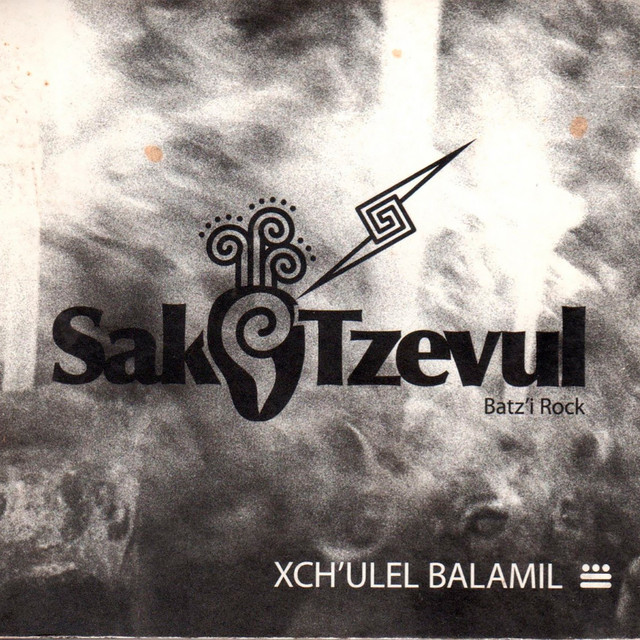
Música indígena mexicana refers to the living musical practices of Mexico’s Indigenous peoples (Nahuas, Purépecha, Wixárika, Maya, Yaqui/Yoeme, Seri/Comcaac, Mixe, Mixtec, Zapotec, and many others). It encompasses ceremonial repertoires, communal dances, narrative songs, and work or healing chants transmitted primarily through oral tradition.
Core timbres come from pre‑Hispanic aerophones (clay ocarinas and flutes, cane flutes, conch shells), idiophones (ayoyotes/ankle rattles, seed and gourd rattles, stone plates), and membranophones (huehuetl and teponaztli drums). In many regions these instruments coexist with post‑Contact strings (guitarra, violín, jarana, arpa) and marimbas, yielding a mosaic of local styles. Rhythms are tightly coupled to dance steps and ritual calendars (harvest, rain, healing, saints’ feasts), and melodies often favor narrow ambitus, call‑and‑response, heterophony, and language‑specific prosody.
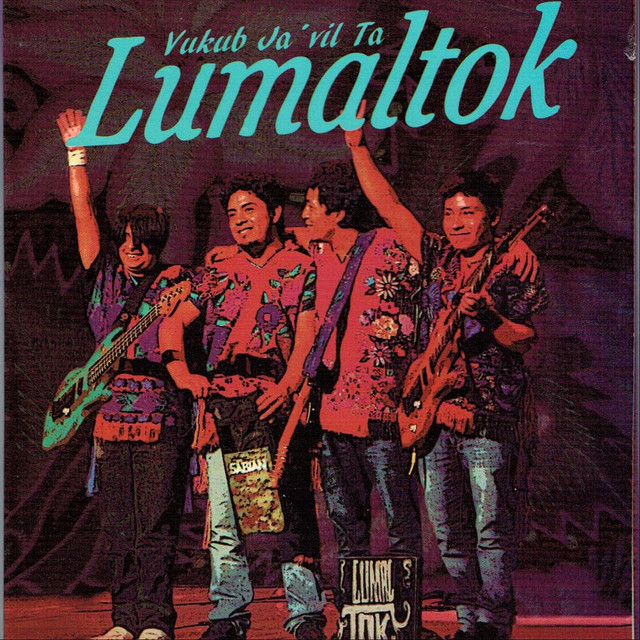
Today the field spans strictly traditional ensembles and innovative projects that set Indigenous languages and cosmologies to rock, folk, or electronic frameworks, sustaining cultural revitalization and linguistic continuity.