Genres
Make Music
Artists
Albums
Challenges
Sign in
Sign in
Albums
By Annie Gosfield
Albums
By Annie Gosfield
Burnt Ivory and Loose Wires
November 17, 1998
Listen
1
/5
Genres
Futurism
Futurism in music was an early 20th‑century avant‑garde movement that sought to break with Romantic and classical conventions by embracing the sounds, energy, and aesthetics of the modern industrial age. Italian Futurists advocated a radical expansion of the musical palette to include machine noise, urban soundscapes, and new instruments designed to produce timbres outside the orchestral norm. Manifestos by figures like Luigi Russolo and Francesco Balilla Pratella argued for music that celebrated speed, technology, and mechanization. Works featured noise orchestras (intonarumori), pounding polyrhythms, harsh dissonances, and quasi-theatrical performance tactics that foregrounded shock, provocation, and immersion.
Discover
Listen
Avant-Garde
Avant-garde music is an umbrella term for boundary-pushing practices that challenge prevailing norms of harmony, rhythm, timbre, form, and performance. It privileges experimentation, conceptual rigor, and a willingness to reframe what counts as music at all. Historically tied to early 20th‑century artistic modernism, avant-garde music introduced atonality, the emancipation of noise, and new forms of notation and process. It embraces indeterminacy, extended techniques, electronics, spatialization, and multimedia performance, treating sound as material to be sculpted, questioned, and reinvented.
Discover
Listen
Electronic
Electronic is a broad umbrella genre defined by the primary use of electronically generated or electronically processed sound. It encompasses music made with synthesizers, drum machines, samplers, computers, and studio/tape techniques, as well as electroacoustic manipulation of recorded or synthetic sources. The genre ranges from academic and experimental traditions to popular and dance-oriented forms. While its sonic palette is rooted in electricity and circuitry, its aesthetics span minimal and textural explorations, structured song forms, and beat-driven club permutations. Electronic emphasizes sound design, timbre, and studio-as-instrument practices as much as melody and harmony.
Discover
Listen
Classical
Classical music is the notated art-music tradition of Europe and its global descendants, characterized by durable forms, carefully codified harmony and counterpoint, and a literate score-based practice. The term “classical” can refer broadly to the entire Western art-music lineage from the Medieval era to today, not just the Classical period (c. 1750s–1820s). It privileges long-form structures (such as symphonies, sonatas, concertos, masses, and operas), functional or modal harmony, thematic development, and timbral nuance across ensembles ranging from solo instruments to full orchestras and choirs. Across centuries, the style evolved from chant and modal polyphony to tonal harmony, and later to post-tonal idioms, while maintaining a shared emphasis on written notation, performance practice, and craft.
Discover
Listen
Similar albums
2014
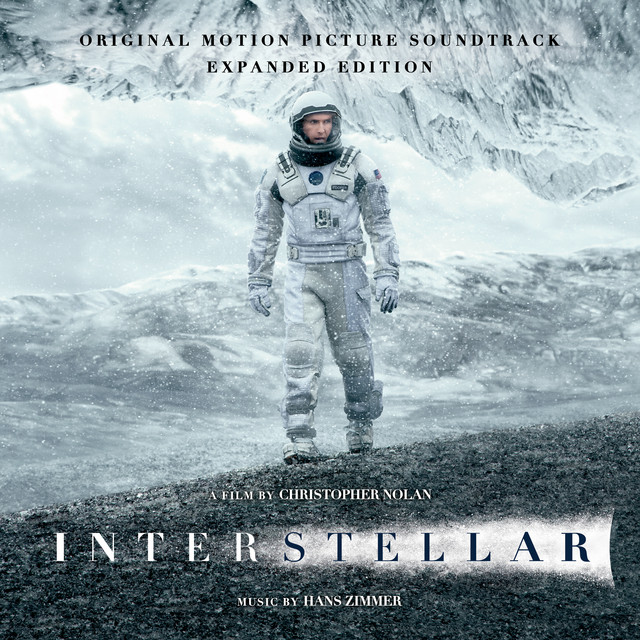
Interstellar (Original Motion Picture Soundtrack) [Expanded Edition]
Hans Zimmer
2015
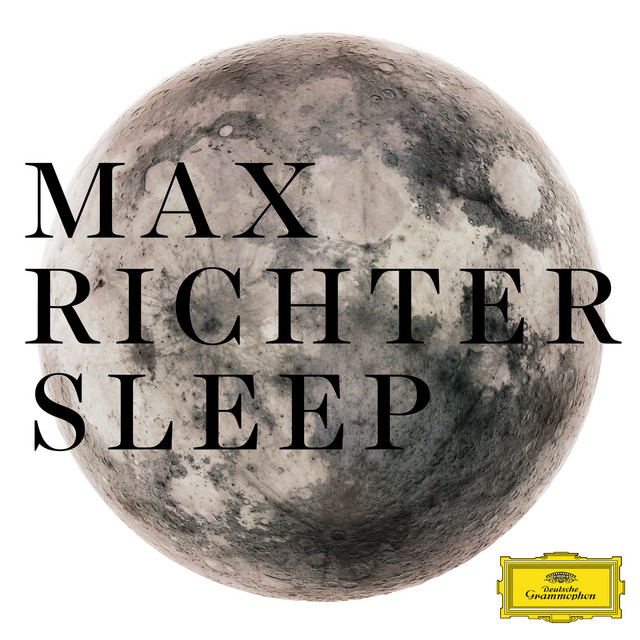
Sleep
Max Richter
2018
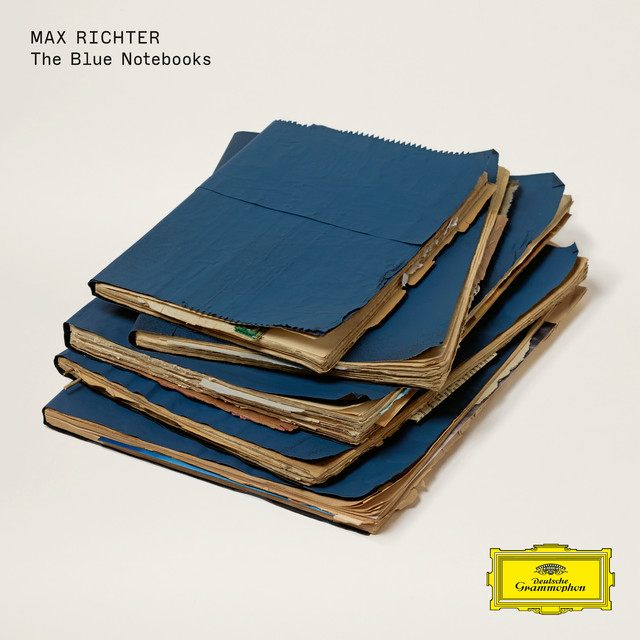
The Blue Notebooks (15 Years)
Max Richter
2023
Everywhere at the End of Time: Stage 1
The Caretaker
1986
Reality in Love ひとつぶの海
Toshifumi Hinata 日向敏文
2019
Artemis
Lindsey Stirling
2018
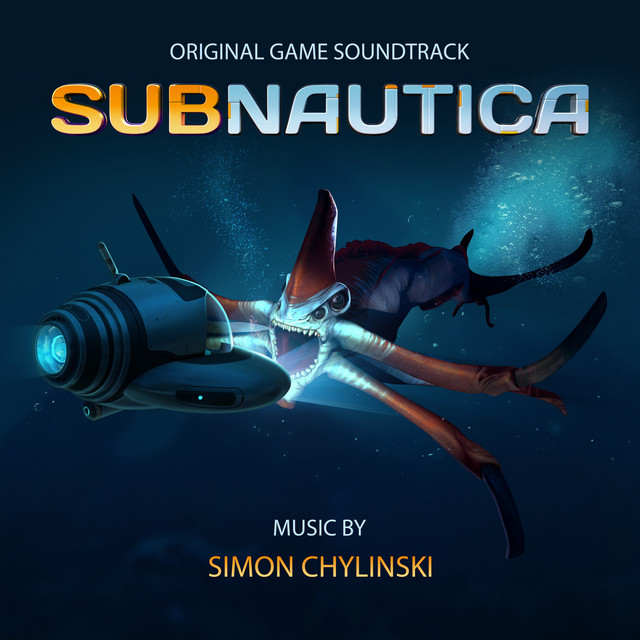
Subnautica (Original Game Soundtrack)
Simon Chylinski
2020
Tenet (Original Motion Picture Soundtrack) [Deluxe Edition]
Ludwig Goransson
2006
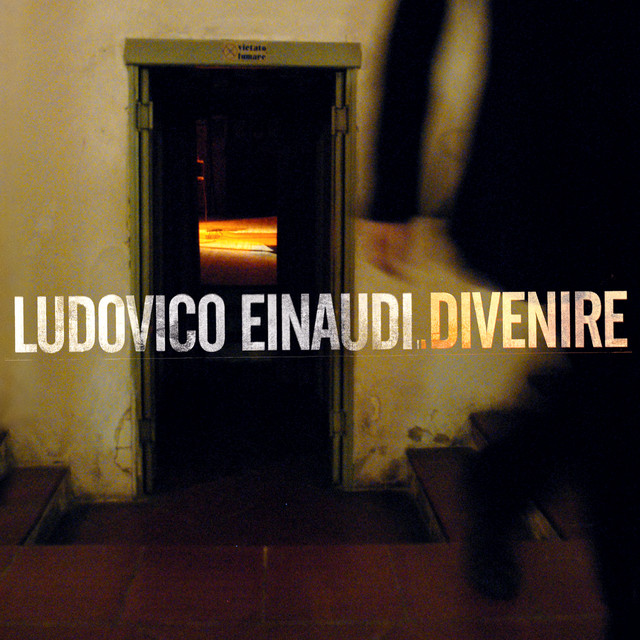
Divenire
Ludovico Einaudi
2014
Illumination: Peaceful Gregorian Chants
Dan Gibson & Daniel May
Download our mobile app
Get the Melodigging app and start digging for new genres on the go
Download on the App Store
Get it on Google Play
© 2026 Melodigging
Give feedback
Legal
Melodding was created as a tribute to
Every Noise at Once
, which inspired us to help curious minds keep digging into music's ever-evolving genres.