Genres
Make Music
Artists
Albums
Challenges
Sign in
Sign in
Albums
By Win Oo
Albums
By Win Oo
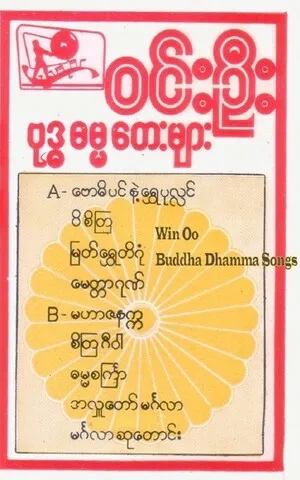
Buddha Dhamma Songs ဗုဒ္ဓဓမ္မတေးများ
July 11, 2014
Listen
1
/5
Genres
Bamar Music
Bamar music refers to the traditional musical practices of the Bamar (Burman) majority of Myanmar, encompassing courtly classical repertoires (Mahāgīta), vigorous hsaing waing percussion ensembles, refined solo traditions for the saung gauk (arched harp) and pattala (bamboo xylophone), and music for dance-drama, marionette theatre (yoke thé), and popular festivals (pwe). It is characterized by cyclic, colotomic time structures articulated by small time-keeping instruments (si and wa), an ornate, heterophonic texture in which multiple instruments elaborate a shared melody, and modal-melodic systems that draw on heptatonic/pentatonic pitch collections particular to Myanmar. The timbral core is the hne (double-reed oboe), pat waing (drum circle), bronze gongs (kyi waing, maung hsaing), and idiophones, with courtly refinement supplied by the harp and xylophone. Across history, Bamar music absorbed influences from neighboring Mon, Thai, and Khmer courts and from Buddhist liturgical and Indic traditions, yet retained distinct aesthetics—highly ornamented melody, elastic vocal delivery, and a powerful percussive drive—closely tied to ritual, theatre, and social life.
Discover
Listen
Buddhist Music
Buddhist music is the broad family of liturgical chant and ritual sound practices associated with Buddhist traditions across Asia. It centers on the vocal recitation of sutras, mantras, and dhāraṇīs, often performed a cappella by monastics or lay chanters, and is designed to aid concentration, devotion, and the transmission of teachings. While primarily vocal and modal, instrumentation appears in many regional practices: Tibetan rituals feature low multiphonic chant with drums, large cymbals, horns, and shawms; Chinese fanbai and Korean beompae retain courtly timbres; Japanese shōmyō emphasizes refined, unison vocal lines; and Theravāda communities in Southeast Asia maintain austere Pāli chant with minimal or no accompaniment. Common traits include restricted melodic ambitus, formulaic melodic contours, free or flexible rhythm, and text-forward delivery in sacred languages such as Pāli, Sanskrit, Tibetan, Chinese, Korean, and Japanese.
Discover
Listen
Similar albums
2018
Selwa
Ani Chöying Drolma & Steve Tibbetts
1997
Chö
Ani Chöying Drolma & Steve Tibbetts
2008
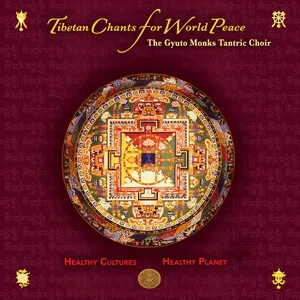
Tibetan Chants for World Peace
The Gyuto Monks Tantric Choir
2002
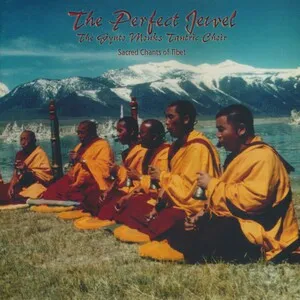
The Perfect Jewel: Sacred Chants of Tibet
The Gyuto Monks Tantric Choir
1999
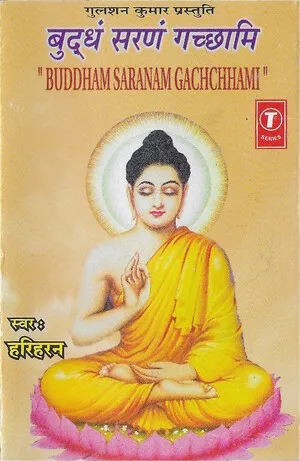
Buddham saranam gachchhami बुद्धं सरणं गच्छामि
Hariharan
1989
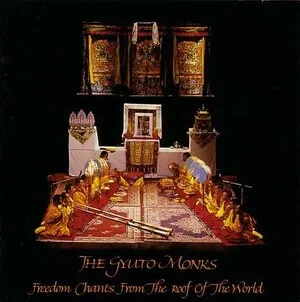
Freedom Chants From the Roof of the World
The Gyuto Monks of Tibet
1988
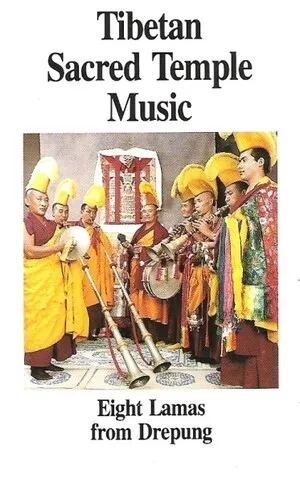
Tibetan Sacred Temple Music
Eight Lamas From Drepung
2015
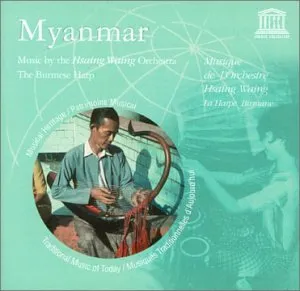
Myanmar: Music By The Hsaing Waing Orchestra/The Burmese Harp
1993
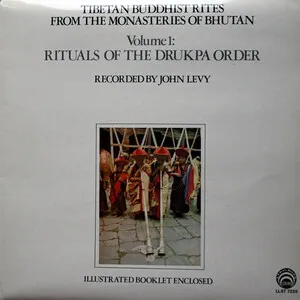
Tibetan Buddhist Rites From the Monasteries of Bhutan: Volume 1 - Rituals of the Drukpa Order
2010
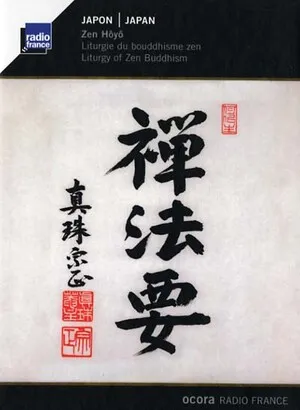
Japon : Zen hôyô, liturgie du bouddhisme zen
Moines du temple Daitokuji de Kyôto
Download our mobile app
Get the Melodigging app and start digging for new genres on the go
Download on the App Store
Get it on Google Play
© 2026 Melodigging
Give feedback
Legal
Melodding was created as a tribute to
Every Noise at Once
, which inspired us to help curious minds keep digging into music's ever-evolving genres.