Genres
Make Music
Artists
Albums
Challenges
Sign in
Sign in
Albums
By Estradasphere
Albums
By Estradasphere
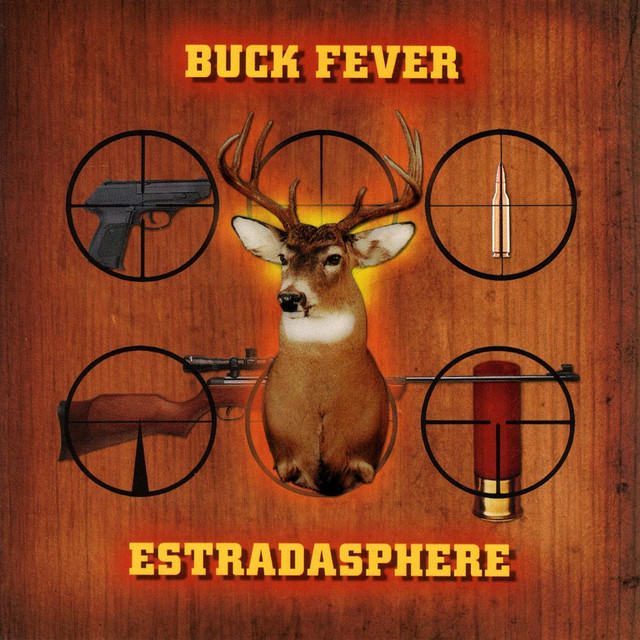
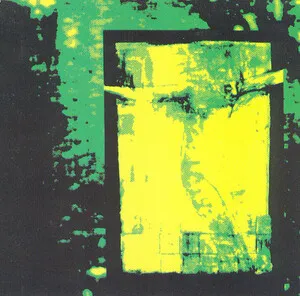
Buck Fever
2001
Listen
2
/5
Genres
Jazz Metal
Jazz metal is a hybrid of jazz’s harmonic language and improvisational ethos with metal’s amplified intensity and rhythmic power. It typically blends distorted guitars and aggressive drumming with extended chords, modal harmony, walking or fretless bass lines, and passages of real-time improvisation. Many bands adopt progressive song forms, odd meters, and polyrhythms, toggling between heavy riffs and spacious, clean-toned jazz interludes. The result is a technically demanding, cerebral style that can range from atmospheric and fusion-like to extreme and abrasive.
Discover
Listen
Death Metal
Death metal is an extreme subgenre of heavy metal defined by heavily distorted, low‑tuned guitars, rapid and complex riffing, blast beat drumming, and harsh guttural vocals. Its harmonic language favors chromaticism, dissonance, and tremolo-picked lines that create an ominous, abrasive atmosphere. Lyrically, death metal often explores dark or transgressive themes—mortality, mythology, anti-religion, psychological horror, and the macabre—sometimes with philosophical or social commentary. Production ranges from raw and cavernous to hyper-precise and technical, reflecting the genre’s many regional scenes and substyles. From the mid‑1980s Florida scene (Tampa) and parallel developments in the US, UK, and Sweden, death metal evolved into numerous branches including brutal death metal, technical death metal, melodic death metal, and death‑doom, each emphasizing different aspects of speed, complexity, melody, or heaviness.
Discover
Listen
Rock
Rock is a broad family of popular music centered on amplified instruments, a strong backbeat, and song forms that foreground riffs, choruses, and anthemic hooks. Emerging from mid‑20th‑century American styles like rhythm & blues, country, and gospel-inflected rock and roll, rock quickly expanded in scope—absorbing folk, blues, and psychedelic ideas—while shaping global youth culture. Core sonic markers include electric guitar (often overdriven), electric bass, drum kit emphasizing beats 2 and 4, and emotive lead vocals. Rock songs commonly use verse–chorus structures, blues-derived harmony, and memorable melodic motifs, ranging from intimate ballads to high‑energy, stadium‑sized performances.
Discover
Listen
Electronic
Electronic is a broad umbrella genre defined by the primary use of electronically generated or electronically processed sound. It encompasses music made with synthesizers, drum machines, samplers, computers, and studio/tape techniques, as well as electroacoustic manipulation of recorded or synthetic sources. The genre ranges from academic and experimental traditions to popular and dance-oriented forms. While its sonic palette is rooted in electricity and circuitry, its aesthetics span minimal and textural explorations, structured song forms, and beat-driven club permutations. Electronic emphasizes sound design, timbre, and studio-as-instrument practices as much as melody and harmony.
Discover
Listen
Similar albums
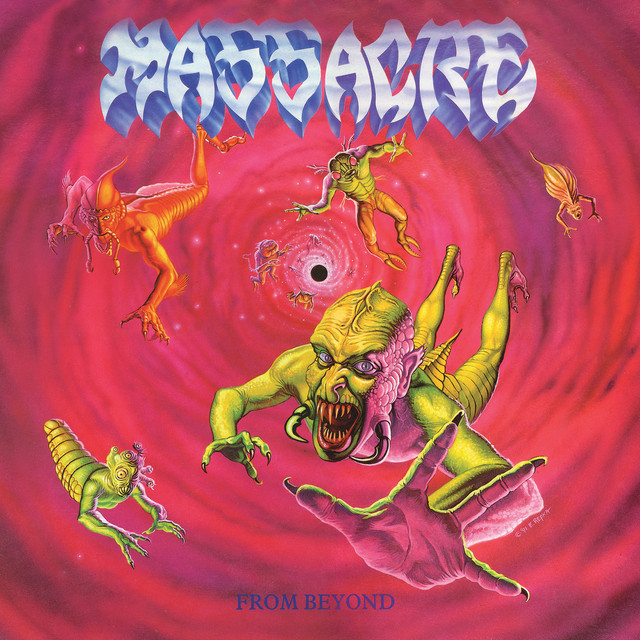
1991
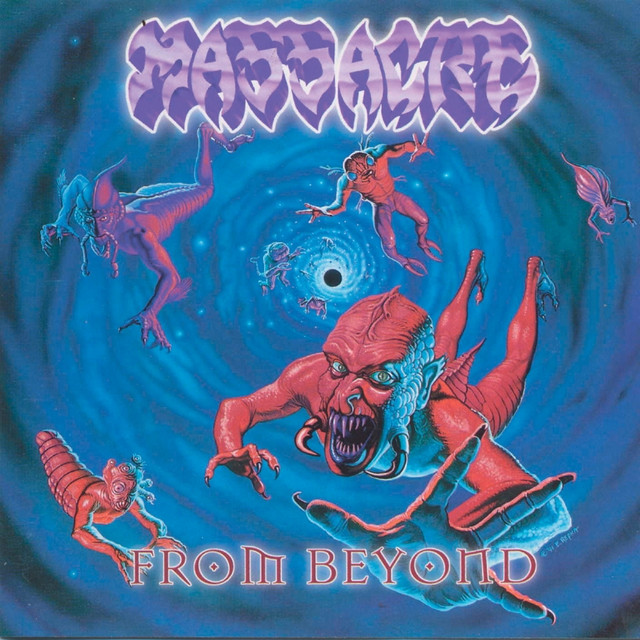
From Beyond
Massacre
1991
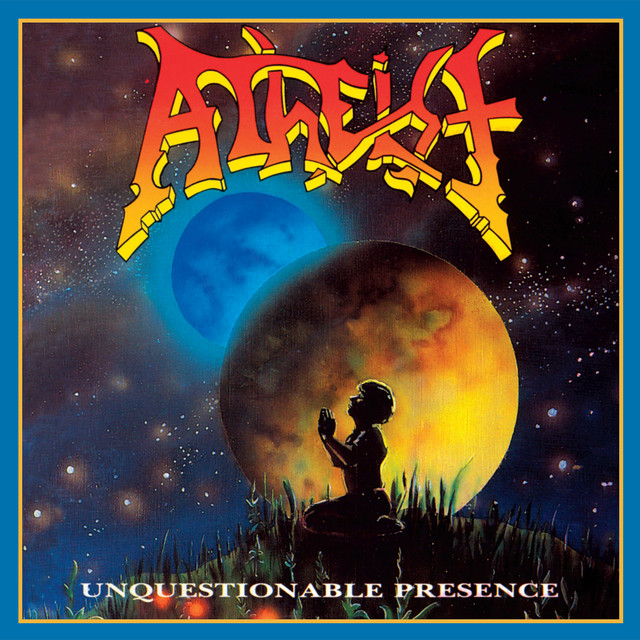
Unquestionable Presence
Atheist
2007
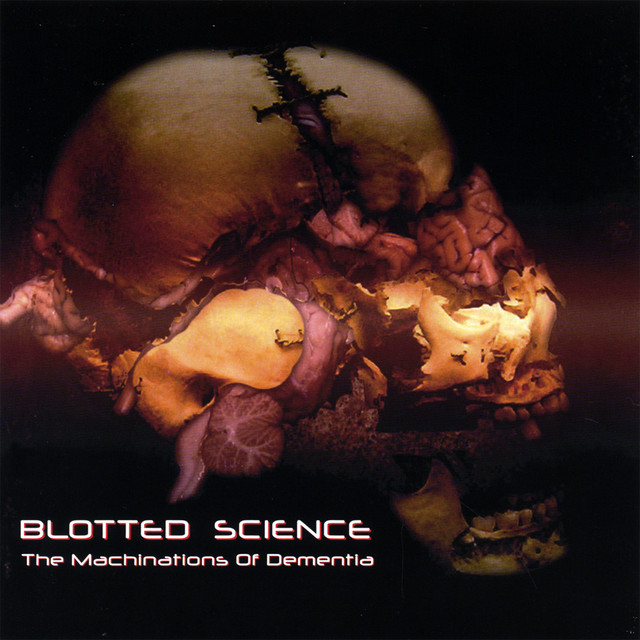
The Machinations Of Dementia
Blotted Science
1991
From Beyond (Full Dynamic Range Edition)
Massacre
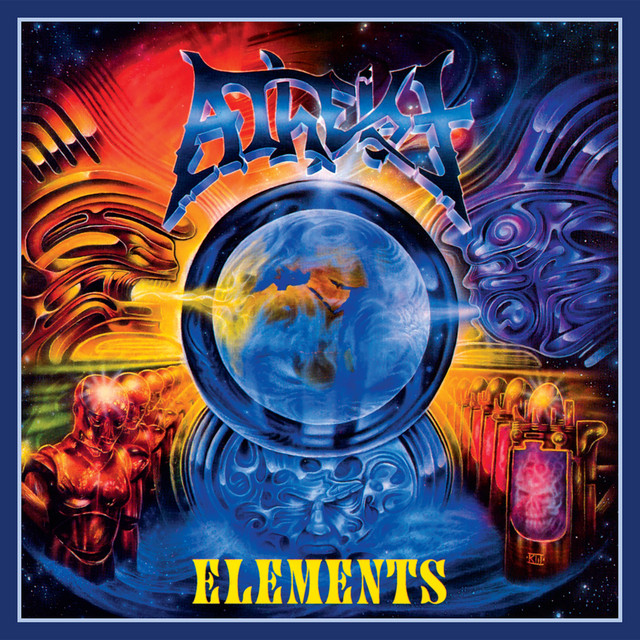
1993
Elements
Atheist
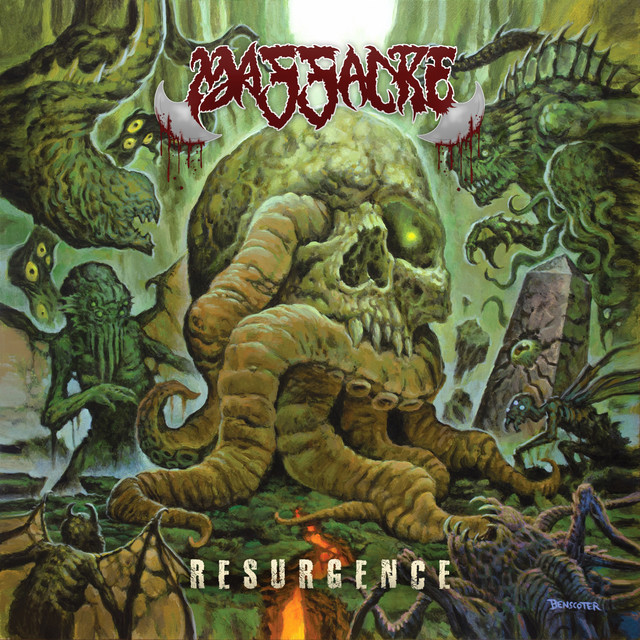
2021
Resurgence
Massacre
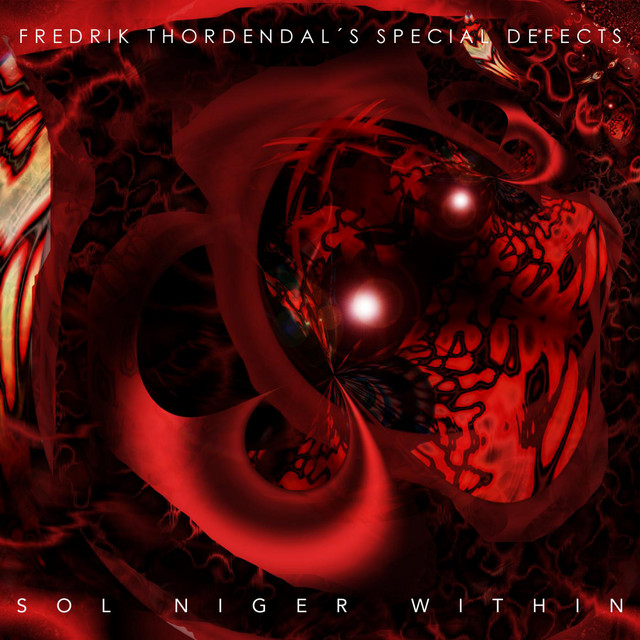
1997
Sol Niger Within
Fredrik Thordendal's Special Defects
1996
Khaooohs & Kon-Fus-Ion
Pan.Thy.Monium
2020
Hapeleptic Overtrove
Behold... The Arctopus
2015
Blurryface
Twenty One Pilots
Download our mobile app
Get the Melodigging app and start digging for new genres on the go
Download on the App Store
Get it on Google Play
© 2026 Melodigging
Give feedback
Legal
Melodding was created as a tribute to
Every Noise at Once
, which inspired us to help curious minds keep digging into music's ever-evolving genres.